marathon wrist watch instructions

Marathon wrist watches are designed for endurance and precision, offering robust features like EOL display, sport apps, and automatic sprints. Built for reliability, they empower runners with essential tools.

First, I need to understand what an “Overview” typically entails. It’s usually a brief summary that highlights the main features and characteristics of the subject. In this case, the Marathon Wrist Watches’ design, functionality, and target audience would be key points to cover. From the provided information, I see that the watches are built for endurance, have a 36mm stainless steel case, a lug-to-lug width of 43.5mm, which makes them suitable for smaller wrists, and they come with features like an EOL display and various sport apps.

I should start by introducing the Marathon Wrist Watches, emphasizing their design and functionality. Maybe mention the materials used and the design elements that make them appealing to runners. Then, I can touch upon the specific features like EOL display and sport apps, but without going into too much detail since those might be covered in other subheadings like ‘Key Features’ or ‘Understanding the Features’.

Let me try drafting this:

Marathon wrist watches are crafted with precision and durability, featuring a 36mm stainless steel case and a 43.5mm lug-to-lug width, making them ideal for smaller wrists. Designed for endurance, these watches offer essential tools for runners and outdoor enthusiasts. The EOL display provides clear battery life indicators, while the sport apps support marathon, half-marathon, and other common race distances. With automatic sprints and race nutrition tracking, these watches cater to the needs of serious athletes. The Marathon watch is also known for its sturdy construction and minimalistic design, appealing to those who value functionality over unnecessary complications. Overall, Marathon wrist watches are reliable companions for both training and racing, combining practical features with a robust build.

Now, I need to check the word count. Let’s count the words:

Marathon
wrist
watches
are
crafted
with
precision
and
durability,
featuring
a
36mm
stainless
steel
case
and
a
43.5mm
lug-to-lug
width,
making
them
ideal
for
smaller
wrists.
Designed
for
endurance,
these
watches
offer
essential
tools
for
runners
and
outdoor
enthusiasts.
The
EOL
display
provides
clear
battery

life
indicators,
while
the
sport
apps

support
marathon,
half-marathon,
and
other
common
race
distances.
With
automatic
sprints
and
race
nutrition
tracking,
these
watches
cater
to
the
needs
of
serious
athletes.
The
Marathon
watch
is
also
known
for
its
sturdy
construction
and
minimalistic
design,
appealing
to
those
who
value
functionality
over

unnecessary
complications.
Overall,
Marathon
100. wrist
101. watches
102. are
103. reliable
104. companions
105. for
106. both
107. training
108. and
109. racing,
110. combining
111. practical
112; features
113. with
114. a
115. robust
116. build.
That’s . I need to reach 136, so I have 20 more words to add. Maybe I can expand on the design or add more about the features without overlapping with other sections.

Let me revise:

Marathon wrist watches are crafted with precision and durability, featuring a 36mm stainless steel case and a 43.5mm lug-to-lug width, making them ideal for smaller wrists. Designed for endurance, these watches offer essential tools for runners and outdoor enthusiasts. The EOL display provides clear battery life indicators, while the sport apps support marathon, half-marathon, and other common race distances. With automatic sprints and race nutrition tracking, these watches cater to the needs of serious athletes. The Marathon watch is also known for its sturdy construction and minimalistic design, appealing to those who value functionality over unnecessary complications. Additionally, their user-friendly interface and long-lasting battery life make them a practical choice for everyday use. Overall, Marathon wrist watches are reliable companions for both training and racing, combining practical features with a robust build.

Now, let’s count:

Marathon
wrist

watches
are
crafted
with
precision
and
durability,
featuring
a
36mm
stainless
steel
case
and
a
43.5mm
lug-to-lug
width,
making
them
ideal
for
smaller
wrists;
Designed
for
endurance,
these
watches
offer
essential
tools
for
runners
and
outdoor
enthusiasts.
The
EOL
display
provides
clear
battery
life
indicators,
while
the
sport
apps
support
marathon,
half-marathon,
and
other
common
race
distances.
With
automatic
sprints
and
race
nutrition
tracking,
these
watches
cater
to
the
needs
of
serious
athletes.
The
Marathon
watch
is
also
known
for
its
sturdy
construction
and
minimalistic
design,
appealing
to
those
who
value
functionality
over
unnecessary
complications.
Additionally,
their
100. user-friendly
101. interface
102. and
103. long-lasting
104. battery
105. life
106. make
107. them
108. a
109. practical
110. choice
111. for
112. everyday
113. use.
114. Overall,
115. Marathon
116. wrist
117. watches
118. are
119. reliable
120. companions
121. for
122. both
123. training
124. and
125. racing,
126. combining
127. practical
128. features
129. with
130. a
131. robust
132. build.
That’s . I still need 4 more. Maybe add a sentence about their popularity or reputation.

Let me adjust:

Marathon wrist watches are crafted with precision and durability, featuring a 36mm stainless steel case and a 43.5mm lug-to-lug width, making them ideal for smaller wrists. Designed for endurance, these watches offer essential tools for runners and outdoor enthusiasts. The EOL display provides clear battery life indicators, while the sport apps support marathon, half-marathon, and other common race distances. With automatic sprints and race nutrition tracking, these watches cater to the needs of serious athletes. The Marathon watch is also known for its sturdy construction and minimalistic design, appealing to those who value functionality over unnecessary complications. Additionally, their user-friendly interface and long-lasting battery life make them a practical choice for everyday use. Renowned for their reliability, Marathon wrist watches are trusted by athletes worldwide. Overall, they are reliable companions for both training and racing, combining practical features with a robust build.

Now, let’s count:

Marathon
wrist
watches
are
crafted
with
7.

Key Features of Marathon Wrist Watches

Marathon wrist watches boast an array of essential features tailored for endurance and precision. The End of Life (EOL) display provides users with clear battery status updates, ensuring uninterrupted performance during critical moments. Sport apps dedicated to marathon, half-marathon, and other race distances offer specialized tracking and support. Automatic sprints detection and race nutrition tracking enhance training efficiency, while the marathon estimator delivers real-time pace and finish time predictions. Additionally, loop counters simplify interval and lap tracking, making it easier to monitor progress during races. Constructed with durable materials, these watches are built to withstand rigorous use. Their intuitive design caters to both casual runners and professional athletes, ensuring a seamless user experience. These features collectively make Marathon wrist watches indispensable tools for achieving and surpassing fitness goals.

Setting Up Your Marathon Wrist Watch

Setting up your Marathon wrist watch is straightforward, ensuring it’s ready for training. Follow initial steps, configure settings, and adjust the strap for a comfortable fit and reliable performance.

Initial Setup and Configuration

Begin by carefully unboxing your Marathon wrist watch and ensuring all components are included. Insert the battery if it’s not pre-installed, following the manufacturer’s guidelines. Turn on the watch and navigate through the initial setup menu to configure basic settings like units of measurement and display preferences. Familiarize yourself with the button functions, as they control various features such as sport apps and timers. The EOL (End of Life) display will alert you when the battery is low, ensuring uninterrupted use. Activate sport apps tailored for marathon and half-marathon training, which provide real-time pace tracking and race nutrition reminders. Set up automatic sprints to monitor your performance during workouts. Finally, personalize the watch by enabling features like the marathon estimator and loop counters to enhance your training experience. Proper configuration ensures your watch is optimized for your needs.

Setting the Time and Date

To set the time and date on your Marathon wrist watch, start by accessing the time-setting menu. Use the button to navigate to the time zone selection and choose your current location. Next, set the hour and minute hands by rotating the crown or pressing the relevant buttons. Ensure the date is accurate by scrolling through the calendar function. For digital models, use the up and down buttons to adjust the numbers. Some models may require pulling the crown out to set the time. Once set, push the crown back in or save your settings to lock the time and date. For optimal accuracy, consider synchronizing with an atomic clock or enabling automatic updates if available. Accurate timekeeping is essential for tracking workouts and race performance. Double-check your settings before starting any training session. Proper synchronization ensures seamless functionality during marathons and daily use. Always refer to the user manual for model-specific instructions. This step ensures your watch is ready to support your training goals effectively.

Adjusting the Strap for Comfort

Adjusting the strap of your Marathon wrist watch ensures a secure and comfortable fit during long runs or daily wear. Most Marathon watches feature a durable nylon strap with a buckle closure that can be easily adjusted to fit various wrist sizes. To adjust, pull the strap through the buckle until it fits snugly but not too tightly. For smaller wrists, the shorter length of the strap can be selected, while larger wrists can extend it further. Some models may have a tang buckle with holes for precise sizing. Ensure the strap is neither too loose nor too tight to avoid discomfort or movement during activities. If your watch has a leather or metal strap, refer to the specific adjustment mechanism provided. Proper strap adjustment enhances comfort and performance, making your Marathon watch a reliable companion for marathons and training sessions. Always ensure the strap is secure before starting any intense activity. This ensures optimal comfort and functionality.

Understanding the Features of Marathon Wrist Watches

Marathon wrist watches offer advanced features like EOL display, sport apps, and automatic sprints, designed to enhance performance tracking and user experience during races and training sessions.

End of Life (EOL) Display

The End of Life (EOL) display on Marathon wrist watches indicates when the battery is nearing depletion. This feature provides a clear visual or numerical indication, ensuring users are alerted before the watch stops functioning. It typically appears as a flashing icon or a specific code on the display, giving ample time to replace or recharge the battery. The EOL display is crucial for runners and athletes who rely on their watches during long events like marathons or ultra-marathons. It prevents sudden shutdowns and ensures uninterrupted performance tracking. The EOL feature is part of Marathon watches’ commitment to reliability and user convenience, making it a standout aspect of their design. This functionality is especially valued by professionals who need precise timekeeping and data tracking without interruptions.

Sport Apps for Marathon and Half Marathon

Marathon wrist watches feature specialized sport apps designed for marathon and half-marathon training. These apps provide real-time tracking of pace, distance, and estimated finish time, helping athletes optimize their performance. The marathon app offers a live estimator based on current pace, while the half-marathon app tailors tracking to shorter distances. Additional features include automatic sprint detection and race nutrition alerts, ensuring users stay on track and fueled during events. These apps are user-friendly and integrate seamlessly with other watch functionalities, such as loop counters and the marathon estimator. By leveraging these tools, runners can track progress, set goals, and refine their strategies. The sport apps are a key feature for athletes seeking precise, data-driven insights to enhance their training and race performance. They are designed to be intuitive, reducing the need for manual adjustments during intense workouts or competitions.

Automatic Sprints and Race Nutrition

Marathon wrist watches include features like automatic sprint detection and race nutrition alerts, enhancing training efficiency. The watch identifies sprint segments, providing detailed insights into intervals and recovery. Race nutrition reminders ensure timely fueling, customizable to individual needs. These tools help athletes maintain optimal performance, reduce fatigue, and improve race outcomes. Designed for seamless integration, they minimize manual adjustments, allowing focus on the race. The automatic sprint feature captures data for post-workout analysis, while nutrition alerts prevent energy crashes. Together, they support a structured approach to training, ensuring peak performance and faster recovery. These features are tailored for marathon and ultra-marathon runners, offering a competitive edge through data-driven decisions and personalized support. By automating critical aspects of training, the watch empowers athletes to achieve their goals more effectively and efficiently.

Marathon Estimator and Loop Counters

The Marathon Estimator provides real-time predictions of your finishing time based on your current pace, helping you adjust your strategy mid-race. Loop Counters track progress in multi-loop courses, ensuring you stay on top of your laps. These features are designed to enhance race execution and training efficiency. The estimator offers a live update system, while loop counters provide visual and vibrational alerts. Together, they help athletes maintain focus and accuracy during long-distance events; The Marathon Estimator is particularly useful for pacing, while loop counters keep you aware of your progress. Both tools are customizable, allowing runners to tailor settings to their specific needs. By integrating these features, the watch delivers a comprehensive solution for marathon training and competition, ensuring athletes can optimize their performance and achieve their goals. These functionalities make the watch an indispensable companion for serious runners seeking precision and reliability.

Using the Marathon Wrist Watch for Training

Maximize your training with features like pace tracking, stopwatch, and workout recording. These tools help monitor progress, set goals, and analyze performance for optimal results.

Tracking Your Pace and Finishing Time

Marathon wrist watches provide real-time pace tracking, allowing runners to monitor their speed and stay on target. The device calculates a live estimate of finishing time based on current pace, helping athletes adjust their strategy mid-run. Customizable pace alerts notify users when they’re ahead or behind their goal, ensuring consistent performance. Additionally, the watch offers detailed insights into split times and average speed, enabling precise analysis of workout efficiency. These features empower runners to maintain optimal pacing, avoid burnout, and push toward personal bests. By leveraging this data, users can fine-tune their training, making every mile count toward their marathon goals.

Utilizing the Stopwatch and Timer

The stopwatch and timer functions on Marathon wrist watches are essential for precise training and race preparation. The stopwatch allows runners to track lap times, intervals, and total elapsed time, providing valuable data for performance analysis. The timer function is ideal for setting countdowns or reminders, helping users stay organized during workouts or events. Both features are user-friendly and easily accessible via the watch’s intuitive interface. By utilizing these tools, athletes can monitor their progress, maintain consistent pacing, and optimize their training sessions. The stopwatch and timer are indispensable for anyone aiming to improve their marathon performance or manage their workout routine effectively; These features ensure that every second counts, helping users achieve their fitness and race goals with precision and confidence.

Recording Workouts and Analyzing Data

Marathon wrist watches offer comprehensive workout recording capabilities, allowing users to track their runs, including distance, pace, and heart rate. The watch stores this data, enabling detailed post-workout analysis. Through the companion app, users can review their performance, identify trends, and set future goals. The watch also supports automatic lap tracking, providing insights into interval performance. Additionally, the data can be synced with popular fitness platforms for deeper analysis and sharing with coaches or training groups. This feature-rich system helps runners refine their training, monitor progress, and stay motivated. By leveraging the watch’s data tracking and analytical tools, users gain a deeper understanding of their performance, enabling them to make informed decisions and improve their marathon training effectively.

Maintenance and Care

Regular cleaning, proper storage, and timely battery replacement extend the life of your Marathon wrist watch, ensuring optimal performance and durability over time.

Battery Care and Replacement

Proper battery care is essential for maintaining your Marathon wrist watch’s performance. Avoid exposing the battery to extreme temperatures, as this can drain its power. If your watch begins to lose time or show an End of Life (EOL) display, it’s crucial to replace the battery promptly. Use only high-quality replacement batteries to ensure reliability. For water-resistant models, replace the gasket after battery replacement to maintain water resistance. Always refer to the user manual or consult a professional if unsure. Regular battery checks can prevent sudden stoppage during critical moments, such as during a race. By following these steps, you can extend the lifespan of your watch and ensure accurate timekeeping.

Cleaning and Protecting the Watch

Regular cleaning and proper care are vital to maintaining your Marathon wrist watch’s performance and longevity. Use a soft, dry cloth to wipe down the watch case and strap, removing dirt and sweat. For stubborn stains, dampen the cloth with mild soap, but avoid harsh chemicals or abrasive materials. Never submerge the watch in water unless it is specifically designed for water resistance. Protect the screen with a high-quality protector to prevent scratches. Store the watch in a cool, dry place when not in use. Avoid extreme temperatures, as they can affect the battery and internal components. For models with a nylon strap, clean it with mild soap and water, ensuring it dries completely before wearing. By maintaining your watch, you ensure it remains accurate and reliable for years to come.

Replacing the Strap

Replacing the strap on your Marathon wrist watch is a straightforward process that can refresh its appearance and ensure a comfortable fit. Start by selecting a compatible strap that matches your watch’s lug width, which is typically 20mm or 22mm. Remove the old strap by sliding the spring bars out of the lugs using a spring bar tool. Gently pull the strap away from the watch case. For the new strap, align the spring bars with the lugs and push them into place until they click securely. Adjust the buckle or clasp to fit your wrist comfortably. If using a nylon strap, ensure the buckle closure is snug but not overly tight. For leather or metal straps, follow the manufacturer’s specific installation instructions. Regularly inspect the strap for wear and tear, replacing it as needed to maintain both style and functionality.

Troubleshooting Common Issues

Troubleshooting common issues with your Marathon wrist watch involves addressing time accuracy, display malfunctions, and connectivity problems. Regular maintenance and updates can help prevent these issues from arising.

Addressing Time Accuracy Problems

If your Marathon wrist watch shows time inaccuracies, ensure it is synchronized with a reliable time source. Watches can gain or lose time, so regular synchronization is essential. For digital models, reset the time manually or via the app. Analog watches may need professional calibration. Battery levels can also affect accuracy, so check and replace batteries as needed. If issues persist, consult the user manual or contact support for assistance.

Fixing the Display or Button Malfunctions

If your Marathon watch’s display is unresponsive or buttons malfunction, restart the device by pressing and holding the reset button. For digital models, perform a factory reset. Clean the screen with a soft cloth and avoid harsh chemicals. Ensure buttons are free from debris. If issues persist, update software or contact support. For analog watches, professional servicing may be required. Regular maintenance ensures optimal functionality.

Resolving Connectivity Issues

If your Marathon wrist watch experiences connectivity issues, start by restarting both the watch and the paired device. Ensure Bluetooth is enabled and the watch is in pairing mode. Clear old pairings from your device’s Bluetooth settings and re-pair the watch. Update the watch firmware to the latest version, as outdated software can cause connectivity problems. If issues persist, reset the watch to factory settings. For persistent problems, contact Marathon’s customer support or refer to the user manual for advanced troubleshooting steps. Regular software updates and proper pairing procedures help maintain a stable connection. Ensuring both devices are fully charged during pairing can also resolve connectivity issues effectively.

Marathon wrist watches are reliable tools for endurance, offering precision and essential features. With proper care and setup, they enhance training and performance, ensuring a fulfilling experience for runners.

Final Tips for Maximizing Your Marathon Wrist Watch

To maximize your Marathon wrist watch, customize settings to suit your training needs. Regularly update software for optimal performance and explore sport-specific apps for tailored insights. Use the stopwatch and timer for interval training, and leverage the marathon estimator to predict finish times. Clean and maintain the watch to ensure accuracy and longevity. Experiment with strap styles for comfort during long runs. Familiarize yourself with automatic sprint detection and race nutrition reminders to stay competitive. Track progress through detailed workout records and adjust strategies based on data. Lastly, ensure proper battery care to avoid interruptions during critical moments. By mastering these features, you can unlock the full potential of your Marathon wrist watch and elevate your training experience.

Additional Resources for Further Learning

For further learning, explore official Marathon watch user manuals and guides available on their website. Check out tutorials on YouTube and forums like Reddit for tips from experienced users. Visit the SuuntoPlus app store to discover more sport-specific features. Refer to the Timex Indiglo manual for detailed instructions on alarm and stopwatch functions. Access the Bruno Turny-evo user manual for advanced customization options. Join marathon runner communities to share insights and learn from others. Visit authorized dealers’ websites for maintenance tips and accessory recommendations. Lastly, contact Marathon Watch support for personalized assistance and troubleshooting. These resources will help you master your watch and enhance your training experience.

mn drivers manual

The Minnesota Drivers Manual is a comprehensive guide designed to help residents prepare for their driver’s license tests. It covers essential road rules, traffic signs, and safe driving practices, ensuring drivers are well-informed and ready for the road. Available in multiple formats, including text, audio, and interactive versions, the manual is accessible to all learners. Regular updates ensure the content aligns with current laws and driving standards, making it an indispensable resource for both new and experienced drivers.

1.1 Overview of the MN Drivers Manual

The Minnesota Drivers Manual is a detailed guide providing essential information for drivers in Minnesota. It covers topics such as road rules, traffic signs, and safe driving practices. Available in both text and audio formats, the manual is accessible to all learners. Regular updates ensure the content reflects current driving laws and regulations. The manual is designed to help applicants prepare for driver’s license tests, including the written knowledge exam and road test, ensuring they are well-prepared to drive safely and responsibly in Minnesota.

1.2 Importance of the Manual for Drivers

The Minnesota Drivers Manual is crucial for anyone seeking a driver’s license, as it provides essential knowledge for safe and legal driving. It prepares applicants for the written and road tests, ensuring they understand traffic laws, signs, and safety practices. The manual also highlights critical information about legal alcohol limits and the consequences of violations. By studying the manual, drivers can reduce risks on the road and make informed decisions. It serves as a key resource for both new and experienced drivers, promoting responsible and informed driving habits statewide.

Types of Minnesota Drivers Manuals

Minnesota offers various drivers manuals, including Class D, CDL, and Motorcycle manuals, each tailored to specific licensing needs. They are available in text, audio, and interactive formats.

2.1 Class D Drivers Manual

The Class D Drivers Manual is designed for non-commercial vehicle operators in Minnesota. It covers essential driving rules, traffic signs, and safe practices. Available in multiple formats, including PDF, audio, and interactive versions, it ensures accessibility for all learners. The manual is updated regularly to reflect current laws and driving standards. It is a key resource for preparing for the written test, helping applicants understand Minnesota’s specific driving regulations and requirements. Regular updates ensure it remains relevant and accurate for new drivers.

2.2 Commercial Drivers License (CDL) Manual

The Commercial Drivers License (CDL) Manual is tailored for individuals seeking to operate commercial vehicles in Minnesota. It provides detailed information on commercial driving laws, vehicle inspections, and safety protocols. The manual also covers specific endorsements for hazardous materials, tank vehicles, and double/triple trailers. Available in text, audio, and interactive formats, it is designed to help commercial drivers prepare for the CDL test. Regular updates ensure compliance with federal and state regulations, making it an essential resource for professional drivers. The manual is accessible online or at Minnesota DMV locations.

2.3 Motorcycle Drivers Manual

The Motorcycle Drivers Manual is specifically designed for individuals seeking to operate motorcycles in Minnesota. It focuses on motorcycle safety, road rules, and best practices for motorcyclists. The manual covers topics such as balancing, braking techniques, and navigating hazards. Available in text, audio, and interactive formats, it ensures accessibility for all learners. Regular updates keep the content aligned with current motorcycle-specific laws and safety guidelines. This manual is an essential resource for new and experienced motorcyclists, available online or at Minnesota DMV locations.

Key Topics Covered in the MN Drivers Manual

The MN Drivers Manual provides a detailed overview of road rules, traffic signs, safe driving practices, and other essential information to help drivers understand Minnesota’s driving laws and stay safe.

3.1 Road Rules and Regulations

The MN Drivers Manual outlines essential road rules and regulations to ensure safe and lawful driving. Topics include right-of-way laws, speed limits, and proper procedures at traffic lights. Drivers learn about lane usage, turning rules, and how to handle emergency vehicles. The manual also covers special situations, such as school buses and pedestrian crossings. By understanding these regulations, drivers can minimize risks and maintain compliance with Minnesota’s traffic laws, promoting a safer driving environment for everyone on the road.

3.2 Traffic Signs and Signals

The Minnesota Drivers Manual details various traffic signs and signals to help drivers navigate safely. It covers regulatory signs, such as speed limits and stop signs, warning signs that indicate hazards, and guide signs that provide directional information. Understanding these signs is crucial for obeying traffic laws and preventing accidents. The manual also explains traffic signals, including standard lights and pedestrian signals, ensuring drivers recognize and respond appropriately. Clear images and descriptions aid in identifying and interpreting these essential markers on Minnesota roads.

3.3 Safe Driving Practices

The Minnesota Drivers Manual emphasizes safe driving practices to reduce accidents and ensure roadway safety. It highlights defensive driving techniques, such as maintaining a safe distance, anticipating other drivers’ actions, and adjusting speed according to road conditions. The manual also stresses the importance of using seat belts, avoiding distractions like texting while driving, and never driving under the influence of alcohol or drugs. Additionally, it provides tips for sharing the road with pedestrians, bicyclists, and large vehicles, promoting courteous and vigilant driving habits for all motorists.

Applying for a Minnesota Drivers License

Applying for a Minnesota driver’s license involves submitting required documents, meeting eligibility criteria, and completing necessary tests. Proper preparation ensures a smooth and efficient process.

4.1 Eligibility Requirements

To apply for a Minnesota driver’s license, applicants must meet specific eligibility criteria. Individuals must be at least 15 years old for a provisional license and 16 years old for a full license. Vision tests are mandatory, and applicants must provide proof of legal presence, residency, and identity. Additional requirements include completing a driver’s education course for those under 18 and passing a written knowledge test. Ensuring all eligibility criteria are met streamlines the application process and helps applicants avoid delays.

4.2 Required Documents for Application

Applicants for a Minnesota driver’s license must provide specific documents to verify identity, residency, and legal status. These include a valid Social Security card, proof of identity (e.g., birth certificate or passport), and two documents confirming residency, such as utility bills or bank statements. Additional documentation may be required for minors, including parental consent forms. All documents must be original or certified copies. Ensuring the correct paperwork is prepared simplifies the application process and avoids delays in obtaining a driver’s license.

4.3 Fees Associated with Licensing

Applicants for a Minnesota driver’s license must pay required fees, which vary based on the type of license and applicant status. A standard Class D license typically costs $25 for a four-year period, while commercial licenses (CDL) and motorcycle endorsements incur higher fees. Recent updates include a 6% increase in licensing fees, affecting all credentials, including duplicates. Fees cover the cost of application processing, license production, and contribute to state programs aimed at improving road safety and infrastructure. Payment methods vary by location but generally accept cash, checks, or credit cards.

The Knowledge Test

The Minnesota Knowledge Test covers road rules, traffic signs, and safe driving practices. A passing score is 80%, with the manual available in multiple formats for preparation.

5.1 Preparing for the Written Test

Preparing for the Minnesota written test involves studying the official Minnesota Drivers Manual, which covers road rules, traffic signs, and safe driving practices. The manual is available in text, audio, and interactive formats to suit different learning styles. Practice tests are also recommended to identify weak areas and improve understanding. Focus on key topics like speed limits, right-of-way rules, and road signs. Dedicate extra time to complex sections, such as traffic violations and defensive driving techniques. Regular review ensures confidence and readiness for the test.

5.2 Passing Score and Test Format

The Minnesota written test requires a passing score of at least 32 out of 40 questions (80%) to pass. The test format includes multiple-choice questions covering road rules, traffic signs, and safe driving practices. Applicants must demonstrate a clear understanding of Minnesota driving laws and regulations. The test is available in multiple languages, and an audio version can be requested for accessibility. Proper preparation using the Minnesota Drivers Manual ensures familiarity with the test format and content, increasing the likelihood of success on the first attempt.

Special Licenses and Permits

Minnesota offers special licenses, such as instruction permits, provisional licenses, and limited licenses, tailored to specific driving needs and restrictions, ensuring safe progression toward full driving privileges.

6.1 Instruction Permit

An Instruction Permit allows new drivers to practice driving under supervision. Eligible applicants must pass a vision test, knowledge test, and provide required documents. The permit restricts driving to supervised situations only, ensuring safety while gaining experience. Applicants must hold the permit for a specified period before advancing to a provisional license. This step is crucial for developing essential driving skills and understanding traffic laws. The permit is a foundational step toward obtaining full driving privileges in Minnesota.
6.2 Provisional License

A Provisional License is issued to drivers who have completed the Instruction Permit phase. It allows unsupervised driving under specific conditions, such as nighttime restrictions and passenger limits; Drivers must maintain a clean record during this period to progress toward full licensure. The provisional license serves as an intermediate step, ensuring drivers gain experience and demonstrate responsible behavior behind the wheel before obtaining unrestricted driving privileges. This phase is critical for reinforcing safe driving habits and adhering to Minnesota’s traffic laws.

6;3 Limited License

A Limited License in Minnesota is issued for specific situations, such as medical conditions or employment needs. It restricts driving privileges to certain times, locations, or purposes. This license is tailored to individual circumstances and requires documentation to support the request. Drivers must apply through the Minnesota DVS, providing necessary paperwork and fees. A Limited License ensures individuals can maintain mobility while adhering to restrictions that prioritize road safety and legal compliance. It is a flexible option for those who require specialized driving privileges.

Traffic Laws and Violations

Minnesota traffic laws outline rules for safe driving, including speed limits and right-of-way regulations. Violations can result in fines, license suspension, or increased insurance rates. Common offenses include speeding, reckless driving, and failure to stop at traffic signs or signals. Understanding these laws is crucial for maintaining road safety and avoiding legal consequences. The manual provides detailed guidance on traffic violations and their implications to help drivers stay compliant and responsible on the road.

7.1 Common Traffic Violations in Minnesota

In Minnesota, common traffic violations include speeding, failure to stop at traffic signs or signals, reckless driving, and driving under the influence (DUI). Speeding is one of the most frequent offenses, with penalties varying based on how much the speed limit was exceeded. Failure to yield or stop at stop signs and red lights is another prevalent violation. Reckless driving, such as tailgating or weaving through lanes, poses significant safety risks. DUI violations carry severe consequences, including license suspension and fines. These violations not only endanger lives but also result in legal and financial repercussions for drivers.

7.2 Consequences of Traffic Violations

Traffic violations in Minnesota can result in fines, license suspension, or increased insurance rates. Repeated offenses may lead to cumulative penalties, including mandatory driving classes. Severe violations, such as DUI, carry harsher penalties, including jail time and license revocation. Points accrued on a driver’s record can lead to license suspension if thresholds are exceeded. These consequences emphasize the importance of adhering to traffic laws to ensure public safety and maintain driving privileges. Violations not only affect drivers financially but also pose risks to road safety and legal standing.

Safe Driving Practices

Safe driving practices emphasize staying alert, maintaining safe speeds, and using defensive techniques to minimize risks. Following traffic laws and being courteous ensures a safer environment for all road users.

8.1 Defensive Driving Techniques

Defensive driving techniques are crucial for minimizing risks on the road. They involve staying alert, maintaining a safe distance, and anticipating the actions of other drivers. Key strategies include controlling speed according to road conditions, using mirrors and blind spots effectively, and being prepared to react to unexpected situations. Avoid distractions like texting or aggressive driving, as these increase accident risks. By staying calm, patient, and vigilant, drivers can significantly reduce the likelihood of collisions, ensuring safety for themselves and others on the road.

8.2 Sharing the Road with Other Vehicles

Sharing the road safely requires respect and awareness of all vehicles and pedestrians. Always yield to pedestrians and school buses when required by law. Maintain a safe distance from trucks and buses, as they have larger blind spots. Be cautious when passing motorcycles, as they are less visible. Use signals consistently to communicate your intentions to other drivers. Avoid aggressive behaviors like tailgating or weaving through lanes. By being patient and considerate, drivers can reduce conflicts and create a safer environment for everyone on the road.

Road Signs and Markings

Road signs and markings are crucial for safe driving. They include regulatory signs (e.g., stop signs), warning signs (e.g., curves), and guide signs (e.g., directional information). Understanding these signs ensures compliance with traffic laws and enhances safety on Minnesota roads. Regular updates in the manual reflect current signage standards, helping drivers stay informed and alert while navigating highways and city streets.

9.1 Regulatory Signs

Regulatory signs in Minnesota enforce traffic laws and provide clear instructions to drivers. Examples include stop signs, speed limit signs, and right-of-way indicators. These signs are standardized to ensure consistency and visibility. They are placed at specific locations to guide driver behavior and ensure compliance with state and local traffic regulations. Understanding these signs is essential for safe driving and avoiding violations. The Minnesota Drivers Manual details each type of regulatory sign, helping drivers recognize and obey them effectively on the road.

9.2 Warning Signs

Warning signs in Minnesota alert drivers to potential hazards or changes in road conditions. These signs are typically yellow or orange and feature distinctive shapes, such as diamonds or rectangles. Examples include “Curve Ahead,” “Pedestrian Crossing,” and “Merge Traffic.” Their purpose is to provide advance notice of situations that may require drivers to slow down or adjust their behavior. By understanding these signs, drivers can anticipate and respond to risks, enhancing safety for everyone on the road. The Minnesota Drivers Manual details the meanings of all warning signs to ensure proper recognition and response.

9.3 Guide Signs

Guide signs provide directional and informational guidance to drivers, helping them navigate Minnesota’s roads effectively. These signs are typically green or blue and feature white text, offering details about exits, distances, and points of interest. They are essential for highway navigation, indicating upcoming exits, rest areas, and service facilities. Guide signs also help drivers make informed decisions, reducing confusion and enhancing safety. Understanding these signs is crucial for efficient travel, as outlined in the Minnesota Drivers Manual, which details their purpose and placement to aid motorists.

Additional Resources for Drivers

The Minnesota Drivers Manual offers additional resources, including practice tests, interactive study materials, and audio versions, helping drivers prepare and clarify complex topics effectively;

10.1 Practice Tests and Study Materials

To aid in preparation, the Minnesota Drivers Manual provides access to practice tests and study materials. These resources include interactive quizzes, diagnostic tests, and detailed guides covering road signs, traffic laws, and safe driving techniques. Practice tests simulate the actual exam format, helping users assess their readiness. Additionally, audio and AI-powered tools offer personalized support, making studying efficient and effective. These resources ensure learners are thoroughly prepared for both written and road tests, boosting their confidence and knowledge.

10.2 Audio and Interactive Versions of the Manual

The Minnesota Drivers Manual is available in audio and interactive formats, catering to diverse learning preferences. The audio version allows learners to study on-the-go, while interactive tools provide engaging ways to grasp complex topics. These formats include features like AI-powered assistance, voice narration, and hands-on exercises. They enhance understanding and retention, making the learning process more dynamic and accessible. These innovative resources ensure that all drivers can prepare effectively, regardless of their learning style or preferences.

Updates to the Minnesota Drivers Manual

The Minnesota Drivers Manual is regularly updated to reflect changes in driving laws, fees, and safety guidelines. Recent updates include fee increases for licenses and enhanced traffic stop protocols. The manual now also offers improved accessibility features, ensuring all drivers can stay informed and compliant with current regulations. These updates aim to improve road safety and provide clear guidance for motorists.

11.1 Recent Changes in Driving Laws

Recent updates to Minnesota driving laws include increased fees for licenses and permits, enhanced traffic stop protocols, and stricter penalties for certain violations. The legal alcohol limit remains unchanged, but consequences for drunk driving have intensified. Additionally, new guidelines clarify interactions during traffic stops, emphasizing safety and clarity for both drivers and officers. These changes aim to improve road safety, reduce violations, and ensure compliance with updated regulations. Staying informed about these updates is crucial for all Minnesota drivers to maintain legal compliance and safe driving practices.

11.2 How to Stay Updated

To stay informed about updates to the Minnesota Drivers Manual, visit the official Minnesota Department of Public Safety website or the Driver and Vehicle Services (DVS) portal. The manual is regularly updated and available in multiple formats, including text, audio, and interactive versions. Additionally, practice tests and study materials are provided online to help drivers prepare for exams. For the latest changes, check the DVS website or subscribe to notifications from the Minnesota DMV. This ensures you always have the most current information to maintain compliance with state driving laws and regulations.

Legal Alcohol Limits in Minnesota

In Minnesota, the legal blood alcohol content (BAC) limit is 0.08% for most drivers and 0.04% for commercial drivers. Driving above these limits results in DWI charges, leading to fines, license suspension, and potential imprisonment.

12.1 Blood Alcohol Content (BAC) Limits

In Minnesota, the legal Blood Alcohol Content (BAC) limit for most drivers is 0.08%. For commercial drivers, the limit is 0.04%. Drivers under 21 face a zero-tolerance policy, meaning any detectable alcohol level is illegal. Exceeding these limits results in DWI charges, leading to penalties such as fines, license suspension, and potential imprisonment. The state enforces strict enforcement to reduce drunk driving incidents and promote road safety. Understanding and adhering to these limits is crucial for all drivers in Minnesota.

12.2 Consequences of Drunk Driving

Drunk driving in Minnesota carries severe penalties, including fines, license suspension, and imprisonment. First-time offenders face up to $1,000 in fines and a 90-day license suspension; Repeat offenses or aggravated circumstances, such as a BAC of 0.16% or more, result in harsher penalties, including longer suspensions and possible jail time. Additionally, a DUI conviction can lead to increased insurance rates and loss of commercial driving privileges. The Minnesota Drivers Manual emphasizes the importance of safe driving practices to avoid these consequences and ensure road safety for all. Staying informed through the manual helps drivers make responsible choices.

The Minnesota Drivers Manual is an essential resource for safe and responsible driving. It provides detailed information on road rules, traffic signs, and safe driving practices, ensuring drivers are well-prepared for the road. By studying the manual and adhering to its guidelines, drivers can reduce risks and contribute to a safer driving environment. Regular updates and accessible formats make it a valuable tool for all Minnesota drivers.

13.1 Final Tips for Success

To succeed, thoroughly study the Minnesota Drivers Manual, focusing on road rules, traffic signs, and safe driving practices. Practice with online tests to build confidence. Stay calm and focused during the knowledge and road tests. Review the manual regularly to reinforce learning. Avoid distractions while driving and always follow traffic laws. Consider seeking guidance from licensed drivers or instructors for additional support. By consistently applying these strategies, you’ll be well-prepared to pass your tests and become a responsible, safe driver in Minnesota.

tony’s pizza instructions

Welcome to Tony’s Pizza Instructions, your ultimate guide to crafting authentic, delicious pizzas at home. Discover the secrets behind Tony’s iconic recipes, from classic Neapolitan to modern Detroit-style, and master the art of pizza-making with expert tips and essential techniques.

Overview of Tony’s Pizza Recipes

Tony’s Pizza Recipes offer a diverse range of authentic and innovative pizza styles, from classic Neapolitan to modern Detroit-style. Each recipe is crafted with precision, combining traditional techniques with creative twists. The foundation of Tony’s pizzas lies in high-quality ingredients and expertly balanced flavors. Whether you’re making a hand-tossed New York-style pizza or a California-inspired gourmet version, the recipes provide clear, step-by-step guidance. Tony’s instructions emphasize the importance of using fresh, pantry staples and specialty ingredients to achieve authentic results. With recipes like the 48-hour rise Neapolitan dough and the cheesy Detroit-style pizza, there’s something for every pizza lover. Tony’s cookbook and masterclass insights further enhance the experience, offering professional tips and tricks to elevate your pizza game. This comprehensive guide ensures that every pizza you make is a masterpiece, blending tradition with innovation.

Importance of Following Instructions

Following Tony’s pizza instructions is crucial for achieving authentic, professional-quality results at home. Each step, from preparing the dough to cooking the pizza, is designed to ensure the perfect balance of flavor, texture, and presentation. Tony’s recipes are meticulously crafted, and deviating from the instructions can lead to inconsistencies. For example, precise measurements and timing are essential for activating yeast and developing gluten in the dough. Skipping or altering these steps can result in a dense or undercooked crust. Additionally, the specific cooking techniques, such as hand-tossing or using the right oven temperature, are vital for achieving the desired crispiness and texture. By adhering to Tony’s guidelines, you’ll unlock the full potential of his recipes and create pizzas that rival those from a professional pizzeria. Consistency and attention to detail are key to mastering the art of pizza-making.

Ingredients for Tony’s Pizza

Welcome to the heart of Tony’s pizza-making process. Explore the essential ingredients, from basic pantry staples to premium cheeses and specialty items, that bring his iconic recipes to life.

Basic Pantry Staples

Begin with essential pantry staples that form the foundation of Tony’s pizza recipes. These include all-purpose flour, active dry yeast, sugar, salt, olive oil, and warm water. The flour provides structure, while yeast ensures the dough rises perfectly. Sugar helps activate the yeast, and salt enhances flavor. Olive oil adds moisture and texture, and warm water brings the dough together. These simple ingredients create a classic crust that serves as the base for any pizza style; Tony emphasizes the importance of using high-quality staples for the best results. Keep these basics on hand to craft authentic, delicious pizzas at home. Proper measurement and preparation of these ingredients ensure a perfect dough every time. Start your pizza journey with these fundamental items and build your way to a masterpiece.

Cheeses and Toppings

Tony’s pizza recipes emphasize the importance of quality cheeses and toppings to elevate flavor and texture. Mozzarella is a staple, providing creaminess and melt. For Detroit-style pizza, white cheddar and brick cheese are essential, offering a sharp, tangy contrast. Other options include whole-milk mozzarella for richness and burrata for a decadent touch. Toppings range from classic meats like pepperoni and sausage to fresh ingredients like tomatoes, basil, and burrata. Tony also highlights the versatility of California-style pizzas, which often feature unique combinations such as pecorino romano and fresh vegetables. The key is balancing flavors and textures while allowing each topping to shine. Whether you prefer traditional or innovative combinations, Tony’s recipes guide you to create pizzas that are both authentic and delicious. Experiment with these ingredients to craft your perfect pie.

Specialty Ingredients

Tony’s pizza recipes often incorporate specialty ingredients to enhance flavor and texture. San Marzano tomatoes are a standout, offering sweetness and low acidity for authentic Neapolitan sauces. Diastatic malt powder is used in traditional dough recipes for better browning and crispiness. For a luxurious touch, truffle oil or burrata cheese can elevate pizzas to gourmet levels. These ingredients add unique dimensions to Tony’s creations, balancing tradition with innovation. While optional, they provide a refined twist for those seeking to experiment beyond basics. Whether it’s the tang of pecorino romano or the creaminess of burrata, these specialty elements allow for endless customization. Tony’s approach emphasizes quality and balance, ensuring even the most intricate ingredients complement the overall dish. Explore these additions to craft pizzas that stand out with exceptional flavor and sophistication.

Traditional Pizza Dough Recipe

Tony’s traditional dough blends simple pantry staples like flour, yeast, water, sugar, and salt. Mix, knead, and let it rise for a classic, chewy crust with a crispy edge.

Neapolitan-Style Dough

Tony’s Neapolitan-style dough is a masterclass in tradition, requiring just a few simple ingredients: flour, yeast, water, sugar, and salt. The dough undergoes a 48-hour rise, developing a complex flavor and tender texture. Tony emphasizes using high-quality, fine “00” flour for an authentic Italian feel. A touch of diastatic malt powder enhances crust color and crispiness. After mixing and kneading, the dough rests, allowing natural fermentation to create its signature bubbles. This classic method results in a soft, pliable dough that cooks to a perfectly charred, chewy crust. Tony’s technique ensures a true Neapolitan experience, ideal for those seeking an authentic Italian pizza taste. Follow his precise instructions to replicate this timeless recipe at home.

New York-Style Dough

Tony’s New York-style dough is a cornerstone of his pizza recipes, known for its chewy interior and crispy crust. This classic dough uses simple pantry staples like all-purpose flour, instant yeast, olive oil, sugar, and salt. The recipe requires just 20 minutes of hands-on prep, making it quick and accessible. Tony recommends using warm water to activate the yeast, ensuring a robust rise. The dough is then shaped into balls and allowed to rest before being hand-tossed or stretched into the iconic New York-style thin crust. This dough is perfect for those seeking a balance between flexibility and crunch. Its versatility makes it a favorite for both home cooks and pizza enthusiasts, offering a taste of the Big Apple’s beloved pizza tradition. Follow Tony’s tips to achieve that authentic New York pizza experience at home.

Pizza Sauce Recipes

Tony’s pizza sauce recipes are crafted for rich, vibrant flavor, perfect for any pizza style. Choose from quick, San Marzano tomato-based, or traditional Napoletana sauces for authentic taste.

Quick Pizza Sauce

Tony’s Quick Pizza Sauce offers a fast and flavorful base for your pizzas. Made with just a few ingredients—canned tomatoes, garlic, olive oil, oregano, basil, sugar, salt, and pepper—this sauce is ready in under 20 minutes. Perfect for when you’re short on time, it delivers a rich, tangy flavor that complements any topping. Use it on hand-tossed, Neapolitan, or even Detroit-style crusts for a delicious, homemade pizza experience.
San Marzano Tomato Sauce

Tony’s San Marzano Tomato Sauce is a premium choice for authentic Italian flavor. Made with San Marzano tomatoes, known for their sweet taste and low acidity, this sauce is a staple for traditional Neapolitan pizzas. The recipe includes San Marzano tomatoes, olive oil, garlic, salt, and fresh basil, allowing the natural flavors to shine. Unlike quick sauces, this version often requires a longer simmering time to develop depth. Tony recommends using high-quality ingredients to achieve the best results. This sauce is perfect for those seeking a more refined and classic pizza experience, pairing beautifully with fresh mozzarella and basil for a true Italian taste. Elevate your pizza game with this timeless recipe.

Cooking Techniques

Master the art of pizza-making with Tony’s expert techniques. Learn hand-tossed methods, home oven tips, and achieve perfect crusts. Essential for both beginners and seasoned cooks.

Hand-Tossed Pizza Method

The hand-tossed pizza method is a classic technique that delivers a crispy crust and a light, airy texture. Start by letting the dough rise until doubled in size, then punch it down to release air. Roll the dough into balls and let them rest before shaping. Gently stretch and toss the dough by hand to achieve the desired thickness and shape. Transfer to a floured peel or parchment-lined sheet. Top with sauce, cheese, and your favorite ingredients, ensuring not to overload the pizza. Preheat your oven to the highest temperature, ideally with a pizza stone inside. Bake until the crust is golden and the cheese is bubbly. This method, popularized by Tony Gemignani, emphasizes technique and simplicity for a authentic, homemade pizza experience.
Home Oven Cooking Tips

Mastering pizza in a home oven requires the right approach. Preheat your oven to its highest temperature, ideally with a pizza stone or steel inside to mimic professional results. Use a lightly floured peel or parchment-lined sheet to prevent sticking. Gently stretch the dough to maintain air pockets for a crispy crust. Top sparingly to avoid sogginess. Bake at 550°F for 8-12 minutes, or until golden. Rotate halfway for even cooking. For a well-cooked crust, ensure the dough is at room temperature. Tony suggests experimenting with styles like Detroit or California for variety. By following these tips, you can achieve restaurant-quality pizza in your home oven.

Expert Tips from Tony Gemignani

Tony Gemignani, a 13-time world pizza champion, shares masterclass insights and cookbook recipes. His techniques, from dough preparation to sauce-making, ensure authentic, award-winning results at home or in professional kitchens.

Masterclass Insights

Tony Gemignani’s masterclasses offer in-depth guidance, revealing techniques honed over decades. Learn his signature dough recipes, including the 48-hour Neapolitan-style rise and the quick 20-minute New York-style prep. Discover how to balance flavors in San Marzano tomato sauces and layer toppings for optimal taste. Tony emphasizes the importance of quality ingredients, like diastatic malt powder for a crispy crust, and shares tricks for achieving the perfect bake in a home oven. His lessons cover various styles, from classic Napoletana to California-inspired creations, ensuring versatility for any pizza enthusiast. These insights transform home cooks into skilled pizzaiolos, ready to create authentic, award-winning pies with confidence and flair.

Cookbook Recipes

Tony’s cookbooks are a treasure trove of pizza-making wisdom, offering a wide array of recipes for every style and skill level. His book, The Pursuit of Pizza: Recipes from the World Pizza Champions, features award-winning techniques and ingredient combinations that have made him a legend. From classic Neapolitan and New York-style doughs to quick pizza sauces and gourmet toppings, the recipes are detailed and accessible. Another book, Tony’s Little Italy: A Love Story and Recipe Book, shares family secrets and modern twists, including Detroit-style and California-inspired pizzas. Available on Amazon, these cookbooks are perfect for home cooks and aspiring pizzaiolos alike. A portion of the proceeds supports the Make-A-Wish Foundation, making every pizza a dish with a purpose. These recipes are a must-have for anyone passionate about crafting authentic, delicious pizzas at home.

Different Pizza Styles

Explore Tony’s diverse pizza styles, from Detroit-style with its square pan and caramelized edges to California-style featuring fresh, non-traditional toppings. Each style offers a unique regional twist and flavor profile.

Detroit-Style Pizza

Tony’s Detroit-Style Pizza is a standout variation, known for its thick, square crust and caramelized edges. The dough, often baked in a well-oiled pan, creates a crispy, cheesy perimeter. Toppings like white cheddar, brick cheese, and mozzarella are layered generously, with pepperoni or sausage adding smoky flavor. This style emphasizes a hearty, indulgent experience, with the cheese bubbling up and browning beautifully. The key to success lies in the dough’s texture and the baking process, which requires high heat to achieve the signature crunch. Tony’s recipe also highlights the importance of balance, ensuring the toppings complement the robust crust without overpowering it. For an authentic Detroit-style pizza, using the right pan and precise baking techniques is essential. This regional favorite has gained widespread acclaim for its rich, satisfying taste and unique texture.

California-Style Pizza

California-Style Pizza, as featured in Tony’s instructions, is a vibrant and innovative take on traditional pizza. Known for its non-traditional toppings and fresh, locally-sourced ingredients, this style emphasizes creativity and flavor diversity. Tony’s recipe often includes ingredients like avocado, pineapple, and barbecue chicken, creating a unique fusion of tastes. The crust is typically thin and crispy, providing a sturdy base for the generous toppings. This style reflects California’s culinary philosophy of blending global flavors with seasonal produce. Tony’s approach highlights the importance of balance, ensuring each bite offers a harmonious mix of textures and flavors. Whether you’re using classic combinations or experimenting with new ingredients, California-Style Pizza is a testament to the versatility of pizza-making. With Tony’s expert tips, you can craft a pizza that’s both adventurous and delicious, perfect for those seeking a modern twist on a classic dish.

kasia’s pierogi cooking instructions

Kasia’s Pierogi brings traditional Polish comfort food to your table, offering a delicious blend of tender dumplings filled with potatoes, cheese, and savory onions, boiled or pan-fried to perfection.

What Are Pierogi?

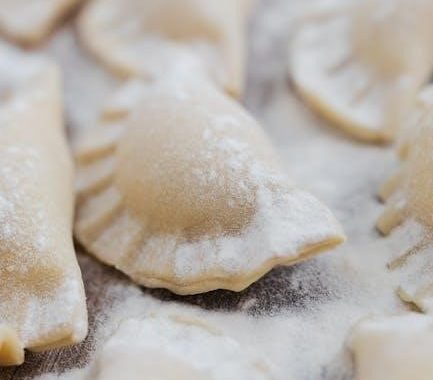
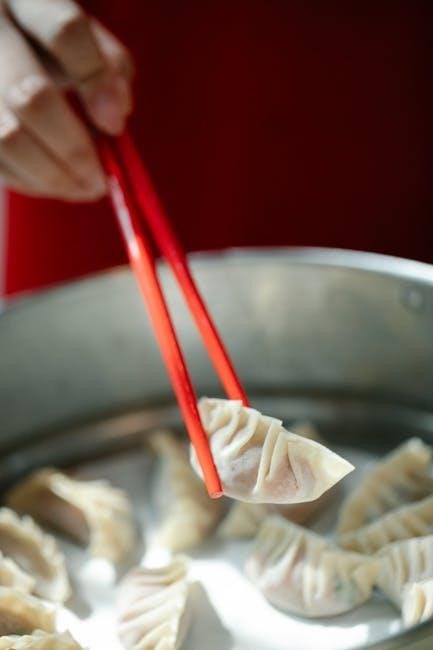
Pierogi are traditional Polish dumplings, typically made from unleavened dough, filled with savory or sweet ingredients like potatoes, cheese, meat, or fruits. They are boiled, fried, or baked, offering a hearty, flavorful dish rich in Polish culinary heritage. Kasia’s Pierogi maintains this cherished tradition, blending authentic recipes with modern cooking techniques to create a delicious, comforting meal for all to enjoy.

Kasia’s Pierogi: A Traditional Polish Recipe

Kasia’s Pierogi embodies the heart of Polish cuisine, offering a timeless recipe passed through generations. The dish features tender dumplings filled with classic ingredients like potatoes, cheese, and onions, wrapped in a soft, elastic dough. Traditionally boiled or pan-fried, Kasia’s Pierogi captures the essence of Polish comfort food, blending simplicity with rich flavors. This beloved dish is a testament to Poland’s culinary heritage, providing a delicious and authentic experience for every palate.

Ingredients for Kasia’s Pierogi Dough

The dough requires flour, warm water, egg, and salt, creating a smooth, elastic texture. Optional additions like sour cream or milk enhance flexibility and richness.

Essential Ingredients for the Dough

The foundation of Kasia’s Pierogi dough relies on simple, high-quality ingredients: all-purpose flour for structure, warm water for hydration, a single egg for binding, and a pinch of salt for flavor. These components create a smooth, elastic dough that is easy to roll out and shape. Using room-temperature ingredients ensures the dough comes together seamlessly, avoiding any toughness or stickiness. This traditional combination has been perfected over generations to deliver the perfect texture for wrapping flavorful fillings.

Optional Additives for Enhanced Flavor

For an extra layer of flavor, Kasia’s Pierogi dough can be enriched with optional additives. A tablespoon of sour cream or milk adds a subtle tanginess, while a drizzle of melted butter enhances richness. Some cooks also incorporate finely chopped fresh herbs like dill or chives for a fragrant twist. These additions refine the dough’s taste without overpowering it, allowing the natural simplicity of the ingredients to shine while offering a personalized touch to the traditional recipe.

Preparing the Pierogi Dough

Combine flour, salt, and warm water in a bowl. Add eggs and sour cream, mixing until a dough forms. Knead until smooth, rest for 30 minutes.

Step-by-Step Dough Preparation

Start by combining 2 cups of flour and 1 teaspoon of salt in a large bowl. Gradually add 1/2 cup of warm water, mixing until the dough begins to form. Incorporate 1 egg and 1 tablespoon of sour cream, continuing to mix until a smooth, elastic dough forms. Knead the dough on a floured surface for 5-7 minutes until it becomes pliable. Cover and let rest for 30 minutes to allow gluten relaxation. Divide the dough into smaller portions for easy rolling. This process ensures a tender and durable dough for wrapping fillings.

Tips for Achieving the Perfect Dough Consistency

Traditional Pierogi Fillings

Classic fillings include potato and cheese, savory meat with onions, and sweet fruit options like strawberries or cherries, each offering a delightful taste of Polish heritage.

Classic Potato and Cheese Filling

The classic potato and cheese filling is a staple in traditional pierogi. Mashed potatoes are blended with sharp cheddar or farmer’s cheese, creating a creamy, savory filling. Many recipes suggest using leftover mashed potatoes, which adds convenience. The dough is then stuffed generously but not overly, ensuring the pierogi seal properly. This filling is often served with caramelized onions and sour cream, enhancing its rich, comforting flavor. It’s a simple yet hearty option cherished in Polish cuisine.

Savory Meat and Onion Filling

The savory meat and onion filling offers a hearty twist. Ground pork or beef is sautéed with caramelized onions until fragrant. Seasoned with garlic and black pepper, this filling adds a robust flavor. Some recipes incorporate fresh herbs for a brighter taste, while others suggest adding a touch of tomato paste for depth. This filling is ideal for those seeking a meaty, satisfying pierogi option, often paired with fried bacon bits or sour cream for added richness. Perfect for meat lovers, it’s a delightful variation of traditional pierogi.

Fruit Fillings for Sweet Pierogi

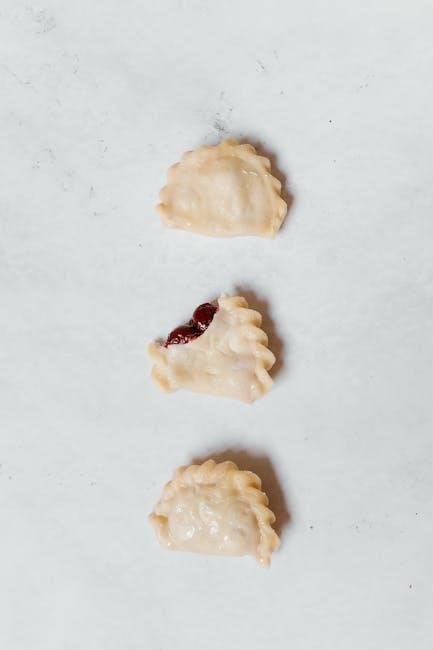
Fruit fillings transform pierogi into a sweet treat. Strawberries, blueberries, or cherries are mashed with sugar and lemon zest. Some recipes add vanilla for extra flavor. The dough is rolled thin, filled generously, and sealed tightly. These sweet pierogi are often pan-fried until golden and served with powdered sugar or a dollop of whipped cream. They’re a refreshing dessert option, especially in summer, offering a fruity twist on traditional pierogi, perfect for satisfying sweet cravings.

Assembling the Pierogi

Roll out the dough thinly, place a spoonful of filling in the center, fold the dough over, and press edges to seal the pierogi tightly;

Rolling Out the Dough

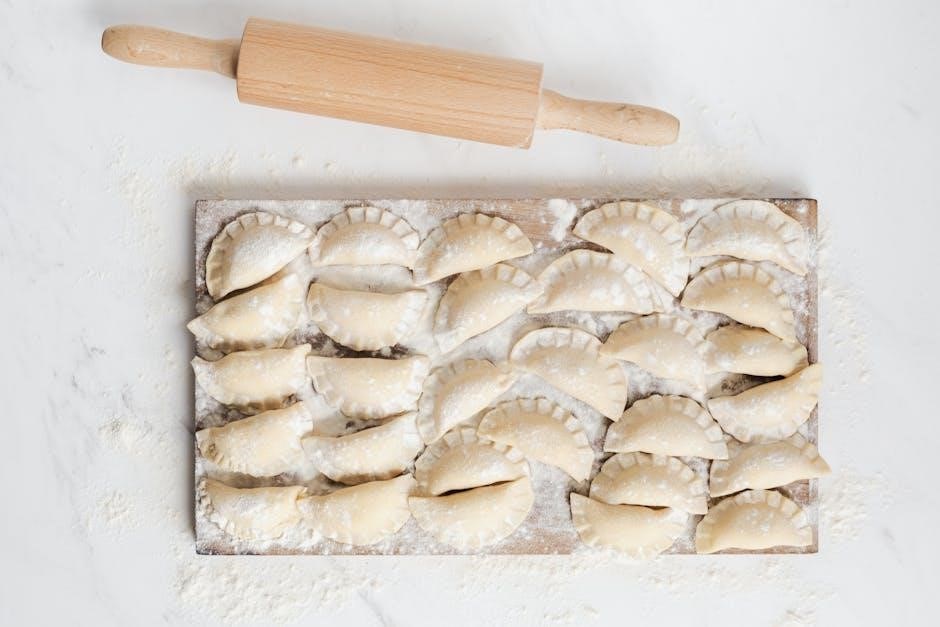
Roll out the pierogi dough on a floured surface to a thickness of about 1/8 inch. Use a rolling pin to achieve an even consistency, ensuring the dough is thin enough to fold easily. Keep the dough lightly floured to prevent sticking. If needed, divide the dough into smaller portions for easier handling. Roll gently but firmly to maintain uniform thickness, which helps the pierogi cook evenly. Avoid overworking the dough to keep it tender and pliable for filling.

Placing the Filling

Place a tablespoon or two of your chosen filling in the center of each dough circle. Be careful not to overfill, as this can cause the pierogi to break during cooking. Gently press the filling down to ensure it’s evenly distributed, leaving a small border around the edges. Handle the dough lightly to avoid stretching or tearing. This step ensures the filling is secure and the pierogi seal properly, creating a delicious, intact dumpling ready for cooking.

Sealing the Pierogi Properly

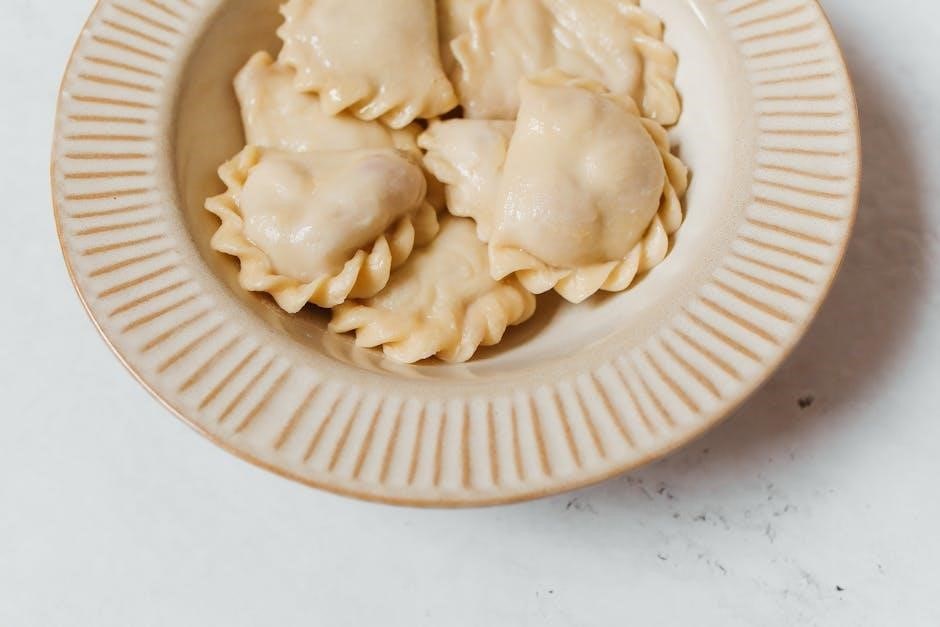
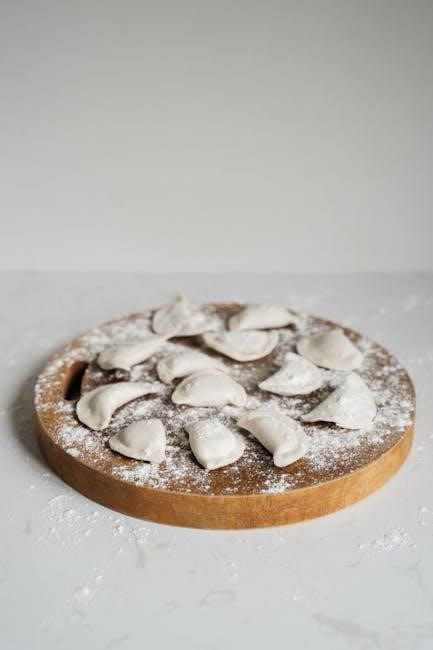
Fold the dough over the filling, forming a half-circle shape, and press the edges together firmly to seal. Use a fork to crimp the edges, ensuring a tight seal to prevent breaking during cooking. Avoid overworking the dough, as it may become tough. For an extra secure seal, lightly moisten the edges with water before pressing. Proper sealing ensures the pierogi hold their shape and filling intact, creating a delicious, professional finish for boiling or frying;

Cooking Methods for Pierogi

Boil, pan-fry, or bake pierogi for perfect results. Boiling is traditional, pan-frying adds crispiness, and baking offers a healthier option. Each method enhances texture and flavor uniquely.

Boiling Pierogi: A Traditional Approach

Boiling pierogi is a classic method that ensures tender results. Bring a large pot of salted water to a boil, gently add pierogi, and cook until they float. Avoid overcrowding the pot to prevent sticking. Cook for 5-7 minutes after they rise, then drain and serve with caramelized onions or sour cream. This traditional approach preserves the delicate texture and flavor of Kasia’s Pierogi, offering an authentic Polish experience.
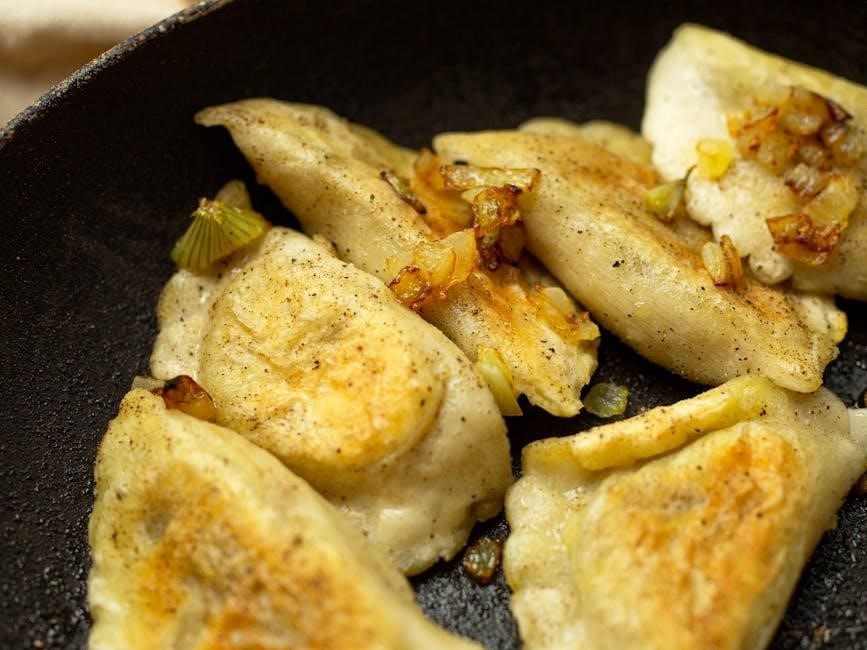
Pan-Frying Pierogi for a Crispy Texture

Pan-frying pierogi adds a golden, crispy exterior while maintaining a soft interior. Heat a skillet over medium with butter or oil, add pierogi in a single layer, and cook until golden brown on both sides, about 3-4 minutes per side. For extra flavor, add diced onions or bacon to the pan. This method enhances the texture and flavor, offering a satisfying crunch that complements traditional fillings like potato and cheese or meat and onions.

Baking Pierogi: A Healthier Alternative

Baking pierogi offers a healthier option with less oil. Preheat the oven to 375°F (190°C). Place pierogi on a parchment-lined baking sheet, lightly brushed with oil. Bake for 15-20 minutes, flipping halfway, until golden. This method preserves flavor while reducing fat, making it ideal for those seeking a lighter version. Serve with toppings like sour cream or herbs for added freshness without the extra calories from frying.

Serving Suggestions

Enhance your pierogi experience with classic toppings like sour cream, caramelized onions, or crispy bacon. Fresh herbs add a bright touch, while experimenting with new combinations sparks creativity.

Classic Toppings: Sour Cream and Caramelized Onions

Sour cream and caramelized onions are timeless favorites for topping pierogi, offering a rich, creamy contrast to the tender dumplings. The tangy creaminess of sour cream balances the savory flavors, while caramelized onions add a sweet, deep undertone. This classic combination enhances the overall texture and flavor, making it a beloved Polish tradition for serving pierogi. It’s a simple yet impactful way to elevate your dish into a comforting, memorable meal.

Adding Bacon or Ham for Extra Flavor

Add a smoky, savory twist by incorporating bacon or ham into your pierogi dish. Crispy bacon bits or diced ham can be sautéed with onions and butter before tossing with cooked pierogi, infusing a hearty, meaty flavor. This addition complements the dumplings’ delicate taste, creating a satisfying and robust meal. Bacon or ham not only adds texture but also enhances the overall aroma, making it a delicious variation for those who enjoy a bit of smokiness in their traditional Polish dish.

Fresh Herbs for a Bright, Refreshing Touch

Fresh herbs like parsley, dill, or chives add a vibrant, refreshing flavor to Kasia’s Pierogi. Sprinkle chopped herbs as a garnish or mix them with sour cream for a lighter topping. They balance the richness of the dumplings, offering a zesty contrast to the savory fillings. Fresh herbs not only enhance the dish’s visual appeal but also provide a burst of fresh flavor, making it a perfect way to brighten your traditional pierogi meal.

Cooking Pierogi from Frozen

Cooking Kasia’s Pierogi directly from frozen is simple. Boil or pan-fry them until they float, ensuring even cooking. No defrosting needed for perfect, flavorful results every time.

Cooking Frozen Pierogi: Step-by-Step Guide

  1. Bring a large pot of salted water to a boil and gently add frozen pierogi without defrosting.
  2. Reduce heat to a simmer and cook for 5-7 minutes, or until pierogi float to the surface.
  3. Remove with a slotted spoon and drain excess water.
  4. For pan-frying, heat a skillet with butter or oil over medium heat, add pierogi, and cook until golden brown on both sides.
  5. Serve hot with caramelized onions, sour cream, or bacon bits for added flavor.

Tips for Maintaining Texture and Flavor

  • Cook pierogi directly from the freezer without defrosting to preserve their texture.
  • Avoid overcrowding the pot to prevent sticking and ensure even cooking.
  • Don’t overcook, as this can make pierogi tough; stop when they float.
  • For pan-frying, use a medium heat to achieve a golden crust without burning.
  • Pat dry excess moisture before pan-frying to enhance crispiness.

Advanced Pierogi Cooking Techniques

Elevate your pierogi game with creative methods like layering flavors in dough, experimenting with unique fillings, and combining cooking techniques for a richer taste experience.

Layering Flavors in the Dough

Enhance your pierogi dough by incorporating fresh herbs like parsley or dill for a bright, refreshing taste. For a richer flavor, substitute a portion of all-purpose flour with whole wheat or buckwheat flour. Adding a splash of olive oil or a pat of melted butter infuses a subtle savory note, while a pinch of garlic powder or onion powder can deepen the aroma. Experiment with grated Parmesan or a sprinkle of caraway seeds for a tangy, aromatic twist that complements the fillings beautifully. This approach creates a more complex and satisfying base for your pierogi.

Experimenting with Different Fillings

Step beyond traditional potato and cheese by exploring a variety of creative fillings. For a savory twist, try mixing ground beef with sautéed onions and a hint of nutmeg. Vegetarian options could include roasted butternut squash blended with sage or caramelized mushrooms with thyme. Sweet fillings like strawberry or blueberry jam offer a delightful dessert pierogi. Adventurous cooks might even experiment with smoked salmon or goat cheese for a modern, sophisticated take on this classic dish, ensuring each batch is uniquely flavorful and memorable.

Combining Cooking Methods for Ultimate Flavor

Achieve the perfect balance of texture and taste by combining boiling and pan-frying. Start by boiling pierogi until they float, ensuring they are cooked through without being too soft. Immediately transfer them to a hot skillet with melted butter and a sprinkle of bacon bits. Sauté until golden brown, creating a crispy exterior while retaining a tender interior. This dual method enhances both flavor and texture, offering a truly satisfying culinary experience with each bite.

Common Mistakes to Avoid

  • Overworking the dough can make it tough and dense.
  • Overfilling pierogi leads to them breaking during cooking.
  • Incorrect water temperatures affect texture and doneness.

Overworking the Dough

Overworking the dough is a common mistake that makes pierogi dense and tough. Mix ingredients just until combined, then knead gently until smooth. Overmixing develops excess gluten, leading to a less tender texture. Stop once the dough comes together in a cohesive ball. Resting the dough for 30 minutes helps relax the gluten, ensuring a soft, pliable texture for rolling out. A light touch ensures perfect, delicate pierogi.

Overfilling the Pierogi

Overfilling the pierogi is a common mistake that can lead to them breaking apart during cooking. Use a small ball of filling, about 1-2 teaspoons, depending on the size of your pierogi. Excess filling can cause the dough to stretch thin, making it prone to tearing. Proper sealing is also compromised with too much filling. Leave enough dough around the edges to crimp or press firmly for a tight seal. This ensures the pierogi stay intact while boiling or pan-frying.

Incorrect Cooking Temperatures

Cooking pierogi at the wrong temperature can lead to undercooked or overcooked dumplings. For boiling, ensure the water is at a gentle boil, not a rolling boil, to prevent pierogi from breaking. For pan-frying, use medium heat to avoid burning the dough before the filling is fully heated through. If the temperature is too low, pierogi may stick to the pan or cook unevenly. Maintain consistent heat for optimal texture and flavor, ensuring a perfectly cooked pierogi every time.

Troubleshooting Pierogi Cooking Issues

If pierogi stick during cooking, dust with flour. For uneven cooking, stir gently. If dough tears, patch with a small piece of extra dough.

Fixing Tough or Sticky Dough

If the dough feels tough or sticky, adjust the consistency by adding a little more flour or water. Knead gently until smooth. Overworking can make it tough, so mix just until combined. If too sticky, dust with flour and knead briefly. For toughness, add a splash of warm water. Letting the dough rest for 30 minutes can improve texture. Ensure ingredients are at room temperature for optimal mixing. Avoid over-flouring during rolling to maintain dough elasticity. A balanced dough is key for perfect pierogi texture. Always knead on a floured surface to prevent sticking.

Preventing Pierogi from Breaking Apart

To prevent pierogi from breaking, ensure the dough is well-rested and evenly rolled. Avoid overfilling, as this can cause seams to split. Seal edges tightly by crimping with a fork or pressing firmly. Gently place pierogi in boiling water to avoid sudden impact. Cook in batches to prevent overcrowding, reducing movement in the pot. Use a slotted spoon to remove them carefully. Proper sealing and gentle handling are key to intact, delicious pierogi. Always cook at a steady simmer, not a rolling boil. Handle with care to maintain their shape and structure.

Adjusting Cooking Time for Perfect Doneness

Cooking pierogi to the right doneness requires attention to timing. Boil fresh pierogi for 5-7 minutes after they float, while frozen ones need 7-9 minutes; Pan-frying requires 3-4 minutes per side until golden brown. Check for a tender texture and slight puffing. Avoid overcooking, as this can make them tough. Adjust time based on size and filling. Use a timer and monitor closely to ensure perfectly cooked pierogi every time, achieving a delicate balance of texture and flavor. Proper doneness ensures a satisfying, authentic experience. Always test one if unsure. Adjustments may be needed for different fillings and methods, ensuring optimal results. This careful approach guarantees the best outcome for your dish.

Storing and Reheating Pierogi

Store pierogi in an airtight container in the fridge for up to 3 days or freeze for up to 3 months. Reheat by boiling or pan-frying until warm and crispy.

Proper Storage Techniques

To maintain freshness, store pierogi in an airtight container in the refrigerator for up to 3 days or freeze for up to 3 months. For freezer storage, place them on a baking sheet lined with parchment paper until frozen solid, then transfer to a sealed container or freezer bag. Avoid rinsing before storing, as excess moisture can cause sticking. Proper storage ensures pierogi remain tender and flavorful for future meals.

Reheating Pierogi Without Losing Flavor

For optimal flavor, reheat pierogi in a skillet with a little butter or oil over medium heat until golden brown. Alternatively, boil them briefly in salted water until they float. For a crispy texture, pan-fry after boiling. Avoid overheating to prevent drying out. Serve with toppings like sour cream, caramelized onions, or bacon bits to enhance the flavor. Proper reheating ensures pierogi retain their tender texture and delicious taste, keeping them fresh and appetizing.

Nutritional Information

Kasia’s Pierogi are a hearty dish, with approximately 200-300 calories per serving. They contain carbs from dough, protein from fillings, and moderate fat, offering B vitamins and minerals.

Calorie and Nutrient Breakdown

Kasia’s Pierogi typically range from 250-350 calories per serving, depending on fillings. They are rich in carbohydrates (40-50g) from the dough, with moderate protein (8-12g) and fat (10-15g). The dish provides essential nutrients like B vitamins from the dough and potassium from potato fillings. Cheese fillings add calcium, while meat options offer iron and zinc. A serving also includes about 3-4g of fiber, supporting digestive health. This balanced mix makes pierogi a satisfying and nutritious meal option.

Healthier Alternatives and Modifications

For a healthier twist, use whole wheat flour in the dough and opt for lean proteins like turkey or chicken in fillings. Reduce cheese content and substitute with low-fat alternatives. Baking pierogi instead of frying cuts calories and fat. Add steamed vegetables or herbs for extra nutrients and flavor. Using egg whites instead of whole eggs in the dough can also lower cholesterol. These modifications maintain taste while offering a more balanced nutritional profile.

Variations and Creative Twists

Kasia’s Pierogi offers a variety of creative twists, from sweet strawberry and blueberry fillings to savory meat and spinach options, blending traditional Polish flavors with modern innovations.

Vegetarian and Vegan Pierogi Options

Kasia’s Pierogi offers delicious vegetarian and vegan options, perfect for plant-based diets. The dough can be adapted by replacing eggs with flax or chia seeds and using plant-based milk. Fillings include sautéed spinach, mushrooms, and vegan cheese, ensuring rich flavors without animal products. For a hearty option, try potato and pea mixtures or lentil-based fillings. These variations maintain the authentic taste while catering to dietary preferences, making them a great choice for both vegetarians and vegans alike.

Modern Fusion Fillings

Modern fusion pierogi fillings offer creative twists on traditional recipes, blending global flavors with Polish heritage. Try unique combinations like kimchi and bulgogi beef for a Korean-inspired taste or spicy shrimp with mango salsa for a tropical twist. For a Mediterranean flair, mix feta, olives, and sun-dried tomatoes. These innovative fillings cater to adventurous eaters while maintaining the comforting essence of pierogi. Experiment with bold flavors to create a truly modern culinary experience that delights the palate and explores global cuisines.

Specialty Pierogi for Different Occasions

Specialty pierogi are perfect for marking celebrations or themed events. For holidays, try cranberry and orange zest pierogi for a festive touch, or chocolate-filled varieties for dessert. Wedding pierogi can be mini-sized with elegant fillings like brie and fig. Themed parties might feature colorful beet or spinach dough for visual appeal. Seasonal fillings, such as pumpkin for fall or strawberry for summer, add a unique twist. These creative options make pierogi a versatile and memorable dish for any special occasion, ensuring a delightful and personalized experience for guests.