oven fry pork chops instructions

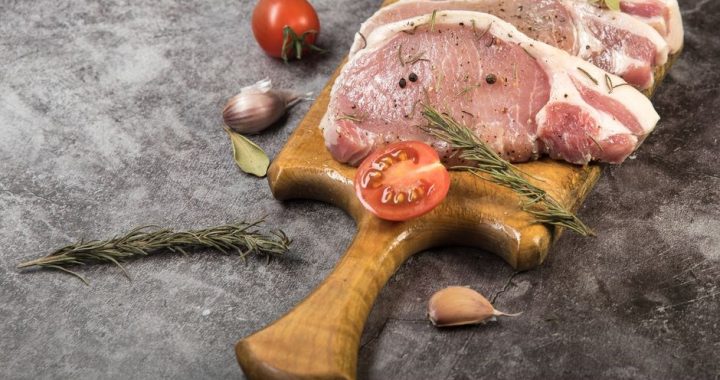
Oven frying pork chops delivers a crispy crust while keeping the meat tender. Start by seasoning thin chops with garlic‚ Italian herbs‚ paprika‚ salt‚ pepper‚ and a touch of cayenne. Dredge in flour‚ then bake at 400°F for 12‑15 minutes‚ flipping halfway.Use a baking sheet lined with parchment cleanup.

Why Oven Frying Works

Oven frying harnesses the Maillard reaction‚ a chemical process that occurs when proteins and sugars are exposed to temperatures above 300°F. In a conventional oven‚ the hot air circulates around the pork chops‚ creating a uniform heat source that cooks the meat evenly while simultaneously drying the surface. This surface dehydration allows the fat to render out‚ leaving a crisp exterior that locks in juices. Additionally‚ the fat rendered from the chops drips away‚ preventing the meat from steaming in its own juices. This technique also reduces flare‑ups and splattering‚ making it a cleaner alternative for busy kitchens. Finally‚ the oven’s steady heat ensures the pork chops finish cooking to the ideal internal temperature without drying out‚ delivering a juicy bite every time.

The oven’s convection fan‚ if available‚ circulates hot air‚ ensuring the surface of the pork chops reaches a temperature high enough to trigger the Maillard reaction across all exposed areas. Unlike stovetop frying‚ which can create uneven browning‚ oven frying allows heat to envelop the meat‚ producing a consistent crust. The fat rendered from the chops drips away‚ preventing steaming and keeping the meat juicy. This technique reduces flare‑ups and splattering‚ making it a cleaner alternative for busy kitchens. Finally‚ the oven’s steady heat ensures the pork chops finish cooking to the ideal internal temperature without drying out‚ delivering a juicy bite every time. It keeps the oven cleaner and reduces time daily.
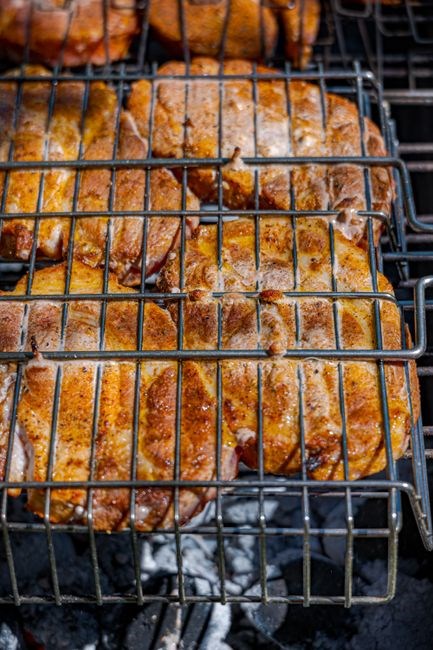
Oven frying harnesses the Maillard reaction‚ a chemical process that occurs when proteins and sugars are exposed to temperatures above 300°F. In a conventional oven‚ the hot air circulates around the pork chops‚ creating a uniform heat source that cooks the meat evenly while simultaneously drying the surface. This surface dehydration allows the fat to render out‚ leaving a crisp exterior that locks in juices. Additionally‚ the fat rendered from the chops drips away‚ preventing the meat from steaming in its own juices. This technique also reduces flare‑ups and splattering‚ making it a cleaner alternative for busy kitchens. Finally‚ the oven’s steady heat ensures the pork chops finish cooking to the ideal internal temperature without drying out‚ delivering a juicy bite every time.

The oven’s convection fan‚ if available‚ circulates hot air‚ ensuring the surface of the pork chops reaches a temperature high enough to trigger the Maillard reaction across all exposed areas. Unlike stovetop frying‚ which can create uneven browning‚ oven frying allows heat to envelop the meat‚ producing a consistent crust. The fat rendered from the chops drips away‚ preventing steaming and keeping the meat juicy. This technique reduces flare‑ups and splattering‚ making it a cleaner alternative for busy kitchens. Finally‚ the oven’s steady heat ensures the pork chops finish cooking to the ideal internal temperature without drying out‚ delivering a juicy bite every time. It keeps the oven cleaner and reduces time daily.

To achieve the perfect oven‑fried pork chops‚ gather a few essential tools. A reliable oven that can maintain a steady 400°F (204°C) is the cornerstone; a conventional or convection model works equally well. A rimmed baking sheet or a shallow roasting pan will hold the chops and allow excess fat to drain‚ keeping the surface dry for crisping. Line the sheet with parchment paper or a silicone baking mat to prevent sticking and simplify cleanup.

Measuring spoons are handy for precise seasoning‚ while a small bowl or shallow dish is needed to mix the flour coating. A wooden spoon or whisk will help combine the dry ingredients evenly. A kitchen thermometer is invaluable for checking the internal temperature of the pork chops; aim for 145°F (63°C) to ensure safety and juiciness.

For a quick‚ even crust‚ a non‑stick cooking spray or a light brush of oil will help the flour adhere and brown. A spatula or tongs will allow you to flip the chops without tearing the coating. Finally‚ a timer or kitchen clock will keep track of the cooking time‚ ensuring you remove the chops at the right moment for optimal texture.
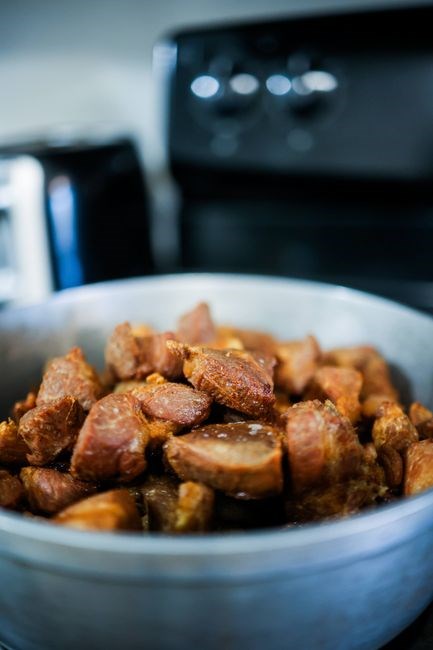
If your oven has a broiler‚ you can finish the chops under it for a few minutes to deepen the crust. Position the rack 4–6 inches from the heat source. Keep a close eye to avoid burning‚ and use a timer to track the broil. This step adds a edge that enhances flavor texture pork chops absorb deep seasoning! coating!
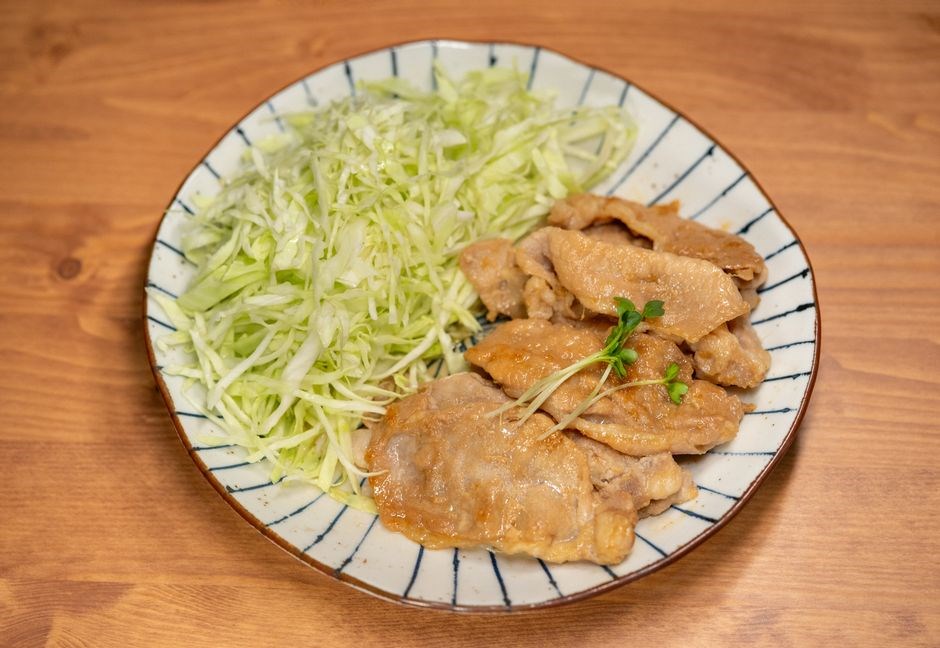
Choosing the Right Pork Chops

Opt for 1‑inch thick chops for even cooking. Fresh cuts retain moisture; frozen need thawing. Look for a slight marbling for flavor. Trim excess fat to avoid flare‑ups. Ensure chops are uniform in size so they brown consistently; Use a meat thermometer to check for 145°F.
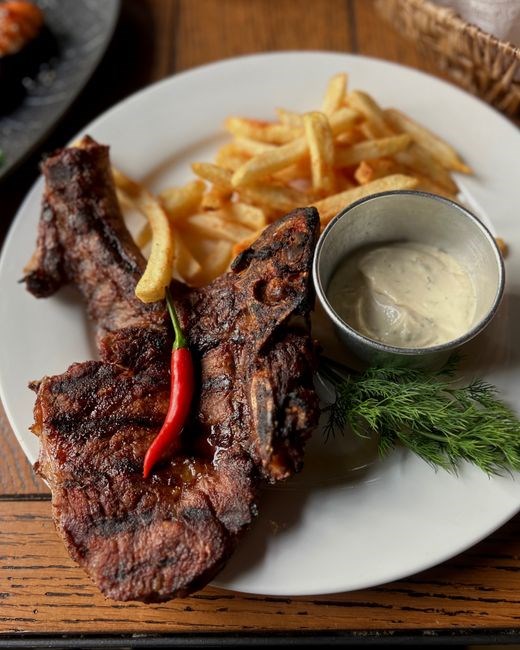
Thickness Matters

When oven‑frying pork chops‚ thickness is the single most critical factor that determines how the meat cooks‚ how long it cooks‚ how crisp the exterior turns. A chop that is too thin—less than ¾ inch—will brown almost instantly‚ often drying out before the interior reaches the safe 145°F mark. Conversely‚ a chop thicker than 1½ inches will take longer to heat through‚ and the outer layer can become over‑browned while the center remains undercooked. The ideal range for a classic oven‑fry is 1 to 1¼ inches. At this thickness‚ the heat penetrates evenly‚ creating a golden crust on the outside and a tender‚ pink center that stays moist. To achieve uniform thickness‚ gently pound the chops with a meat mallet or a rolling pin until they are even on both sides. This not only ensures consistent cooking but also helps the coating adhere better‚ giving you a crispier finish. If you prefer a slightly thicker cut‚ consider adding a quick sear on a hot skillet before transferring to the oven; this locks in juices and speeds up the internal temperature rise. Always use a calibrated meat thermometer to check doneness‚ inserting it into the thickest part of the chop. Remember‚ the goal is a balance between a crisp exterior and a juicy interior—thickness is the key to that harmony. For best results‚ line your baking sheet with parchment paper or a silicone mat and lightly spray the surface with oil to prevent sticking‚ ensuring an even heat distribution and a crispier crust. Let the chops rest a few minutes to redistribute juices before serving immediately now!

Fresh vs Frozen

Choosing between fresh and frozen pork chops for oven‑frying hinges on texture‚ flavor‚ and convenience. Fresh chops retain a natural moisture level‚ yielding a juicy interior when cooked to 145°F. They also develop a more pronounced crust because the surface dries slightly during marination‚ allowing the coating to adhere firmly. Frozen chops‚ on the other hand‚ are convenient for meal prep and often come pre‑seasoned. However‚ they require a longer thawing period—ideally overnight in the refrigerator—to avoid a soggy exterior. If you opt for quick thawing‚ place the chops in a sealed bag and submerge them in cold water‚ changing the water every 30 minutes. Once thawed‚ pat them dry thoroughly; any excess moisture will steam the coating‚ preventing crispness. For best flavor‚ season fresh chops immediately after thawing‚ allowing the spices to penetrate the meat. Frozen chops can be seasoned before freezing‚ but the seasoning may not bind as well‚ leading to uneven flavor distribution. When oven‑frying‚ both types benefit from a brief pre‑heat at 400°F‚ but frozen chops should be placed on a rack to allow air circulation around the entire surface; This ensures even browning and reduces the risk of steaming. Finally‚ regardless of source‚ always check the internal temperature with a probe to guarantee safety and optimal texture. Fresh or frozen‚ the key is proper preparation and attention to moisture control. When thawing frozen chops‚ avoid using a microwave as it can partially cook the edges‚ leading to uneven crust formation. Instead‚ use the refrigerator method‚ which preserves the meat’s integrity and allows the seasoning to penetrate evenly. If time is limited‚ the cold water method works‚ but ensure the bag is airtight to prevent water from seeping in. After thawing‚ let the chops rest at room temperature for about 15 minutes; this helps the meat cook more uniformly. A quick pat with paper towels removes surface moisture‚ which is essential for a crisp coating. For an extra layer of flavor‚ marinate fresh chops in a mixture of olive oil‚ lemon zest‚ and minced garlic for at least 30 minutes before coating. This not only adds aromatics but also helps the flour stick better. When baking‚ place the chops on a wire rack set over a baking sheet; this allows hot air to circulate around the meat‚ promoting even browning. If you prefer a thicker crust‚ lightly brush the coated chops with melted butter before baking. Finally‚ let the chops rest for 5 minutes after removing them from the oven; this allows juices to redistribute‚ ensuring each bite remains moist. Remember that oven temperature should be pre‑heated to 400°F (204°C) for at least 10 minutes before placing the chops inside. This ensures the first contact is hot enough to sear the coating instantly‚ locking in moisture. Use a thermometer to check that the internal temperature reaches 145°F (63°C) before serving. If you prefer a spicier bite‚ sprinkle a pinch of cayenne or chili flakes over the coating before baking. For a smoky twist‚ add a teaspoon of smoked paprika to the flour mixture. When using frozen chops‚ consider flipping them earlier‚ around the 6‑minute mark‚ to avoid over‑browning on one side. Always use a baking sheet lined with parchment paper to prevent sticking and to make cleanup easier. After baking‚ let the chops cool on a wire rack for a few minutes before cutting; this helps the juices settle and prevents them from spilling out when sliced.
Preparing the Pork Chops

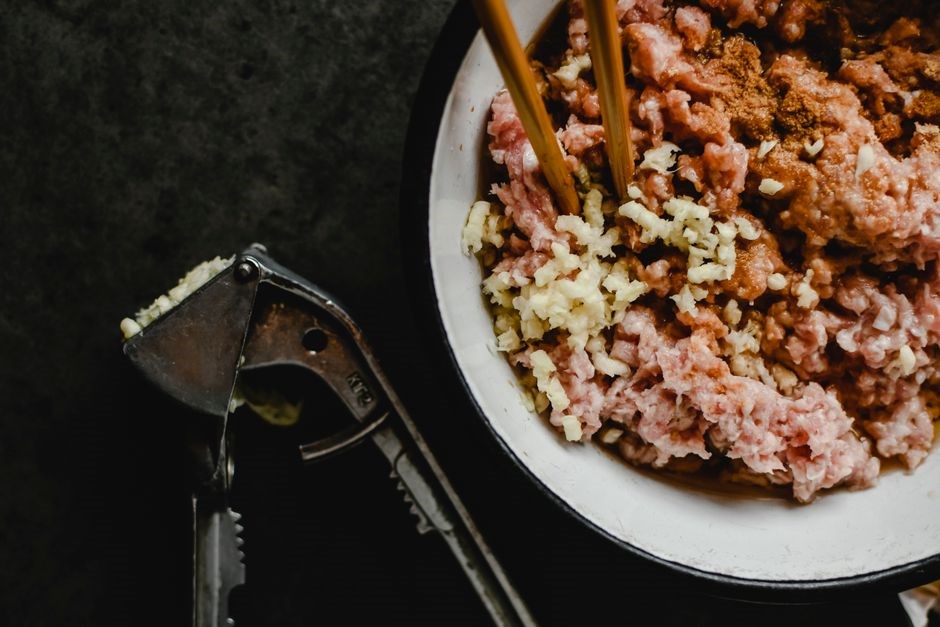
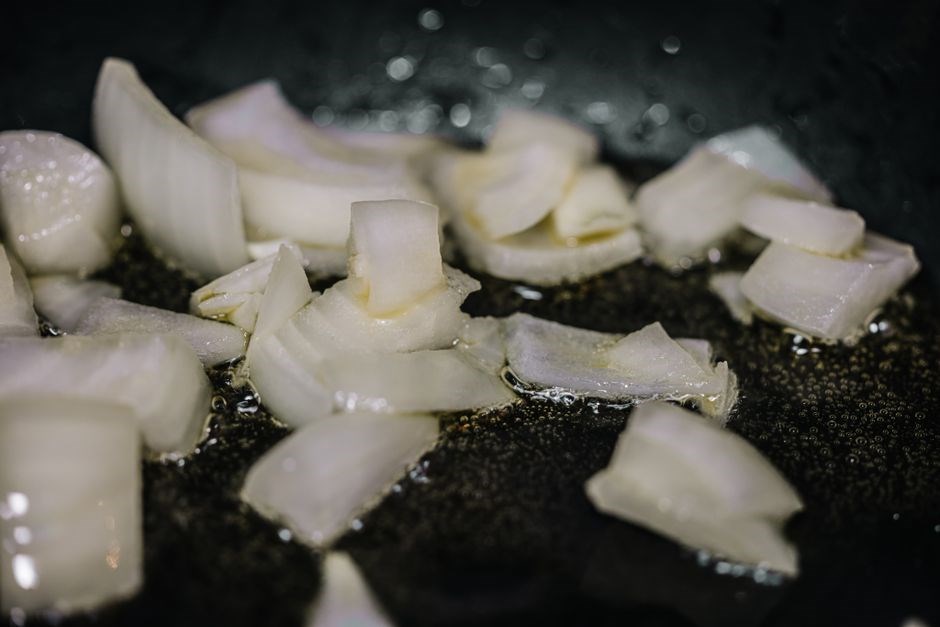
Pat the chops dry‚ then rub with garlic‚ Italian seasoning‚ rosemary‚ coriander‚ paprika‚ salt‚ pepper‚ and cayenne. Toss in flour with pepper and salt‚ press to coat‚ shake off excess. Let rest 10 min before oven. Pat them lightly with oil to help crust form. Let the coating dry for a minute baking.!!

Seasoning Options

When preparing oven‑fried pork chops‚ the seasoning blend can be tailored to match the flavor profile you desire. A classic base uses garlic powder‚ Italian seasoning‚ dried rosemary‚ ground coriander‚ smoked paprika‚ kosher salt‚ freshly ground black pepper‚ and a pinch of cayenne pepper. This combination delivers a savory‚ slightly smoky bite that complements the pork’s natural sweetness.

For a sweeter‚ caramel‑like crust‚ sprinkle a teaspoon of brown sugar into the dry rub. The sugar will brown during baking‚ creating a glossy finish. If you prefer a citrus kick‚ add a tablespoon of lemon zest or a dash of orange zest to the mix; the bright notes offset the richness of the meat.

Herb lovers can swap rosemary for fresh thyme or sage‚ or add dried oregano for a Mediterranean twist. A splash of Worcestershire sauce mixed into the flour coating introduces umami depth. For a bold‚ spicy edge‚ increase the cayenne or add a teaspoon of chipotle powder. Finally‚ finish with a light dusting of smoked sea salt after baking to enhance the crust’s flavor.

Additional seasoning ideas include a dry rub of equal parts brown sugar and smoked paprika for a sweet‑smoky crust‚ or a blend of cumin‚ coriander‚ and garlic powder for a Middle‑Eastern twist. For a fresh‚ herbaceous flavor‚ sprinkle chopped fresh parsley‚ basil‚ or oregano over the chops before baking; A squeeze of fresh lemon juice just before serving brightens the dish and balances the richness.

Add a pinch of smoked sea salt after baking flavor

Coating with Flour

To achieve a crisp‚ golden exterior‚ coat each seasoned pork chop in a light flour crust before baking. In a shallow dish‚ combine ½ cup all‑purpose flour with ¼ teaspoon cayenne pepper‚ a pinch of kosher salt‚ and freshly ground black pepper to taste.

Take each pork chop‚ pat it dry with paper towels‚ then dredge it in the flour mixture. Press the flour onto the surface‚ ensuring a thin‚ even layer that adheres firmly. Shake off any excess flour to prevent clumping during baking.

For extra crunch‚ double‑coat by dipping the floured chop back into beaten egg or milk‚ then again into the flour mixture. This creates a thicker crust that browns beautifully in the oven.

Place the coated chops on a parchment‑lined baking sheet‚ spacing them apart to allow air circulation. Lightly spray the tops with non‑stick cooking spray to promote even browning.

When baking at 400°F‚ the flour coating will crisp to a golden brown within 12–15 minutes‚ locking in moisture and enhancing flavor.

If you prefer a crunchier crust‚ substitute half the flour with cornmeal or panko breadcrumbs. Toss the chops in the mixture‚ then lightly press them to ensure adhesion. For a gluten‑free option‚ use rice flour or a blend of almond flour and cornstarch. The key is to keep the coating thin; a thick layer can become soggy during baking.

After baking‚ let the chops rest for a few minutes; this allows juices to redistribute‚ ensuring each bite stays moist. Serve with a squeeze of lemon or a drizzle of glaze!!
Oven Frying Technique

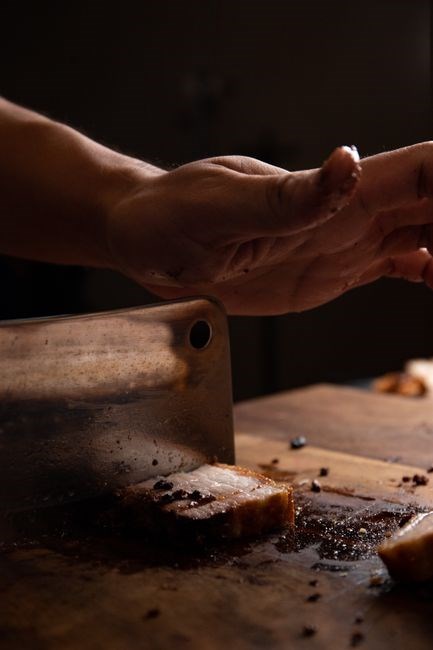
Preheat the oven to 400°F (204°C). Arrange floured chops on a parchment‑lined sheet‚ spacing them evenly. Bake for 12–15 minutes‚ flipping once‚ until the crust is golden and the internal temperature reaches 145°F. Let rest before serving.

Use a wire rack for crispness!!.

Preheating the Oven

Before you begin‚ preheat your oven to 400 °F (204 °C). This temperature is ideal for achieving a golden‚ crispy exterior while ensuring the pork chops remain juicy inside. Use a conventional oven rather than a convection setting‚ as the steady heat helps maintain moisture. Place a baking sheet on the middle rack to allow even airflow around each chop. If you have a pizza stone‚ it can also be used; it will help the bottom crisp up. While the oven warms‚ arrange the seasoned‚ floured pork chops on a parchment‑lined tray‚ spacing them so they do not touch. This spacing is crucial for even cooking and prevents steaming. Once the oven reaches the target temperature‚ you can confidently place the tray inside. Keep the door closed to maintain consistent heat‚ but avoid opening it during the first 10 minutes of cooking‚ as this can lower the temperature and affect browning. After the initial bake‚ you may open the door briefly to flip the chops‚ but try to keep the oven temperature steady. By following these preheating steps‚ you set the stage for perfectly oven‑fried pork chops that combine crispness with tenderness. To ensure accuracy‚ use an oven thermometer; the internal temperature should read 400 °F when you place the tray inside. If your oven has a preheat indicator‚ wait until it signals readiness; If you’re using a rack‑style oven‚ place the rack in the center to avoid heat loss at the edges. Finally‚ give the oven a few minutes to settle after the door is closed‚ ensuring the heat is evenly distributed before the pork chops begin their journey to crispy perfection. This meticulous preheating routine guarantees consistent results‚ allowing the exterior to brown beautifully while the interior stays moist and flavorful‚ a key element in achieving the signature oven‑fried texture that makes this method so beloved.

Cooking Temperature and Time

After preheating the oven to 400 °F (204 °C)‚ place the seasoned pork chops on a parchment‑lined sheet in a single layer. For 1/2‑inch thick chops‚ bake 12–14 minutes‚ flipping halfway to ensure even browning. Thicker chops (up to 3/4 inch) need 15–17 minutes‚ still flipping at the 7‑minute mark. A meat thermometer should read 145 °F (63 °C) before removal‚ guaranteeing safe consumption while keeping the meat tender. Lightly spray the chops with neutral oil before baking to promote a golden crust without excess fat. For an extra crunch‚ broil the finished chops for 1–2 minutes on the top rack‚ watching closely to avoid burning; this caramelizes the edges. Let the chops rest 3–5 minutes after broiling to allow juices to redistribute‚ ensuring each bite is juicy. Using a wire rack beneath the sheet allows air circulation‚ preventing steam buildup and keeping the bottom crisp. If your oven has a convection setting‚ reduce the temperature by 25 °F and shorten the cooking time by 2–3 minutes‚ but monitor closely to avoid over‑browning. After removal‚ place the chops on a wire cooling rack for 5 minutes to keep the crust intact. Serve immediately with a squeeze of fresh lemon juice and a simple salad or steamed vegetables. If you like a touch of sweetness‚ drizzle a glaze of honey over the chops during the last minute of broiling to add a caramel flavor. After resting‚ slice the chops against the grain for tenderness. Pair the dish with roasted root vegetables for a meal. Consistent temperature and timing are key to achieving that coveted oven‑fried texture every time.
Serving Suggestions

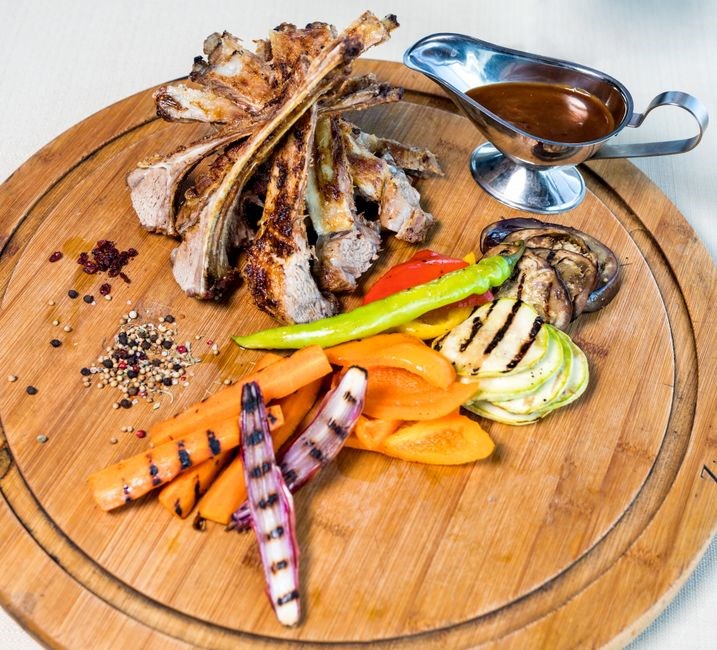
Top the oven‑fried chops with a sprinkle of fresh parsley‚ a squeeze of lemon‚ or a drizzle of honey mustard. Pair with roasted sweet potatoes‚ sautéed green beans‚ or a crisp green salad. A glass of chilled white wine or sparkling water complements the dish. Enjoy a hearty meal

Garnish Ideas

  • Sprinkle toasted sesame seeds for a nutty crunch.
  • Scatter fresh chives for a mild onion flavor.
  • Drizzle a touch of aged balsamic reduction.
  • Add a sprinkle of grated Parmesan for savory depth.
  • Lightly dust with crushed pistachios for texture.
  • Finish with a squeeze of fresh lime for brightness.
  • Top with a few drops of truffle oil for luxury.
  • Use chopped dill for a herby note.
  • Include a scattering of chopped scallions.
  • Finish with a sprinkle of smoked sea salt.
  • Dust with finely grated nutmeg for warmth.
  • Sprinkle chopped fresh rosemary for aroma.
  • Drizzle a hint of maple syrup for sweetness.
  • Top with crumbled blue cheese for tang.
  • Scatter toasted pine nuts for crunch.
  • Finish with a dash of smoked paprika.
  • Use chopped fresh mint for freshness.
  • Sprinkle grated lemon zest for brightness.
  • Drizzle a splash of soy sauce for umami.
  • Scatter chopped scallions for sharpness.
  • Finish with a swirl of garlic butter.
  • Top with a spoonful of tomato jam.
  • Sprinkle chopped walnuts for texture.
  • Drizzle a touch of honey for glaze.
  • Use a sprinkle of dried oregano for depth.
  • Finish with a drizzle of chili oil.
  • Top with a few capers for briny bite.
  • Finish with a dusting of toasted almond flour‚ a splash of aged sherry‚ and a sprinkle of sea salt crystals‚ then garnish with fresh thyme for an aromatic finish.
  • Go!

guided wolf hunts

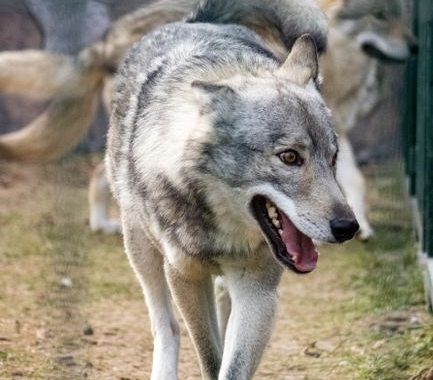
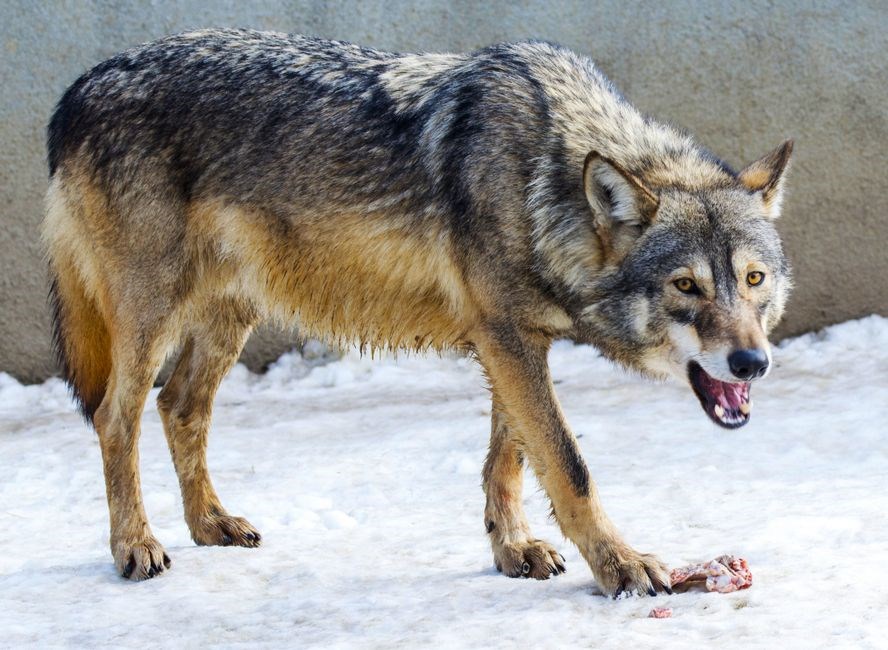
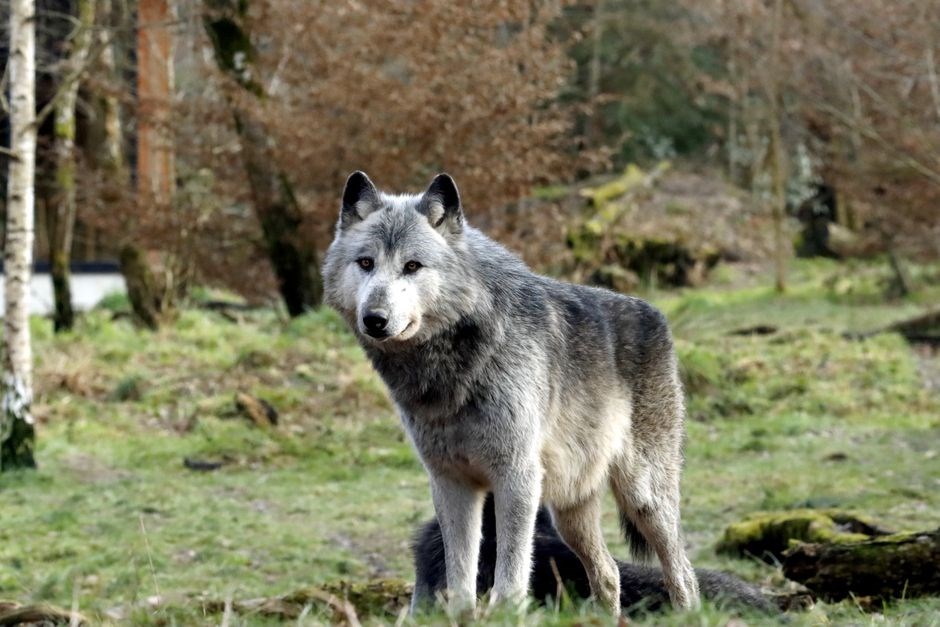
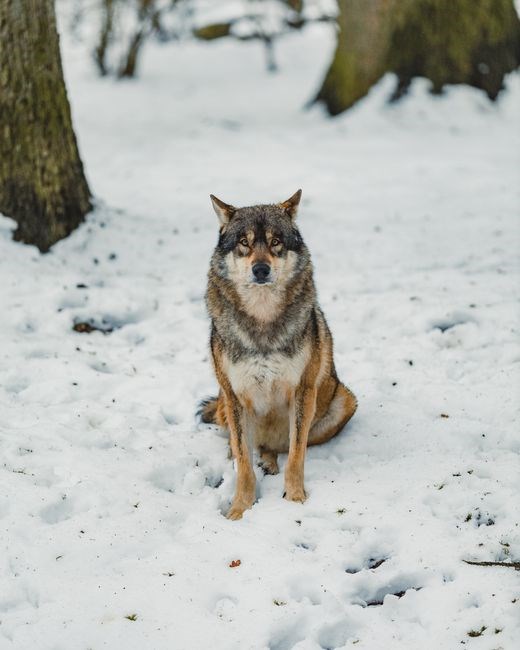
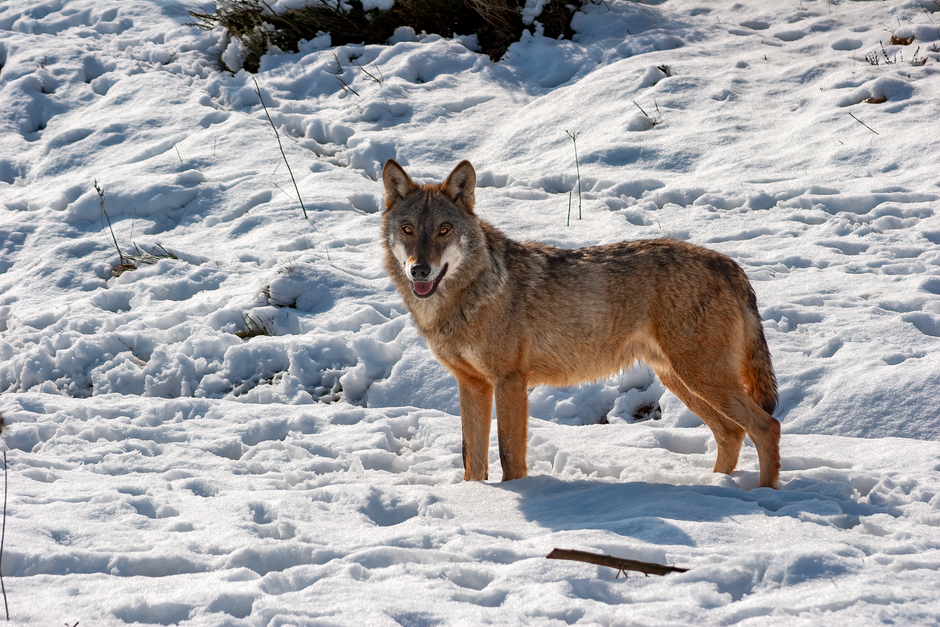
Guided wolf hunts combine science, regulation, and expert guidance to responsibly track wolves across North America; Hunters benefit from trained guides, thermal imaging, and tailored itineraries that respect wildlife balance while delivering unforgettable experiences and ethical stewardship

Popular Hunting Methods

Night bait hunts with thermal imaging dominate private lands, while daylight track‑and‑chase expeditions test skill and stamina. Guided teams blend science, patience, and local lore to locate wolves safely and ethically. Seasonal rules protect wolf numbers day.

Night Bait Hunts with Thermal Imaging on Private Land

Night bait hunts with thermal imaging on private land are the most efficient method for locating wolves after sunset. Guides set up bait stations in strategic valleys and use infrared cameras to detect heat signatures, allowing them to track packs in real time. Hunters stay in concealed blinds, moving only when the thermal feed indicates a target. The technique requires strict adherence to state regulations, including permits and limits on bait types. Experienced outfitters coordinate with wildlife biologists to ensure that bait placement does not disrupt natural prey patterns. The use of thermal imaging reduces the need for visual confirmation, minimizing human impact and increasing safety. Teams typically work in small groups, with one guide monitoring the feed and one hunter positioned near the bait. The hunt lasts from dusk until dawn, with breaks for rest and observation. Successful hunts depend on knowledge of wolf behavior, terrain, and weather conditions. Proper training in handling infrared equipment is essential, as is understanding the legal framework that governs private land hunting. The combination of bait and technology offers a balanced approach that respects wildlife management goals while providing an exhilarating experience for seasoned hunters.

Night operations demand precise timing; guides synchronize bait deployment with wolf activity peaks, often using GPS trackers to monitor pack movements. hunters respect zones, ensuring disturbance ecosystems.

Daytime Track and Chase Hunts

Daytime track and chase hunts rely on skilled guides who read fresh spoor, scent marks, and terrain cues to locate active wolf packs during daylight hours. Guides begin each outing with a briefing on recent GPS collar data, recent sightings, and seasonal movement patterns. Hunters travel in lightweight, low‑profile vehicles or on foot, depending on terrain, and maintain a safe distance while following a lead tracker who interprets footprints, broken vegetation, and howl responses. The chase element begins when a pack is located near a natural travel corridor such as a river valley or ridge line; the guide signals the hunter to move into position, using hand signals and radio communication to avoid startling the wolves. Once the wolves are within visual range, the guide coordinates a controlled pursuit, ensuring that the hunt complies with state‑mandated distance regulations and that non‑target wildlife is not disturbed. Hunters are equipped with high‑visibility safety gear, GPS units, and a compact first‑aid kit. The chase typically lasts from early morning until mid‑afternoon, with scheduled pauses for hydration and observation of pack behavior. Successful daytime hunts require a deep understanding of wolf social structure, knowledge of local prey cycles, and the ability to read subtle changes in wind direction. Guides also emphasize ethical hunting practices, stressing that each shot must be taken only when a clear, humane angle is confirmed.

Geographic Hotspots in North America

Northwest Montana offers low wolf density, Idaho Wilderness boasts diverse packs, and Ontario demands patience, mental toughness, and deep wolf behavior knowledge for successful hunts. Guides emphasize terrain knowledge, pack dynamics, and compliance with local regulations to ensure sustainable hunting practices now!

Northwest Montana Backcountry – Low Wolf Density

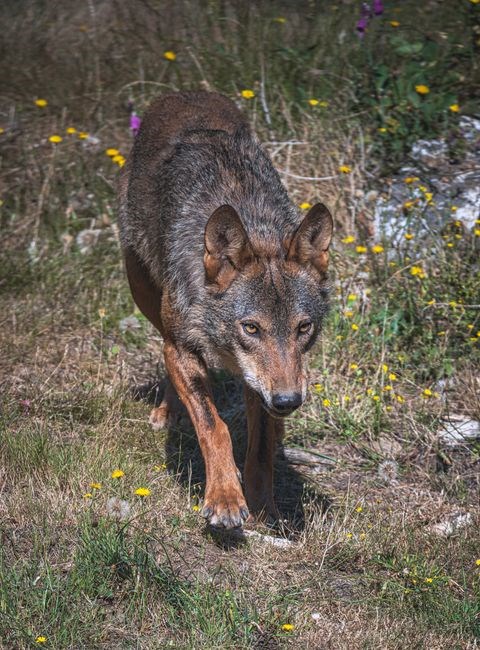
Northwest Montana’s remote backcountry offers a unique hunting experience where wolf populations remain comparatively sparse. This low density creates a quieter, more contemplative environment that appeals to hunters seeking a challenge beyond the thrill of the chase. Guides emphasize the importance of stealth, patience, and respect for the fragile ecosystem. The region’s rugged terrain—rocky ridges, alpine meadows, and dense coniferous forests—provides natural cover and strategic observation points. Hunters rely on thermal imaging during night bait hunts to detect subtle heat signatures while staying concealed. Daytime track and chase hunts require meticulous tracking skills, as wolves often traverse narrow valleys and use natural landmarks to navigate. The area’s climate, with long, cold winters and short, mild summers, influences wolf behavior, prompting seasonal shifts in hunting patterns. Conservation regulations mandate strict adherence to bag limits, seasonal closures, and permit requirements to maintain ecological balance. Experienced guides from local outfitters bring extensive knowledge of wolf movement, pack dynamics, and local regulations. They tailor each hunt to the hunter’s skill level, ensuring a safe, ethical, and memorable experience that aligns with sustainable wildlife management principles. The low wolf density also means that encounters are rarer, increasing the value of each sighting and encouraging hunters to develop advanced tracking techniques. Additionally, the remote nature of the backcountry reduces human‑wolf conflict, allowing for a more natural interaction with the predator. Hunters often collaborate with wildlife biologists to monitor pack health and habitat use, contributing valuable data to ongoing conservation efforts. The region’s cultural heritage, including indigenous stewardship practices, is respected and integrated into the hunting experience, fostering a deeper appreciation for the land and its inhabitants.

Idaho Wilderness – Diverse Wolf Populations

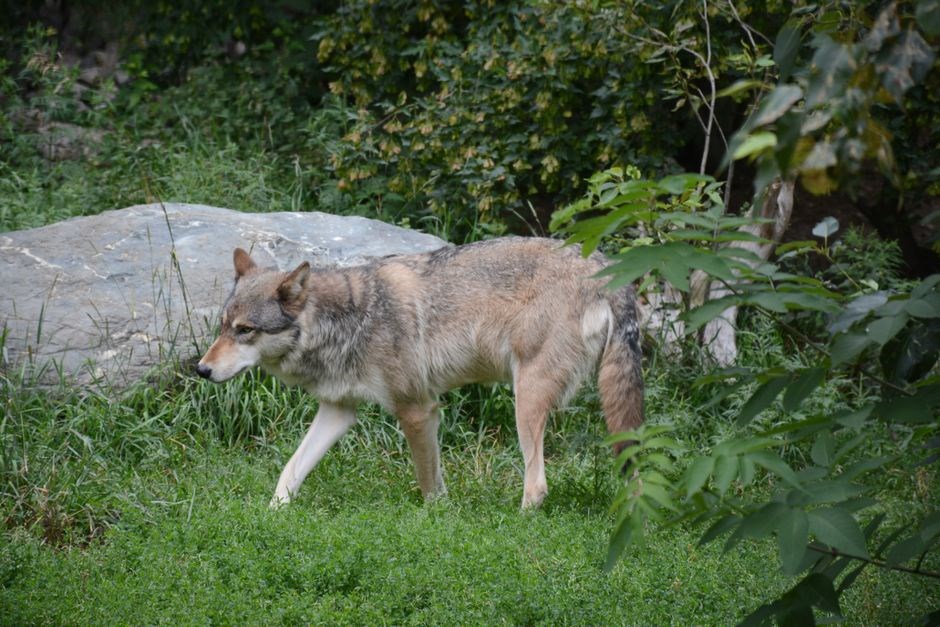
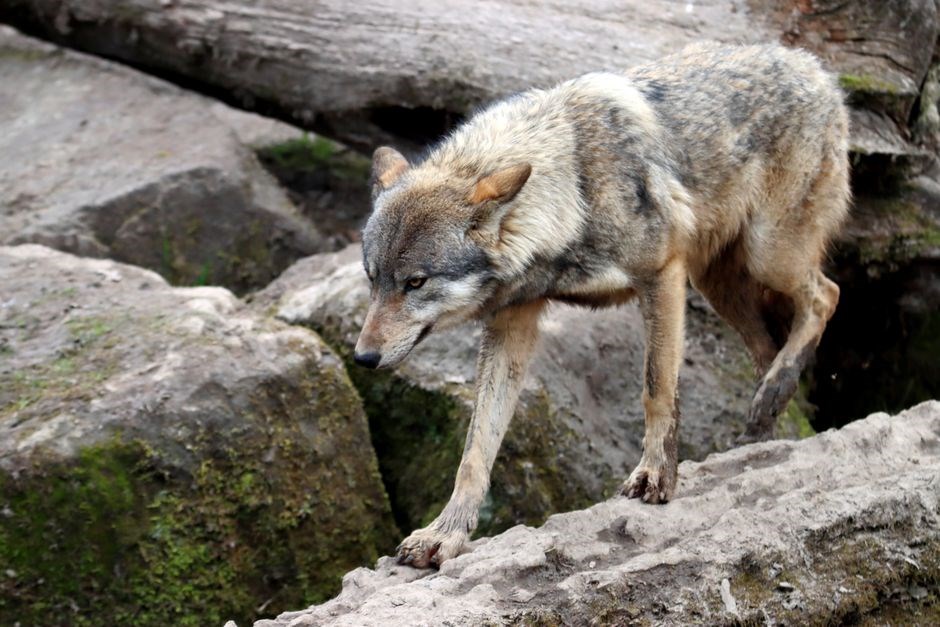
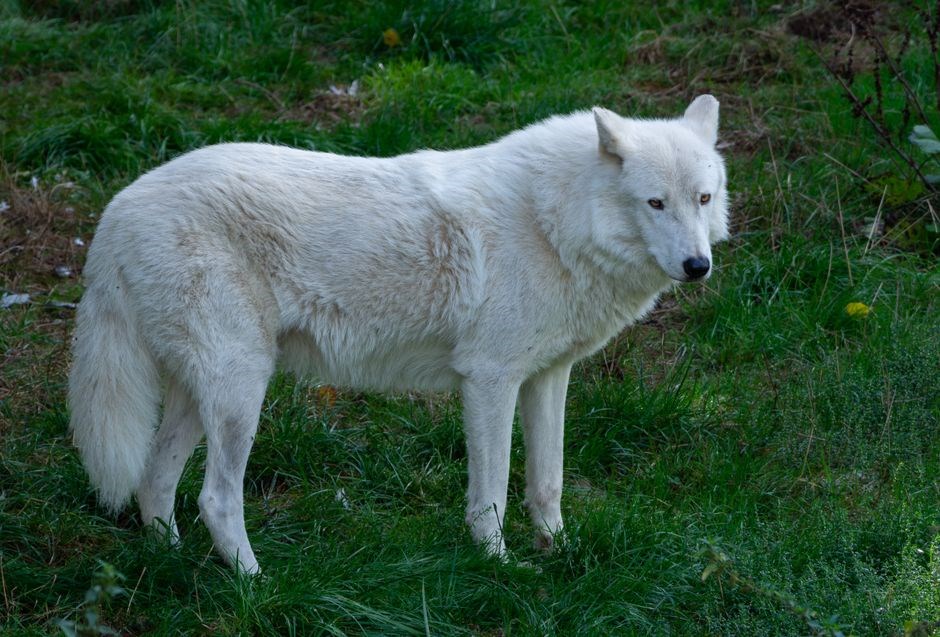
Idaho’s expansive wilderness hosts a mosaic of wolf packs, ranging from the rugged gray wolves of the Sawtooth Range to the elusive timber wolves of the Bitterroot foothills. The state’s varied topography—steep canyons, alpine ridges, and dense forest belts—creates distinct microhabitats that support multiple pack territories. Hunters in Idaho benefit from a blend of night bait hunts with thermal imaging and daytime track‑and‑chase expeditions, each tailored to the specific wolf demographic. Guides emphasize the importance of understanding pack dynamics, seasonal movement corridors, and prey availability, all of which influence hunting success. Conservation regulations in Idaho are designed to maintain predator‑prey balance, with strict bag limits, seasonal closures, and mandatory permits. Outfitters collaborate with wildlife biologists to monitor pack health and habitat use, ensuring that hunting pressure does not exceed sustainable thresholds. The state’s diverse wolf populations also offer educational opportunities, allowing hunters to observe behavioral differences between gray and timber wolves, such as denning habits, hunting strategies, and social structures. By integrating traditional tracking techniques with modern technology, Idaho guides provide a comprehensive, ethically responsible hunting experience that respects both the wildlife and the rugged landscapes that define the region.

In addition, Idaho’s wilderness boasts a network of protected areas—including the Sawtooth National Forest, the Frank Church River of No Return Wilderness, and the Caribou–Targhee National Forest—each offering unique terrain and varying wolf densities. Seasonal hunting windows are carefully scheduled to coincide with peak wolf activity, typically during late winter and early spring when packs are most active in search of prey. Hunters are encouraged to acquire specialized gear, such as infrared‑capable night vision goggles, lightweight tracking collars, and GPS‑enabled trail markers, to enhance safety and effectiveness. Local regulations mandate that all hunters obtain a valid Idaho wolf hunting license, complete a hunter education course, and adhere to strict reporting protocols to support ongoing wildlife management. By aligning hunting practices with scientific research and community stewardship, Idaho’s wolf hunting programs aim to preserve the ecological integrity of the region while offering an unparalleled adventure for seasoned trackers and novices alike.

Ontario – Patience, Mental Toughness, and Wolf Behavior Knowledge

Ontario’s wolf hunts are renowned for demanding unwavering patience, iron‑clad mental toughness, and a deep, scientific understanding of wolf behavior. Guides stress that success hinges on recognizing subtle scent trails, interpreting vocalizations, and anticipating pack movements across the province’s mixed boreal‑forest and lake‑dotted terrain. Hunters are taught to read wind direction, locate fresh kills, and use low‑light optics to spot eyeshine without disturbing the animals. The season’s limited windows—typically late February through early March—coincide with peak pack activity as wolves coordinate hunts on elk and deer. Every expedition begins with a mandatory briefing on regional pack structures, breeding cycles, and legal harvest limits, ensuring each participant respects conservation regulations. Mental resilience is tested during long days of silent tracking, where a single misstep can alert a wary pack and end the pursuit. Guides provide psychological strategies, such as controlled breathing and focused visualization, to maintain composure under pressure. Patience is rewarded when a pack’s subtle shift in direction reveals a fresh trail, allowing the hunter to position themselves for a responsible, science‑based encounter. All outings are fully supported by local wildlife agencies, with real‑time GPS monitoring and mandatory post‑hunt reporting to aid ongoing population studies. By blending rigorous preparation, expert mentorship, and respect for the ecosystem, Ontario’s guided wolf hunts deliver an unparalleled test of character and a profound connection to one of North America’s most elusive predators. Additional preparation includes nightly briefings on weather, GPS waypoint planning, and scent‑drag kits to sharpen tracking. Hunters must carry a locator beacon, satellite phone, and first‑aid kit for safety in remote zones. The province enforces a strict quota of ten wolves per season, with harvest reports submitted within 24 hours of a successful take. Ethical hunters also participate in post‑hunt carcass disposal protocols to minimize disease transmission. Many guides incorporate local Indigenous knowledge, teaching participants traditional signs such as howl timing and den proximity cues.now..

Leading Outfitters and Guides

Top outfitters combine research, boots‑on‑the‑ground expertise, and seasonal permits. Infinity Hunts tailors trips with extensive data, Linehan Outfitting runs four January‑February hunts, Sawtooth Wilderness Outfitters offers backcountry front‑country.!!

Infinity Hunts – Extensive Research and Boots-on-the-Ground Approach

Infinity Hunts delivers a uniquely scientific and field‑tested wolf hunting experience across North America’s prime predator habitats. The company’s research team spends months compiling telemetry, prey‑wolf interaction data, and seasonal movement models to identify optimal hunting zones where wolves are active yet human impact remains low. Guides maintain a permanent on‑site presence, scouting fresh tracks, confirming sign, and setting discreet bait stations equipped with thermal imaging cameras that allow night‑time detection on private land while minimizing disturbance. By partnering only with veteran wolf specialists who have logged thousands of encounters, Infinity Hunts ensures each client receives expert insight into wolf behavior, scent cues, and safe engagement tactics. Expeditions are customized to the hunter’s skill level and preferred style—whether a night‑time baited pursuit, a daylight track and chase, or a mixed‑approach adventure—while adhering to strict safety briefings, firearm handling protocols, and regional wildlife regulations. Conservation remains a core principle; every hunt is coordinated with local management plans to support balanced predator populations and ecosystem health. This blend of cutting‑edge technology, deep ecological knowledge, and responsible stewardship creates a wolf hunting journey that is both thrilling and sustainable. It honors tradition and science!!

Linehan Outfitting – Four Wolf Hunts in January and February

Linehan Outfitting has carved a niche in winter wolf hunting, offering four carefully scheduled hunts during January and February that capitalize on the season’s unique conditions. The company’s winter strategy hinges on the predictable migration patterns of wolves that move into lower elevations as snow deepens, making them more accessible to seasoned trackers. Each hunt is scheduled at the start of the month to align with the peak of wolf activity, ensuring that hunters encounter the most robust packs. Guides employ a blend of traditional tracking techniques—reading fresh footprints, interpreting scent layers, and monitoring den sites—alongside modern technology such as GPS mapping and low‑light cameras to maintain situational awareness in the harsh winter landscape. Safety protocols are rigorous: hunters receive pre‑hunt briefings on cold‑weather gear, wildlife handling, and emergency procedures, while the company ensures that all firearms are inspected and compliant with local regulations; The four hunts are spaced to allow clients to experience a range of terrains, from the rugged foothills of the Rockies to the expansive plains, each offering distinct wolf behaviors influenced by snow depth, prey availability, and human presence. By limiting the number of participants per hunt, Linehan Outfitting preserves the integrity of the experience, fostering close interactions between hunters and guides that enhance learning and respect for the ecosystem. The company’s commitment to responsible hunting is evident in its collaboration with wildlife agencies to monitor pack health and population dynamics, ensuring that the hunts contribute to sustainable predator management. Whether a seasoned hunter or a newcomer, the Linehan experience promises a memorable, ethically grounded adventure that respects both the wolf and the winter wilderness. Clients often remark that the combination of expert guidance, disciplined tracking, and the serene winter backdrop creates an atmosphere of quiet intensity that is unmatched in other hunting seasons. The company also offers post‑hunt debriefs where hunters can review tracking data, discuss wolf behavior, and plan future expeditions, reinforcing a culture of continuous learning. The winter hunts also provide an opportunity to observe wolf pack dynamics in a low‑human‑impact setting, allowing hunters to witness social interactions, pup rearing, and territorial disputes that are rarely seen in summer.

Sawtooth Wilderness Outfitters offers both backcountry and front country wolf hunts in Idaho’s majestic wilderness. Their itineraries blend remote, snow‑covered ridges with accessible trailheads, allowing hunters to experience the full spectrum of wolf behavior. Seasoned guides lead each expedition, employing traditional tracking, scent‑analysis, and low‑light thermal imaging to locate packs while respecting wildlife regulations. The company emphasizes safety, providing pre‑hunt training on cold‑weather gear, wildlife handling, and emergency protocols. Hunters benefit from flexible group sizes, ensuring personalized instruction and minimal impact on the ecosystem. After each hunt, participants can review tracking data and discuss wolf social dynamics, fostering a deeper understanding of predator ecology. Sawtooth’s commitment to responsible hunting aligns with conservation goals, helping maintain balanced predator‑prey ratios in areas where natural checks are limited. Whether you seek the thrill of a remote backcountry chase or the convenience of a front‑country pursuit, Sawtooth Wilderness Outfitters delivers a memorable, ethically grounded experience that respects both the wolf and the wilderness. The winter season offers unique opportunities as wolves move into lower elevations, and guides use GPS mapping to track movement patterns. After each hunt, a debrief session allows hunters to refine techniques! Clients praise the company’s professionalism, noting the blend of adventure and education.

Pricing and Packages

Standard Group Hunt (2 Hunters, 1 Guide) – $4,500. One‑on‑One Guided Experience – $5,000. Book directly for best price guarantee. All hunts include gear, permits, and expert guidance. Prices reflect season, location, and package length. All fees include transportation, lodging, and meals. Seasonal variations may adjust rates slightly. Contact us now! 2026

Standard Group Hunt (2 Hunters, 1 Guide) – $4,500

Our standard group hunt pairs two hunters with an experienced guide for a full‑day wolf pursuit in prime North American locations. For a flat fee of $4,500 you receive comprehensive support: professional guide expertise, all necessary permits, high‑quality field gear, thermal imaging equipment where allowed, and a detailed pre‑hunt briefing on wolf behavior and safety. The package also covers transportation to and from the launch site, on‑site lodging in comfortable cabins or tents, three hot meals per day, and all consumables such as fuel, ammunition, and safety supplies. We work closely with top outfitters like Infinity Hunts, Linehan Outfitting, and Sawtooth Wilderness Outfitters to ensure prime hunting grounds, whether you prefer night bait hunts on private land or daylight track‑and‑chase adventures. Our best‑price guarantee means you won’t find a lower rate for an equivalent experience elsewhere. Seasonal adjustments may apply; rates are reviewed each year to reflect changes in regulations, access fees, and guide availability. To secure your spot, contact our booking team at least 30 days in advance, provide proof of hunter education, and confirm your preferred dates. Cancellation policies require a 48‑hour notice for a full refund; later changes incur a 25% fee. All participants must adhere to local wildlife regulations, carry required safety equipment, and respect the ethical standards of managed wolf hunting. This all‑inclusive package is designed for hunters seeking a balanced blend of challenge, education, and responsible stewardship while creating lasting memories in the wild

One-on-One Guided Experience – $5,000

Our premium one‑on‑one guided experience pairs a single hunter with a veteran wolf specialist for a personalized, full‑day expedition in the most productive North American wolf territories. For $5,000 the package includes a dedicated guide, all required state and federal permits, top‑tier field equipment, and a thermal imaging system for night bait hunts on private land where legal. You also receive round‑trip transportation from the nearest airport to the launch point, premium lodging in a heated cabin or high‑altitude tent, three gourmet meals prepared on site, and all consumables such as fuel, ammunition, and safety gear. We collaborate with leading outfitters—Infinity Hunts, Linehan Outfitting, and Sawtooth Wilderness Outfitters to secure optimal hunting zones, whether you prefer nocturnal baiting or daylight track‑and‑chase tactics. Our best‑price guarantee ensures you receive the most competitive rate for an equivalent service. Booking must be completed at least 30 days before the desired date, with proof of hunter education and a signed waiver. A 48‑hour cancellation yields a full refund; later changes incur a 25 % fee. Participants must follow all local wildlife regulations, carry mandatory safety equipment, and uphold the ethical standards of managed wolf hunting. This package delivers focus, helping you refine tracking skills, understand wolf behavior, and enjoy a successful hunt supporting predator management today!!!!

Conservation and Regulation

Managed wolf hunting is a strategic tool used to maintain predator‑prey balance in ecosystems where natural checks are limited. By carefully regulating harvest quotas, seasons, and bag limits, wildlife agencies ensure that wolf populations remain healthy while protecting livestock and preserving biodiversity. All guided hunts must adhere to state and federal regulations, including obtaining proper permits, following designated hunting zones, and respecting protected species. Guides are required to be licensed, undergo continuous training, and maintain accurate harvest records. These records feed into scientific studies that monitor population dynamics, health, and genetic diversity. Ethical hunting practices—such as using non‑lethal tracking methods, minimizing disturbance, and ensuring humane kills—are emphasized in every expedition. Conservation groups collaborate with outfitters to develop adaptive management plans that respond to changing environmental conditions and community concerns. Hunters are encouraged to support local conservation initiatives, contribute to research funds, and participate in educational outreach. By integrating rigorous regulation with responsible stewardship, guided wolf hunts help sustain viable wolf populations, protect ecological integrity, and foster coexistence between humans and wildlife. Such regulated hunts also provide data for adaptive management, ensuring that wolf populations remain resilient while supporting the livelihoods of ranchers and wild ecosystem