evviva sciences mold guide

The Evviva Sciences Mold Guide is a comprehensive resource for identifying and understanding mold types‚ offering detailed insights into characteristics‚ growth patterns‚ and associated health risks. It supports users in detecting mold presence through DIY testing kits and provides optional lab analysis for accurate results‚ ensuring a safe and informed environment.

1.1 What is the Evviva Sciences Mold Guide?

The Evviva Sciences Mold Guide is a detailed resource designed to help users identify and understand mold types. It includes a comprehensive mold test kit‚ optional lab analysis‚ and a downloadable guide with images and information on common molds. The guide empowers individuals to detect mold‚ interpret results‚ and take proactive steps to ensure a safe and healthy indoor environment.

1.2 Importance of Mold Identification

Mold identification is crucial for addressing health risks and preventing further contamination. It helps determine the type of mold‚ its potential hazards‚ and necessary remediation steps. Accurate identification ensures effective solutions‚ safeguarding indoor air quality and occupant health. The Evviva Sciences Mold Guide plays a key role in empowering users to make informed decisions for a safer environment.

1.3 Key Components of the Guide

The Evviva Sciences Mold Guide includes detailed information on mold species‚ their characteristics‚ growth patterns‚ and associated health risks. It provides practical strategies for prevention and remediation‚ along with a downloadable mold identification guide for visual reference. The guide also offers insights into optional lab analysis for accurate mold identification‚ ensuring users have comprehensive tools to address mold-related concerns effectively.

Features of the Evviva Sciences Mold Test Kit

The Evviva Sciences Mold Test Kit includes multiple agar petri dishes‚ cotton-tipped swabs‚ and a downloadable mold identification guide. It allows testing of HVAC systems‚ surfaces‚ and air quality‚ providing a versatile solution for comprehensive mold detection and analysis.

2.1 Overview of the Test Kit

The Evviva Sciences Mold Test Kit is a DIY solution designed for detecting mold in homes and offices. It includes 10 agar petri dishes‚ cotton-tipped swabs‚ and a downloadable mold identification guide. The kit allows users to test surfaces‚ HVAC systems‚ and indoor air quality‚ providing a comprehensive tool for identifying mold presence and ensuring accurate results for further analysis or remediation.

2.2 Components Included

The Evviva Sciences Mold Test Kit includes 10 agar petri dishes‚ 10 cotton-tipped swabs‚ and a downloadable mold identification guide. It also offers an optional lab analysis service for professional results. These components provide a complete solution for detecting and identifying mold in various environments‚ ensuring accurate and reliable outcomes for home or office use.

2.3 Advantages of the Kit

The Evviva Sciences Mold Test Kit offers ease of use‚ cost-effectiveness‚ and versatility. It allows testing of multiple areas‚ including HVAC systems and surfaces. The kit’s components enable easy sample collection‚ and optional lab analysis provides professional accuracy. These features make it an ideal choice for comprehensive mold detection and identification‚ ensuring reliable results for home assessments.

How to Use the Mold Test Kit

The Evviva Sciences Mold Test Kit is designed for easy use. Prepare a clean workspace‚ collect samples using swabs‚ incubate petri dishes‚ and compare results with the provided guide for accurate mold detection.

3.1 Step-by-Step Instructions

Prepare a clean workspace and carefully open the petri dishes. Use swabs to collect samples from surfaces or air. Seal dishes and incubate in a cool‚ dark place for 48 hours. After incubation‚ observe growth patterns and compare with the mold identification guide for preliminary results. For precise identification‚ optional lab analysis is available through EMSL.

3.2 Tips for Accurate Results

Ensure a clean workspace to prevent contamination. Use swabs correctly‚ following the guide’s instructions. Incubate dishes in a dark‚ cool area for 48 hours. Avoid direct sunlight and moisture. Compare growth patterns with the mold identification guide for initial insights. For precise results‚ consider optional lab analysis through EMSL‚ ensuring accurate genus-level identification and reliable outcomes.

Understanding Mold Test Results

Understanding mold test results is crucial for effective mold management. The mold identification guide helps visualize growth patterns‚ while optional lab analysis ensures accurate species identification for informed decision-making.

4.1 Interpreting Growth Patterns

The Evviva Sciences Mold Guide aids in interpreting growth patterns by comparing samples to reference images. Patterns like fuzzy‚ powdery‚ or velvety textures help identify mold types. The guide provides visual comparisons‚ enabling users to recognize common species such as Aspergillus or Penicillium; While the guide simplifies initial identification‚ professional lab analysis is recommended for precise species confirmation and effective remediation planning.

4.2 Common Mold Types Identified

The Evviva Sciences Mold Guide identifies common mold types like Aspergillus‚ Penicillium‚ and Cladosporium‚ frequently found in indoor environments. These molds are often detected through visual comparisons using the guide’s images and descriptions. Accurate identification is crucial for understanding health risks and implementing effective remediation strategies‚ making the guide a valuable tool for homeowners and professionals alike.

Health Risks Associated with Mold Exposure

Mold exposure can trigger allergies‚ respiratory issues‚ and infections‚ particularly in vulnerable populations like children‚ the elderly‚ and those with weakened immune systems. The guide helps users understand these risks and their implications for health and safety.

5.1 Common Health Issues

Exposure to mold can lead to allergies‚ respiratory problems‚ and infections‚ particularly in vulnerable populations. The Evviva Sciences Mold Guide highlights these risks‚ emphasizing how prolonged exposure can exacerbate conditions like asthma and weaken immune systems‚ especially in children‚ the elderly‚ and those with pre-existing health conditions.

5.2 Vulnerable Populations

Certain groups are more susceptible to mold-related health issues‚ including infants‚ young children‚ the elderly‚ and individuals with weakened immune systems. People with pre-existing conditions like asthma or chronic lung diseases are also at higher risk. The Evviva Sciences Mold Guide emphasizes the importance of protecting these vulnerable populations from mold exposure to prevent severe health complications.

Mold Prevention and Remediation Strategies

Prevent mold growth by controlling humidity‚ improving ventilation‚ and fixing water leaks promptly. Remediation involves cleaning or replacing contaminated materials and addressing underlying moisture issues effectively.

6.1 Preventing Mold Growth

Preventing mold growth requires controlling humidity‚ fixing water leaks‚ and improving ventilation. Regular inspections and cleaning surfaces can reduce mold risks. The Evviva Sciences Mold Test Kit helps detect mold early‚ allowing prompt action. Addressing moisture issues and promoting a dry environment are crucial for preventing mold growth and maintaining a healthy space.

6.2 Remediation Best Practices

Effective mold remediation involves professional assessment and containment to prevent spore spread. Use personal protective equipment and specialized cleaning solutions. Dispose of contaminated materials safely. The Evviva Sciences Mold Test Kit and EMSL lab analysis help confirm removal success. Post-remediation testing ensures a clean environment‚ while the downloadable guide provides visual references for verifying mold elimination and restoring safety.

The Role of EMSL in Mold Testing

EMSL‚ a leading AIHA EMLAP-accredited lab‚ provides precise mold analysis‚ offering accurate genus-level identification. Their expertise ensures reliable results‚ supporting effective mold remediation strategies and safe environments.

7.1 Overview of EMSL

EMSL is a leading‚ AIHA EMLAP-accredited laboratory specializing in advanced mold testing and analysis. With a focus on accuracy and reliability‚ EMSL provides detailed genus-level mold identification‚ supporting the Evviva Sciences Mold Test Kit by delivering precise results for effective mold remediation strategies and ensuring safer indoor environments through their expertise.

7.2 Benefits of Their Analysis

EMSL’s analysis provides accurate genus-level mold identification‚ crucial for understanding specific mold types and their implications. Their expertise ensures precise results‚ aiding in effective remediation strategies. This detailed analysis supports informed decision-making‚ offering homeowners and professionals reliable data to address mold issues confidently and create a safer indoor environment.

Cost Considerations and Optional Services

The Evviva Sciences Mold Test Kit is affordably priced‚ offering 10 tests for comprehensive mold detection. Optional lab analysis is available for $45 per dish‚ ensuring accurate results.

8.1 Pricing of the Test Kit

The Evviva Sciences Mold Test Kit is priced affordably‚ offering a 10-test option for comprehensive mold detection. Each kit includes agar petri dishes‚ swabs‚ and a downloadable guide. The cost-effective solution provides value for homeowners seeking to assess mold presence‚ with optional lab analysis available for precise results at an additional fee per sample.

8.2 Cost of Lab Analysis

The optional lab analysis for the Evviva Sciences Mold Test Kit incurs an additional fee of $45 per sample. This service‚ conducted by EMSL‚ a leading accredited laboratory‚ provides precise genus-level mold identification. The cost ensures accurate results‚ aiding in targeted remediation efforts and offering peace of mind for homeowners seeking detailed mold assessment.

DIY Mold Testing vs. Professional Services

The Evviva Sciences Mold Test Kit offers a cost-effective‚ user-friendly DIY solution for initial mold detection‚ while professional services provide precise‚ detailed results for severe or complex mold issues.

9.1 Pros and Cons of DIY

The Evviva Sciences Mold Test Kit offers a cost-effective‚ user-friendly DIY solution for initial mold detection. It provides convenience and basic insights but may lack the accuracy of professional lab analysis. While it’s ideal for preliminary assessments‚ DIY testing may not detect all mold species or severity‚ potentially requiring additional lab fees for detailed results.

9.2 When to Hire Professionals

Professional mold testing is recommended when DIY results are inconclusive or mold growth is widespread. Experts like EMSL provide advanced lab analysis for accurate genus-level identification‚ ensuring precise results. Hiring professionals is crucial for severe mold infestations‚ persistent health concerns‚ or when legal documentation is required‚ offering comprehensive solutions and remediation guidance.

Troubleshooting Common Issues

Common issues include contamination or unclear results. Ensure proper sample collection and follow incubation guidelines. For persistent problems‚ consult the guide or opt for professional lab analysis.

10.1 Resolving Testing Issues

Common testing issues include contamination or unclear results. Ensure proper sample collection‚ clean workspace‚ and correct incubation. Follow guide instructions for swabbing and sealing dishes. If issues persist‚ consult the guide or opt for professional lab analysis through EMSL for accurate results and detailed insights.

10.2 Avoiding Contamination

To prevent contamination‚ handle petri dishes and swabs carefully‚ avoiding direct contact with surfaces or air. Work in a clean‚ dust-free space and ensure all materials are sterile. Follow the guide’s instructions for proper swabbing techniques and seal dishes immediately after sampling. Maintain a clean workspace to minimize exposure to airborne particles and potential mold spores.

Environmental Impact of Mold

Mold significantly impacts indoor air quality and degrades building materials‚ posing environmental and health risks. The Evviva Sciences Mold Guide helps address these issues effectively.

11.1 Effects on Indoor Air Quality

Mold growth significantly degrades indoor air quality by releasing spores and mycotoxins‚ which can cause respiratory issues and allergic reactions. The Evviva Sciences Mold Guide emphasizes the importance of early detection and remediation to maintain healthy indoor environments and prevent long-term air quality damage.

11.2 Impact on Building Materials

Mold infestation can severely damage building materials like wood‚ drywall‚ and insulation by breaking down their structural integrity. The Evviva Sciences Mold Guide highlights how unchecked mold growth leads to costly repairs and potential safety hazards‚ underscoring the need for prompt identification and remediation to preserve the durability and safety of buildings.

Case Studies and Success Stories

The Evviva Sciences Mold Guide has empowered numerous users to successfully identify and address mold issues in their homes and offices‚ fostering safer and healthier environments through practical solutions and clear guidance.

12.1 Real-Life Applications

The Evviva Sciences Mold Guide has been instrumental in real-world scenarios‚ empowering users to identify mold in homes‚ offices‚ and HVAC systems. Its detailed instructions and visual aids enable individuals to detect mold accurately‚ ensuring timely remediation. The guide’s practical approach has helped countless users address mold-related issues‚ promoting healthier indoor environments and preventing potential health risks associated with mold exposure.

12.2 Success Stories

Users of the Evviva Sciences Mold Guide have shared numerous success stories‚ highlighting its effectiveness in identifying and addressing mold issues. Homeowners have successfully detected mold in basements and bathrooms‚ while professionals have utilized the guide to pinpoint contamination sources in commercial settings. These real-life applications demonstrate the guide’s practical value in promoting healthier indoor environments and preventing mold-related risks.

The Future of Mold Testing Technology

Advancements in mold testing technology‚ including AI-driven analysis and rapid detection methods‚ are revolutionizing the industry‚ with Evviva Sciences leading innovations for accurate and efficient solutions.

13.1 Emerging Trends

Emerging trends in mold testing include AI-driven analysis‚ rapid detection methods‚ and portable devices for real-time results. These advancements enhance accuracy and efficiency‚ enabling quicker identification of mold species. Evviva Sciences is at the forefront‚ integrating cutting-edge technologies with their test kits to provide users with precise and timely data‚ ensuring better decision-making for mold remediation and environmental safety.

13.2 Role of Evviva Sciences

Evviva Sciences plays a pivotal role in advancing mold testing technology by providing innovative‚ user-friendly solutions. Their test kits and guides empower individuals to identify mold accurately‚ while optional lab analysis through EMSL ensures precise results. Evviva Sciences is committed to making mold testing accessible‚ fostering education‚ and promoting environmental safety through reliable and cutting-edge tools.

The Science Behind Mold Growth

Mold is a fungus‚ not a plant or animal‚ playing a crucial role in decomposing organic matter. It grows by spreading spores that develop into hyphae‚ forming mycelium. Environmental factors like moisture‚ temperature‚ and nutrients significantly influence its growth patterns and reproduction.

14.1 Biology of Mold

Mold is a type of fungus‚ consisting of hyphae that form a network called mycelium. It reproduces via spores‚ which can be airborne and grow under suitable conditions. Mold plays a key role in decomposing organic matter but can also thrive indoors‚ posing health risks. Understanding its biology is essential for effective identification and remediation‚ as outlined in the Evviva Sciences Mold Guide.

14.2 Factors Influencing Growth

Mold growth is influenced by moisture‚ humidity‚ temperature‚ and the presence of organic matter. Damp environments‚ poor ventilation‚ and water damage create ideal conditions for mold to thrive. The Evviva Sciences Mold Guide highlights these factors‚ emphasizing the importance of controlling humidity and addressing water issues to prevent mold proliferation in indoor spaces.

Legal and Regulatory Considerations

Understanding legal standards and regulations surrounding mold is crucial for compliance and liability. The Evviva Sciences Mold Guide helps users navigate these requirements‚ ensuring adherence to local laws and safety protocols.

15.1 Regulations Surrounding Mold

Understanding mold-related regulations is essential for legal compliance and safety. The Evviva Sciences Mold Guide outlines key laws and standards‚ helping users navigate local and national regulations to avoid liability and ensure safe remediation practices.

15.2 Legal Implications of Mold Presence

Mold presence can lead to legal consequences‚ including lawsuits and financial penalties‚ particularly in cases of negligence or failure to address health risks. The Evviva Sciences Mold Guide helps users understand these implications‚ emphasizing the importance of proper documentation and remediation to avoid legal disputes and ensure compliance with regulatory standards.

The Evviva Sciences Mold Guide empowers users with essential knowledge and tools to identify‚ prevent‚ and address mold-related issues confidently‚ ensuring a safer and healthier environment.

16.1 Summary of the Guide

The Evviva Sciences Mold Guide is a comprehensive resource offering detailed information on mold identification‚ testing‚ and prevention. It includes DIY testing kits‚ health risk insights‚ and remediation strategies‚ ensuring users can address mold issues effectively. The guide also provides optional lab analysis for precise results‚ empowering individuals to create a safer and healthier indoor environment with confidence.

16.2 Final Thoughts

The Evviva Sciences Mold Guide empowers users to take control of their indoor environments by providing essential tools and knowledge for mold identification and prevention. With its comprehensive approach‚ the guide fosters confidence in addressing mold-related concerns‚ ensuring a safer and healthier space. It stands as a valuable resource for proactive mold management and maintaining a clean‚ mold-free home or office.

a pocket guide to public speaking pdf

A Pocket Guide to Public Speaking offers a concise yet comprehensive overview of public speaking, covering topics like research, organization, and delivery․ Designed for students and professionals, it provides practical advice on adapting to audiences and using inclusive language, making it an invaluable resource for improving communication skills in various settings․

Overview of Public Speaking Basics

A Pocket Guide to Public Speaking provides a foundational understanding of public speaking, covering essential topics such as invention, research, organization, and delivery․ It offers practical guidance on adapting to audiences, using inclusive language, and selecting organizational patterns․ The guide addresses challenges faced by ESL students and includes advice on digital tools and online presentations․ Its concise format makes it accessible for academic, professional, and community settings, ensuring readers gain the skills to deliver polished speeches and presentations effectively․ This resource is ideal for anyone seeking to improve their communication abilities․

Importance of Effective Communication

A Pocket Guide to Public Speaking emphasizes the importance of effective communication in conveying ideas clearly and engaging audiences․ It highlights how well-structured messages can build connections and inspire action․ The guide underscores the role of inclusive language and audience adaptation in ensuring messages resonate․ By mastering these skills, speakers can communicate more confidently and persuasively, whether in academic, professional, or community settings․ Effective communication is not just about speaking but also about being understood and making a lasting impact․

Key Objectives of Public Speaking

A Pocket Guide to Public Speaking outlines the key objectives of public speaking, focusing on clear expression of ideas, audience engagement, and persuasion․ It emphasizes the importance of organizing content logically to ensure coherence and impact․ The guide also highlights the need to adapt messages to different audiences, ensuring relevance and effectiveness․ By achieving these objectives, speakers can communicate confidently, inspire action, and foster meaningful connections; These principles are essential for delivering polished speeches and presentations in various settings, from classrooms to professional environments․

Audience Analysis and Adaptation

Understanding audience needs, interests, and expectations is crucial for effective communication․ Tailoring your message ensures relevance and engagement, fostering a meaningful connection with your listeners․

Understanding Audience Demographics

Audience demographics include age, gender, education level, occupation, and cultural background․ Analyzing these factors helps tailor your message to their needs and preferences․ For example, younger audiences may respond better to modern references, while professionals might value data-driven insights․ Understanding demographics ensures your content is relevant and engaging․ It also helps anticipate potential questions and concerns, allowing you to address them proactively․ Additionally, cultural sensitivity is key to building rapport and avoiding misunderstandings․ By aligning your speech with demographic insights, you create a more impactful and relatable experience for your audience․

Analyzing Audience Psychographics

Psychographics involve understanding an audience’s values, attitudes, interests, and lifestyle․ This helps tailor your message to their beliefs and preferences․ For instance, identifying whether the audience is conservative or progressive can shape your tone and examples․ Interests and hobbies also guide content relevance․ Analyzing psychographics ensures your speech resonates emotionally and intellectually․ It helps anticipate their reactions and aligns your goals with their expectations․ By addressing their values, you build trust and credibility, making your speech more persuasive and memorable․ Psychographics add depth to your audience analysis, enabling a more personalized and impactful presentation․ This connection fosters engagement and mutual understanding․

Adapting Your Message to the Audience

Adapting your message ensures it resonates with your audience’s needs and preferences․ Start by understanding their background, values, and expectations; Adjust your language, tone, and examples to align with their perspective․ Tailor your content to address their interests and concerns․ Use persuasive elements like logic, emotion, or storytelling based on what motivates them․ Be flexible in delivery, adjusting pace and emphasis to maintain engagement․ Adaptation fosters connection, making your speech more relatable and impactful․ It demonstrates respect for the audience and enhances your credibility as a speaker․ This approach ensures your message is both meaningful and memorable to your listeners․

Research and Organization

Research and organization are crucial for effective public speaking․ Thorough research forms the foundation, while logical structure ensures clarity and flow, engaging your audience and conveying your message effectively․

Conducting Research for Your Speech

Conducting research is essential for crafting a well-informed and engaging speech․ Start by identifying credible sources such as academic journals, books, and reputable websites․ Gather relevant data, statistics, and expert opinions to support your arguments․ Organize your findings into key points, ensuring they align with your speech’s purpose and audience needs․ Use note-taking techniques to categorize information, making it easier to reference during drafting․ Always verify facts to maintain credibility and avoid misinformation; Effective research lays the groundwork for a persuasive and impactful speech, helping you connect with your audience and achieve your communication goals․

Organizing Your Speech Structure

Organizing your speech structure is crucial for clarity and engagement․ Begin with an introduction that grabs attention and states your thesis․ Follow with a body that presents main points logically, supported by evidence and examples․ Use transitions to connect ideas smoothly․ Conclude by summarizing key points and reinforcing your message․ Ensure each section aligns with your audience’s interests and needs․ A clear structure helps maintain focus, making your speech more impactful and easier to follow․ Proper organization enhances credibility and ensures your message resonates effectively with the audience․

Creating an Effective Outline

A well-crafted outline is essential for a coherent and persuasive speech․ Start with a clear title and thesis statement․ Divide your speech into introduction, body, and conclusion․ Use bullet points for main ideas and subpoints for supporting details․ Ensure each section aligns with your thesis․ Balance your structure to avoid overloaded sections․ Use Roman numerals or letters for main points and indent subpoints․ This hierarchical approach ensures logical flow and helps maintain audience engagement․ A strong outline serves as a roadmap, guiding you through your speech with confidence and clarity․

Practice and Delivery

Practice and delivery are critical for impactful public speaking․ Rehearse thoroughly, focusing on vocal modulation, pacing, and gestures․ Engage your audience with eye contact and confident body language․

Rehearsing Your Speech

Rehearsing your speech is essential for mastering delivery and content․ Practice aloud to refine tone, pacing, and inflection․ Rehearse in front of others to gather feedback and adapt to audience reactions․ Time yourself to ensure your speech fits within the allotted period․ Record your rehearsals to identify areas for improvement, such as filler words or awkward pauses․ Practice in the actual speaking environment to familiarize yourself with the space․ Consistent rehearsal builds confidence and ensures a polished performance․ Stay flexible to make final adjustments based on practice insights․

Mastering Vocal and Nonverbal Delivery

Mastering vocal and nonverbal delivery enhances your speech’s impact․ Use a strong, clear voice with proper pitch and tone to engage listeners․ Vary your pace to emphasize key points and maintain audience interest․ Practice projection to ensure your voice reaches everyone․ Nonverbal cues, such as gestures, facial expressions, and eye contact, convey confidence and sincerity․ Stand tall, use purposeful body language, and avoid distracting movements․ Align your nonverbal signals with your message to create consistency and credibility․ These elements work together to make your delivery more compelling and professional․

Handling Stage Fright and Nervousness

Stage fright and nervousness are natural when speaking in public․ To manage them, practice deep breathing exercises to calm your nerves․ Focus on your message rather than your anxiety, and remind yourself that nervousness can enhance your performance․ Visualize success and engage with your audience to build connection․ Reframe nervous energy as excitement, and accept that some level of nervousness is normal․ Overprepare your material to boost confidence, and gradually expose yourself to speaking opportunities to become more comfortable․ Remember, confidence grows with practice and experience․

Visual Aids and Presentation Tools

Visual aids like slides, charts, and images enhance presentations by making information clearer and engaging audiences․ Use tools like PowerPoint or Canva to design visually appealing slides․ Avoid clutter, focus on key points, and use high-quality visuals․ Practice integrating multimedia elements like videos or audio to captivate your audience․ Ensure all tools support your message and are easy to navigate during delivery․ Effective use of visual aids can significantly improve audience understanding and retention of your speech․

Using Visual Aids Effectively

Visual aids enhance presentations by making complex ideas clearer and engaging audiences visually․ Use slides, charts, or images to support key points, ensuring they align with your message․ Keep designs simple and uncluttered, with readable fonts and consistent color schemes․ Avoid overloading slides with text; instead, use bullet points and visuals to convey information concisely․ Ensure visuals are high-quality and relevant to maintain professionalism․ Practice using aids during rehearsals to seamlessly integrate them into your delivery․ Effective use of visual aids can enhance audience understanding, retention, and overall engagement with your speech․

Best Practices for Creating Slides

When creating slides, prioritize clarity and conciseness․ Limit text to key points, using bullet points or short phrases․ Avoid clutter by minimizing animations and transitions․ Use high-quality images and graphics that reinforce your message․ Maintain consistent fonts, colors, and layouts for a professional look․ Ensure slides are readable from a distance, with font sizes of at least 24-point for headings․ Apply the 6×6 rule: no more than six words per line and six lines per slide․ Focus on visuals that complement your speech, rather than distract․ Tailor slides to your audience, ensuring they enhance understanding and engagement without overwhelming viewers․

Incorporating Multimedia Elements

Incorporating multimedia elements like videos, audio clips, or animations can enhance engagement and clarify complex ideas․ Use relevant visuals to support your message, ensuring they align with your speech’s purpose․ Videos should be short and impactful, while audio clips must be clear and well-timed․ Avoid overloading slides with excessive animations, as they can distract․ Instead, use subtle transitions to maintain a professional look․ Infographics and charts are excellent for presenting data visually․ Ensure all multimedia elements are synchronized with your speech and tailored to your audience for maximum impact․ This approach makes your presentation dynamic and memorable․

Types of Speeches

Types of speeches include informative, persuasive, and special occasion․ Each serves unique purposes, from educating audiences to celebrating milestones, ensuring messages resonate effectively always․

Informative Speeches

Informative speeches aim to educate or share knowledge on a specific topic․ Speakers present facts, data, or insights to enlighten the audience․ The goal is to inform, not persuade․ Effective informative speeches require clear organization, starting with an introduction, followed by detailed explanations in the body, and ending with a concise conclusion․ Using visual aids, examples, and storytelling can enhance engagement․ Speakers should avoid jargon and ensure content is accessible to all listeners․ Practicing clarity and pacing helps deliver information effectively, making the speech both informative and memorable for the audience․

Persuasive Speeches

Persuasive speeches aim to convince the audience to adopt a particular viewpoint or take action․ Speakers use compelling arguments, emotional appeals, and logical evidence to influence their listeners․ The structure typically includes a strong opening to grab attention, evidence-based arguments, and a persuasive conclusion․ Understanding the audience’s values and beliefs is crucial to crafting effective persuasive content․ Speakers may also address counterarguments to strengthen their position․ Delivering with confidence and passion enhances the speech’s impact, making it more likely to sway the audience’s opinions or motivate them to act accordingly․ Ethos, pathos, and logos are key tools in persuasion․

Special Occasion Speeches

Special occasion speeches are delivered during events like weddings, graduations, or eulogies, aiming to celebrate, commemorate, or inspire․ These speeches require a tone that matches the event’s mood, whether formal, heartfelt, or motivational․ Speakers should connect emotionally with the audience while honoring the occasion․ Key elements include a heartfelt opening, personal anecdotes, and an uplifting closing․ The speech should be tailored to the event’s significance, ensuring it resonates with listeners and leaves a lasting impression․ Adaptability and sincerity are essential to make the speech memorable and appropriate for the occasion․

Overcoming Public Speaking Anxiety

Overcoming public speaking anxiety involves understanding its roots, preparing thoroughly, and adopting a positive mindset․ Practice and gradual exposure to speaking situations can build confidence and reduce fear․

Understanding Speech Anxiety

Speech anxiety, or glossophobia, is a common phenomenon where individuals experience nervousness or fear when speaking in public․ It manifests physically, such as through rapid heartbeat or sweating, and psychologically, like fearing judgment or embarrassment․ Understanding its roots—whether from past experiences, fear of evaluation, or genetic predispositions—is crucial․ While it can hinder performance, some level of anxiety can enhance focus and energy․ Recognizing and accepting these feelings is the first step toward managing them effectively․ This awareness helps speakers develop strategies to channel anxiety into positive outcomes, fostering confidence and improving communication skills over time․

Techniques to Reduce Nervousness

To manage public speaking anxiety, several techniques can be employed․ Deep breathing exercises help calm the nervous system, while positive visualization focuses the mind on successful outcomes․ Physical relaxation techniques, such as shoulder rolls or light stretching, reduce tension․ Reframing nervousness as excitement can shift perspective․ Focusing on the audience’s needs rather than self-image also eases stress․ Gradual exposure to speaking situations and thorough preparation boost confidence․ These strategies, when practiced consistently, help speakers navigate nervousness and deliver their messages effectively, fostering a more comfortable and engaging experience․

Building Confidence as a Speaker

Building confidence as a speaker involves preparation, practice, and a positive mindset․ Start by setting realistic expectations and celebrating small successes; Focus on your strengths and the value you bring to the audience․ Learning from feedback, rather than fearing criticism, helps refine your skills․ Embrace opportunities to speak, as experience builds assurance․ Additionally, understanding that most audiences want you to succeed can shift your perspective․ Over time, consistent effort and self-encouragement will foster confidence, enabling you to connect effectively and deliver impactful speeches with ease and assurance․ Confidence grows with each step forward․

Digital Tools and Online Presentations

Digital tools empower speakers to craft and deliver engaging online presentations, leveraging technology for preparation, virtual delivery, and audience interaction, enhancing overall communication effectiveness globally․

Using Technology for Speech Preparation

Technology enhances speech preparation through AI tools for drafting, mind mapping apps for organizing ideas, and presentation software like PowerPoint or Canva for designing visuals․ Practice tools like speech-to-text apps and virtual reality platforms simulate real audiences, helping refine delivery․ Collaboration tools enable feedback sharing and real-time editing․ Digital resources provide access to templates, research materials, and tutorials, streamlining preparation․ These tools not only save time but also improve engagement and clarity, ensuring a polished presentation․ Leveraging technology transforms speech preparation into a more efficient and creative process․

Delivering Speeches in Virtual Settings

Delivering speeches in virtual settings requires adaptability and engagement strategies․ Use video conferencing tools like Zoom or Teams effectively, ensuring a stable internet connection and proper lighting․ Engage your audience with interactive elements such as polls, Q&A sessions, and chat interactions․ Maintain eye contact with the camera to simulate in-person connection․ Minimize distractions by choosing a quiet environment and dressing professionally․ Practice your delivery to adapt to the virtual format, focusing on clear enunciation and gestures․ Leveraging these techniques enhances your virtual presentation’s impact and keeps your audience attentive and involved․

Engaging Audiences Online

Engaging audiences online involves using interactive tools and dynamic content․ Incorporate polls, Q&A sessions, and chat interactions to encourage participation․ Use high-quality visuals and dynamic slides to capture attention․ Avoid clutter and ensure content is concise․ Encourage audience participation through questions or discussions․ Use body language and eye contact with the camera to maintain connection․ Leverage storytelling and humor to keep the audience interested․ Consistent interaction helps build rapport and keeps the audience focused․ These strategies ensure your online presentation is memorable and impactful, fostering a sense of connection despite the virtual setting․

Public speaking is a vital skill for effective communication and audience connection․ Continuous practice builds confidence and clarity․ Empower yourself to speak with purpose․

Mastering public speaking involves understanding your audience, organizing content clearly, and delivering with confidence․ Adapt your message to audience demographics and psychographics for greater impact․ Effective speeches require thorough research, a structured outline, and regular practice․ Manage nervousness with preparation and relaxation techniques․ Use visual aids wisely to enhance engagement without distracting․ Whether informative, persuasive, or for special occasions, tailor your approach to the context․ Continuous improvement and embracing feedback are essential for growth․ Remember, public speaking is a skill that evolves with persistence and practice, helping you communicate ideas with clarity and confidence․

Continuous Improvement in Public Speaking

Continuous improvement in public speaking requires consistent practice, feedback, and self-reflection․ Seek opportunities to speak regularly and refine your skills through repetition․ Record your speeches to identify areas for growth, such as vocal delivery, pacing, and body language․ Incorporate feedback from others to enhance clarity and engagement․ Stay updated on new techniques and tools to adapt your approach․ Set incremental goals to challenge yourself and track progress over time․ Embrace lifelong learning to evolve as a speaker and deliver impactful, memorable presentations․
Final Thoughts on Becoming a Skilled Speaker

Becoming a skilled speaker is a transformative journey that enhances personal and professional growth․ By mastering public speaking, you gain confidence, clarity, and the ability to connect with diverse audiences․ Embrace opportunities to practice, adapt, and refine your skills․ Remember, effective communication is a lifelong process, and improvement comes with persistence and dedication; Stay curious, seek feedback, and apply what you learn to real-world situations․ With consistent effort, you’ll become a compelling and impactful speaker, ready to inspire and influence others in every setting․


salvatore ferragamo belt size guide

Salvatore Ferragamo belts embody Italian craftsmanship and timeless style, ensuring a perfect fit. Known for their adjustable designs and snug comfort, they offer a personalized luxury experience.

History of Salvatore Ferragamo

Salvatore Ferragamo, an Italian luxury brand, was founded in 1927 by Salvatore Ferragamo, a renowned shoemaker. Initially catering to Hollywood stars, the brand expanded into accessories, including belts, blending Italian craftsmanship with timeless elegance. Known for sophisticated designs, Ferragamo belts have become a symbol of luxury, offering a perfect blend of style and functionality. The brand’s rich history and commitment to quality ensure a legacy of excellence in every accessory, making Ferragamo belts a cherished choice for discerning individuals worldwide.

Design Philosophy and Craftsmanship

Salvatore Ferragamo belts exemplify timeless elegance and exceptional craftsmanship. The brand’s design philosophy centers on blending sophistication with functionality, ensuring each belt is both stylish and durable. Ferragamo’s commitment to quality is evident in the meticulous attention to detail, from the selection of premium materials to the precise construction. Each belt is crafted to provide a seamless fusion of Italian luxury and modern practicality, making them a standout accessory for any wardrobe. The brand’s dedication to excellence ensures every piece is a testament to its rich heritage in craftsmanship.

Popularity of Ferragamo Belts

Salvatore Ferragamo belts are renowned for their timeless style and exceptional quality, making them a favorite among luxury enthusiasts. Their popularity stems from the perfect blend of sophistication and practicality. Ferragamo belts are crafted from premium materials like leather, ensuring durability and comfort. The adjustable length feature, with removable buckles, allows for a personalized fit, enhancing their appeal. Their sleek designs and versatile options cater to both men and women, making them a must-have accessory for those seeking elegance and craftsmanship. This combination of style, luxury, and functionality solidifies their status as a top choice in the market.

How to Measure Your Waist for the Perfect Belt Fit

Measure your waist accurately with a tape measure for the perfect fit. Ferragamo belts fit snugly and offer adjustable lengths with removable buckles for a personalized fit. They run one size small compared to EU standards.

Step-by-Step Guide to Measuring Your Waist

To measure your waist for a Salvatore Ferragamo belt, wrap a flexible tape measure around your natural waistline, typically above the hipbone. Ensure the tape is snug but not tight. Note the measurement in inches or centimeters. Ferragamo belts run one size small compared to standard EU sizing, so if your waist is 34 inches, select a 90cm belt. This step ensures a perfect fit and optimal comfort.

Understanding Belt Size vs. Waist Size

Belt size and waist size differ slightly due to the buckle and material flexibility. Ferragamo belts are designed to fit snugly, then mold to your shape. Measure your waist accurately, and compare it to the size chart. Note that Ferragamo sizes run one size smaller than standard EU measurements. For example, a 34-inch waist corresponds to a 90cm belt. This ensures a comfortable, tailored fit without compromising on style or durability.

Importance of a Snug Fit

A snug fit is essential for both comfort and functionality. A belt that is too loose may slip, while one that is too tight can be uncomfortable. Ferragamo belts are designed to fit snugly at first, as they will naturally wear in and mold to your body over time. This ensures a tailored, secure fit that enhances your overall look. Proper sizing guarantees the belt stays in place, supporting your pants and completing your outfit with timeless elegance and precision.

Understanding the Salvatore Ferragamo Belt Size Chart

Ferragamo belts are sized in centimeters, with options from 70cm to 115cm. The chart aligns belt sizes with waist measurements, ensuring a precise, comfortable fit for all.

Standard Belt Sizes Offered by Ferragamo

Salvatore Ferragamo offers belt sizes ranging from 70cm to 115cm, ensuring a fit for various waist measurements. These sizes are standardized in 5cm increments, providing flexibility for different body types. The belts are designed to align with natural waist measurements, making it easier to select the correct size. Ferragamo’s sizing system is consistent across collections, allowing customers to rely on their measurements for a precise fit. This range caters to both men and women, ensuring comfort and style.

Comparing EU and US Belt Sizes

Salvatore Ferragamo primarily uses EU sizing for their belts, which can differ from US standards. EU sizes are generally smaller by about 2-3 inches compared to US sizes. For example, a US size 32″ belt corresponds to an EU size 80cm. To ensure accuracy, customers should refer to Ferragamo’s official size chart or consult their website for conversions. This helps in selecting the correct size for a precise fit, maintaining both comfort and style consistency across regions.

How to Read the Ferragamo Belt Size Chart

To read the Ferragamo belt size chart, start by locating your waist size in centimeters or inches. Ferragamo sizes are listed numerically, with EU sizes in centimeters and US sizes in inches. Match your waist measurement to the closest size on the chart. Pay attention to whether the size refers to the belt length or waist circumference, as they may differ slightly. For accuracy, refer to Ferragamo’s official size guide, which often includes a conversion table for EU to US sizes. This ensures a perfect fit for your belt.

How to Choose the Right Belt Size

Measure your waist accurately and compare it to the size chart. Consider the belt’s intended use and your personal comfort. Opt for a size that fits snugly without being too tight, allowing for future adjustments. This ensures the perfect balance of style and functionality.

Factors to Consider When Selecting a Belt Size

When choosing a Salvatore Ferragamo belt size, consider your waist measurement, the belt’s intended use, and personal comfort preferences. The width of the belt should align with the loops on your pants. Material flexibility and durability are also important, as leather may stretch over time. Additionally, body type and how the belt sits on your hips play a role. Finally, compare Ferragamo’s sizing chart with standard measurements to ensure the best fit for your needs.

How to Size Up or Down Based on Your Waist Measurement

To determine whether to size up or down, compare your waist measurement to Ferragamo’s size chart. Typically, your belt size is 2-4 inches smaller than your waist size. If your waist is 32 inches, for example, consider a 28-30 inch belt; If you prefer a looser or tighter fit, adjust accordingly. For larger waists, sizing up may be necessary. Consider the material’s stretch and thickness, as these factors can affect comfort and fit. Always refer to Ferragamo’s official size guide for precise measurements.

Benefits of Adjustable-Length Belts

Adjustable-length belts offer unmatched versatility, allowing a perfect fit for various waist sizes. They eliminate the need to purchase multiple belts, making them a practical choice. Ideal for gifting, these belts suit different wearers. The ability to customize the length ensures comfort and style. Adjustable belts are especially useful for those whose waist size fluctuates or for achieving a precise fit. They reduce sizing guesswork, ensuring a seamless and secure fastening every time. This feature is a hallmark of Ferragamo’s commitment to comfort and timeless elegance.

Salvatore Ferragamo Belt Materials and Their Impact on Fit

Ferragamo belts use premium materials like leather, known for its suppleness and durability. The material’s natural softness ensures a comfortable fit while maintaining structure and longevity.

Types of Materials Used in Ferragamo Belts

Salvatore Ferragamo belts are crafted from high-quality materials, including full-grain leather, calfskin, and exotic leathers like alligator. These materials ensure durability and a luxurious feel. Leather options vary in texture and finish, offering sleek or rustic aesthetics. Some belts feature suede for a softer, matte appearance, while others incorporate metallic accents for a modern touch. The choice of material impacts both comfort and the belt’s ability to maintain its shape, ensuring a precise fit and long-lasting wear.

How Different Materials Affect Comfort and Durability

Salvatore Ferragamo belts use premium materials that influence both comfort and longevity. Full-grain leather is breathable and soft, offering exceptional comfort, while calfskin is lightweight and supple. Exotic leathers, like alligator, provide luxurious durability but may feel less flexible. Suede offers a soft, matte finish but requires careful maintenance. Metallic accents add modern style without compromising strength. Each material balances comfort and durability, ensuring a perfect fit and extended lifespan with proper care.

Caring for Your Ferragamo Belt to Maintain Fit

To preserve the fit and quality of your Salvatore Ferragamo belt, proper care is essential. Avoid exposure to direct sunlight or moisture, as this can cause warping or discoloration. Gently clean leather with a soft cloth and a small amount of leather-specific cleaner. Store the belt in a cool, dry place, away from sharp objects. Avoid using harsh chemicals or abrasive materials, as they may damage the finish. Regular conditioning with a leather conditioner can maintain suppleness and extend the belt’s lifespan.

Buckle Styles and Their Impact on Belt Fit

Buckle styles influence both aesthetics and functionality. Larger buckles may require slightly longer belts for proper fit, while sleek designs offer versatility across sizes and outfits.

Popular Buckle Styles from Ferragamo

Ferragamo offers iconic buckle designs that blend elegance and sophistication. The Gancini buckle, featuring the signature ferragamo hook, is a timeless choice. The Vara bow buckle adds a touch of classic charm, while the logo buckle subtly incorporates the Ferragamo crest. These styles are crafted from premium materials like gold-tone or silver-tone metals, ensuring durability and luxury. Whether for formal or business casual attire, Ferragamo’s buckle designs cater to diverse tastes, offering a perfect balance of functionality and style.

How to Choose the Right Buckle Style for Your Wardrobe

Selecting the right buckle style depends on your personal aesthetic and wardrobe needs. Consider whether you prefer classic, modern, or minimalist designs. For formal occasions, opt for sleek, understated buckles like the Gancini or Vara. For casual wear, unique or textured buckles can add personality. Ensure the buckle complements your existing accessories and shoes. Additionally, match the belt material to your wardrobe—leather belts are versatile, while exotic materials offer a luxurious touch. Balance functionality with style for a polished look.

Impact of Buckle Design on Belt Sizing

The buckle design can influence belt sizing due to its size and shape. Larger or more elaborate buckles may require a slightly longer belt to ensure proper fit and comfort. The buckle’s bulk can affect how the belt sits on the waist, potentially altering the snugness. Ensure the buckle aligns with the center of your waist for balance. When selecting a buckle, consider its proportions relative to your frame and wardrobe. Proper sizing ensures both style and functionality are maintained seamlessly.

Comparing Salvatore Ferragamo Belt Sizes to Other Brands

Ferragamo belt sizes may differ from other luxury brands due to unique measurement standards. Always compare specific size charts to ensure accuracy and the best fit.

Standard vs. Brand-Specific Sizing

While standard sizing provides a universal guide, Salvatore Ferragamo often uses brand-specific measurements tailored to their designs. This ensures optimal fit and alignment with their aesthetic. Ferragamo belt sizes may align closely with European standards, differing slightly from U.S. measurements. Understanding these nuances is crucial for selecting the right size. Always refer to Ferragamo’s official size chart for accurate fitting, as brand-specific sizing can vary from generic standards, ensuring comfort and style.

How Ferragamo Sizes Compare to Other Luxury Brands

Salvatore Ferragamo belt sizes are generally consistent with other luxury brands but may vary slightly due to specific design nuances. For instance, Ferragamo belts tend to align closely with European sizing standards, which can differ from U.S.-based brands like Gucci or Prada. While the differences are often minimal, they can impact the fit. Always compare Ferragamo’s size chart with other brands to ensure accuracy. International shoppers should pay particular attention to these variations to avoid sizing discrepancies.

Tips for International Shoppers

International shoppers should verify Ferragamo’s size chart in their region, as sizing may differ slightly between countries; Always check for EU vs. US size conversions to ensure accuracy. Consider potential currency exchange rates and shipping costs when purchasing abroad. Additionally, confirm the authenticity of the seller to avoid counterfeit products. For the best fit, use a size conversion tool or contact customer service for guidance. This ensures a seamless shopping experience regardless of location.

Tips for Ensuring a Perfect Fit

Measure your waist accurately, consider the buckle style, and adjust the belt to sit comfortably without restricting movement for an ideal fit.

Trying Before Buying: In-Store vs. Online

Trying belts in-store allows for a precise fit and tactile experience, ensuring comfort and quality. Online shoppers should refer to size charts and customer reviews to guide their choice. Ordering multiple sizes can help find the perfect fit, with easy return options for unused items. Balancing convenience and accuracy ensures satisfaction, whether shopping in-store or online.

Using the Punch Holes as a Guide

The punch holes on a Salvatore Ferragamo belt are evenly spaced, typically 1 inch apart, to help determine the best fit. Start by fastening the belt at the middle hole, which usually aligns with your true waist size. If your waist measurement falls between two holes, consider sizing up for comfort. Adjustable belts offer flexibility, but fixed-length styles require precise alignment. Counting the holes from the buckle end can also help verify if your size matches the belt’s length for an ideal fit.

How to Adjust Your Belt for the Perfect Fit

To achieve the perfect fit, fasten the belt and adjust the length by sliding it through the buckle. For prong-style buckles, gently push the prong through the desired punch hole. For adjustable belts, pull the end to tighten or loosen. Ensure the belt sits comfortably, neither too snug nor too loose. Test the fit by tugging the belt end; it should hold firmly without shifting. Adjust as needed to maintain a secure, flattering position on your waistline for optimal comfort and style.

Salvatore Ferragamo belts offer a perfect blend of style and precision fit. By understanding sizing, materials, and buckle designs, you can confidently select a belt that elevates your wardrobe with timeless elegance and superior craftsmanship. Invest in quality and authenticity for a accessory that lasts.

Key Takeaways from the Size Guide

Accurate waist measurement is essential for the perfect fit. Ferragamo belts sizes may differ from waist sizes, so compare carefully. Consider material thickness and buckle style, as they can affect comfort and sizing. Adjustable belts offer flexibility for a tailored fit. Always refer to the official size chart for precise guidance. Trying belts on ensures comfort and proper sizing. Use punch holes as a reference for optimal adjustment. Prioritize quality and authenticity for long-lasting durability and style.

Final Tips for Choosing the Right Belt

Confidence and personal style are key to selecting a belt. Match your belt with your shoes and wardrobe for a cohesive look. Consider the occasion—leather for formal events, canvas for casual outings. Proper care extends the belt’s lifespan. Always purchase from authorized retailers to ensure authenticity. Trust your measurements but also listen to your comfort. A well-chosen Salvatore Ferragamo belt elevates your ensemble and reflects timeless sophistication. Invest wisely for a lasting accessory.

Where to Shop for Authentic Ferragamo Belts

For an authentic Salvatore Ferragamo belt, shop at official Ferragamo boutiques, their website, or authorized luxury retailers like Saks Fifth Avenue or Neiman Marcus. International shoppers can visit Harrods or Galeries Lafayette. Avoid counterfeit sites by verifying the retailer’s authenticity. Use the Ferragamo store locator to find trusted sellers. Purchasing from reputable sources ensures quality and genuine craftsmanship. Invest in authenticity to own a timeless piece of luxury.

how to replace valve guides

Understanding Valve Guides and Their Importance

Valve guides are critical engine components that direct airflow and ensure proper valve operation. They prevent oil leakage and maintain combustion efficiency. Worn guides can lead to poor engine performance, increased oil consumption, and emissions issues.

What Are Valve Guides?

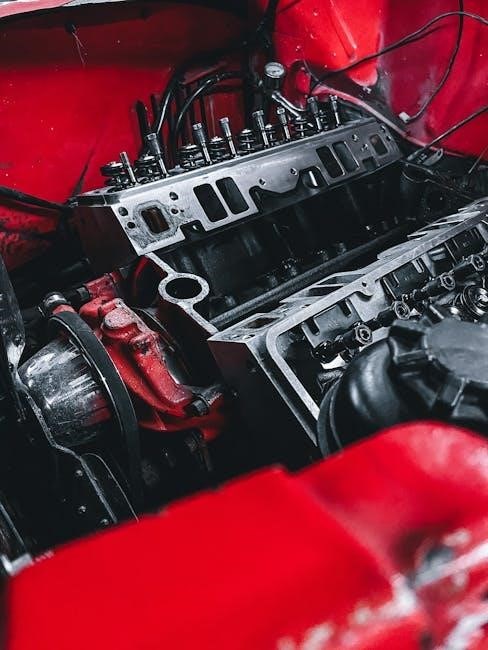
Valve guides are essential components in an engine’s cylinder head, responsible for directing the valve stems as they move up and down. They ensure precise alignment and smooth operation of the valves, which is crucial for proper airflow, combustion efficiency, and engine performance. Typically made from durable materials like bronze, valve guides are either pressed into the cylinder head or threaded, depending on the engine design. Over time, these guides can wear out due to heat, friction, and oil contamination, leading to issues such as oil leakage, reduced performance, and increased emissions. Understanding the role and construction of valve guides is fundamental for diagnosing and addressing engine problems related to valve function and overall engine health.

Symptoms of Worn Valve Guides

Worn valve guides often manifest through several noticeable symptoms that can alert drivers to potential engine issues. One of the most common signs is increased oil consumption, as worn guides allow engine oil to seep into the combustion chamber and burn along with the fuel. This not only reduces the engine’s efficiency but also leads to blue smoke emanating from the exhaust system. Additionally, drivers may notice a rough engine idle, as misaligned or loose valves can disrupt the smooth operation of the engine.

Another symptom is a decrease in engine performance, including reduced power and acceleration. This occurs because worn valve guides can cause valves to move improperly, disrupting the precise airflow required for optimal combustion. In some cases, a clicking or tapping noise may be audible from the engine, indicating that the valves are not being guided correctly. Over time, these issues can lead to more severe damage, such as bent valves or cylinder head damage, if left unaddressed. Recognizing these symptoms early is crucial for preventing costly repairs and maintaining engine longevity.

Preparation and Tools

Replacing valve guides requires careful preparation and specialized tools. Gather an air hammer, valve guide puller, reamer, and new guides. Safety gear like gloves and goggles is essential. Ensure the engine is clean and properly supported before starting the process.

Tools Required

Replacing valve guides demands a specific set of tools to ensure a successful and efficient process. An air hammer and compressor are essential for removing old guides, while a valve guide puller and installer facilitate precise extraction and insertion. A reamer is necessary to prepare the guide bore for new guides. Additionally, safety equipment such as safety glasses and gloves is crucial to protect against potential hazards. A valve spring compressor is needed to relieve tension on the springs during the replacement. Specialized tools like the Lisle 59000 can be useful for installing bronze guides without machine tools. A set of chisels and punches may also be required for various adjustments. Having a torque wrench on hand ensures proper tightening of components post-installation. These tools collectively streamline the replacement process, minimizing the risk of damage and ensuring optimal engine performance. Proper utilization of these tools is vital for a professional-grade repair;

Gathering Parts

Before starting the replacement process, it is essential to gather all the necessary parts to ensure a smooth and efficient repair. New valve guides are the primary component needed, and they must be compatible with your engine’s specifications. Bronze guide liners are a popular choice due to their durability and heat resistance. If your engine requires oversized valve stems, you may need to purchase guides that accommodate this modification. Additionally, valve guide seals are critical for preventing oil leakage and should be replaced alongside the guides.

Depending on the condition of your engine, you may also need to acquire valve stem keepers, spring retainers, and new valve springs. In some cases, installing BronzeWall 2 coil-type liners can provide an extra layer of protection and performance. It is important to consult your vehicle’s parts catalog or a trusted supplier to ensure all components are correctly matched to your engine type.

If you are modifying the guides to accept oversize valve stems, be sure to purchase the appropriate tools and parts for this specific task. Always avoid using universal or one-size-fits-all solutions, as they may not fit properly and could lead to further engine damage. Properly fitting parts are crucial for maintaining engine performance and longevity.

Removal Process

The removal process involves extracting the old valve guides carefully to avoid damaging the engine. Methods include using an air hammer or liquid CO2 to loosen and remove the guides. Proper tools, like an air compressor and chisels, are essential for safe extraction. Always wear protective gear.

Locating the Valve Guides

Valve guides are situated within the cylinder head, surrounding the valve stems. They are typically positioned above the valve seats and below the valve spring retainers. To locate them, start by identifying the valve train components. The guides are usually visible once the valve springs and retainers are removed. For most engines, especially those with pressed-in guides, they are embedded into the head and require precise tools for removal. In some cases, such as integral guides, they are part of the head itself and need to be bored out. Always consult a repair manual for specific locations, as designs may vary between engine types. Proper identification ensures accurate removal and replacement, preventing further engine damage. Safety glasses and gloves are recommended during this process to protect against debris.

Methods of Removal

Valve guides can be removed using several methods, each requiring specific tools and techniques. The most common approach involves using an air hammer to carefully drive the guides out from the cylinder head. This method is effective for pressed-in guides but requires caution to avoid damaging the head. Another option is to use liquid CO2, which freezes the guide, making it easier to remove. For integral guides, machining is necessary, often involving boring and reaming to prepare for new inserts.

Some mechanics prefer knurling, where the guide is expanded in place to create a tighter fit, though this is less common. Reaming and installing thin-wall bronze guide liners is another method, offering a durable solution. If the guides are severely damaged, they may need to be pressed out using a hydraulic press or specialized tools. Regardless of the method, precision is key to avoid costly repairs. Always follow safety protocols, such as wearing protective eyewear, and consult a professional if unsure. Proper removal ensures a successful replacement and maintains engine performance.

Installation and Machining

New valve guides are installed by pressing or driving them into place, ensuring proper alignment and seating. Machining involves reaming and milling to achieve precise dimensions and correct height, ensuring optimal valve stem fitment and engine performance.

Installing New Guides

Installing new valve guides requires precision to ensure proper fitment and functionality. Start by preparing the cylinder head by cleaning the guide bores thoroughly. Apply a thin layer of lubricant to the new guide to facilitate installation. Using a guide driver or installation tool, carefully drive the new guide into place, ensuring it is straight and evenly seated. Avoid using excessive force, which could damage the surrounding material. Once the guide is in position, use a reaming tool to achieve the correct inner diameter, matching the valve stem specifications. Proper alignment is crucial to prevent future wear and ensure smooth engine operation. After installation, inspect the guides for any burrs or irregularities and address them before reassembling the engine. This step is vital for maintaining optimal engine performance and preventing potential issues down the road.

Milling to Correct Height

Milling the valve guides to the correct height is a critical step in ensuring proper valve operation and engine performance. After installing the new guides, use a milling tool specifically designed for this purpose to achieve the precise height specification required by the manufacturer. Start by setting up the milling machine and attaching the appropriate pilot bushing to guide the tool accurately. Carefully lower the milling cutter onto the guide and begin the process, taking small increments to avoid overheating or damaging the surrounding material. Use a micrometer to measure the height periodically and adjust as needed until the desired specification is reached. It is essential to maintain the correct angle and alignment during milling to ensure the guide remains concentric with the valve seat. Once the correct height is achieved, inspect the surface for any irregularities or scratches and address them with a fine-grit stone or honing tool. Proper milling ensures the valve stem seals correctly, prevents oil leakage, and maintains optimal engine performance. This step requires precision and attention to detail to guarantee a successful repair.

Additional Considerations

Ensure all tools and materials are ready before starting. Properly clean and inspect the engine area to avoid contamination. Always refer to the manufacturer’s specifications for precise measurements and procedures. This ensures a smooth and effective repair process.

Valve Inspection and Replacement

Inspecting the valves is a crucial step when replacing valve guides. Look for signs of wear, such as excessive stem wear, pitting, or cracks. Replace any damaged valves to ensure proper engine performance. Valve faces should be reground or replaced if they are not smooth, as rough surfaces can lead to poor sealing and reduced efficiency.

When replacing valves, ensure they are compatible with the new guides. Measure the valve stem diameter to confirm it matches the guide’s internal diameter. If the valves are reused, they must be within acceptable specifications to prevent future issues.

Use a valve grinder to resurface the valve faces if necessary. Apply a thin layer of grinding paste and rotate the valve face against a flat surface until smooth. After grinding, clean the valves thoroughly to remove any residue.

Installing new valves involves placing them in the correct orientation and ensuring the stem seals are properly seated. Use a valve spring compressor to install the springs and retainers without damaging the components. Tighten all hardware to the recommended torque specifications to avoid leaks or premature wear.

Perform a final inspection after installation to ensure all valves are functioning correctly. Check for any signs of leakage or improper seating, as these issues can lead to engine problems down the road.

Engine Preparation

Proper engine preparation is essential before replacing valve guides to ensure a smooth and successful repair. Start by cleaning the engine thoroughly, especially around the cylinder head area, to prevent dirt and debris from causing contamination. Drain the coolant and oil to avoid any spills during the process. Use jack stands to securely lift the vehicle and ensure the engine is stable.

Disconnect the battery and label all electrical connections to avoid confusion when reconnecting. Remove the intake manifold and any other components that obstruct access to the cylinder head. Use an air compressor to blow out debris from the engine compartments. Cover the engine bay with plastic sheets to protect it from dust and metal shavings during the repair.

Before starting, ensure all necessary tools are within reach, such as an air hammer, valve spring compressor, and guide removal tools. If the cylinder head is not already removed, use a torque wrench to loosen the head bolts in the correct sequence. Once the head is removed, place it on a sturdy workbench and secure it with clamps to prevent movement during the guide replacement process.

Inspect the engine for any existing damage or wear that may need attention before proceeding. Addressing these issues now can prevent costly repairs later. Proper preparation ensures safety, efficiency, and a successful outcome for the valve guide replacement project.

Safety and Costs

Wear safety glasses and ear protection when using tools like air hammers. Costs vary based on labor, parts, and machine shop fees. DIY repairs can save money but require expertise. Ensure proper safety measures to avoid injuries and costly mishaps during the replacement process.

Safety Measures

When replacing valve guides, prioritize safety to avoid injuries and equipment damage. Always wear protective gear, including safety glasses and ear protection, especially when using power tools like air hammers or compressors. Ensure the engine is cold to prevent burns from hot components. Properly secure the engine block and cylinder head to maintain stability during the process. Use jack stands and never rely solely on a jack to support the vehicle. Disconnect the battery to prevent accidental engine start-up. Properly vent the workspace to avoid inhaling harmful fumes from cleaning agents or lubricants. Follow manufacturer guidelines for tool usage and maintain a clean, organized workspace to minimize tripping hazards. Regularly inspect tools and equipment for wear or damage before use. If unsure about any step, consider consulting a professional mechanic to ensure safety and correctness. Proper safety measures ensure a smooth and successful valve guide replacement process.

Cost Analysis

Replacing valve guides can vary significantly in cost depending on several factors, including the type of engine, the extent of the damage, and whether you perform the repair yourself or hire a professional. If you decide to tackle the job yourself, you can save on labor costs, but you’ll still need to invest in specialized tools and replacement parts. Basic tools like an air hammer and valve guide puller can range from $50 to $200, while replacement guides themselves may cost between $20 to $100 each, depending on the quality and brand. Additionally, if machining work is required, such as reaming or milling the cylinder head, you may need to pay a machine shop, which can add another $200 to $500 to the total cost. On the other hand, if you opt for professional installation, labor costs can range from $300 to $1,000, depending on the mechanic’s rates and the complexity of the job. Overall, the total cost for replacing valve guides can range from $500 to $2,000 or more, making it a significant investment in your engine’s health and performance.

Time Management

Replacing valve guides typically requires 4 to 8 hours, depending on the engine complexity and whether machining is needed. This project demands careful planning to ensure all tools and parts are ready beforehand, avoiding delays during the process.

For DIYers, allocate additional time for learning and preparation. Professional shops may complete the job faster but often require scheduling in advance. Plan accordingly to minimize downtime and ensure a smooth repair experience.

Project Duration

Replacing valve guides is a detailed process, and the duration varies based on the method used and the engine’s complexity. Simple guide replacements using press-in or thread-in guides may take around 3 to 6 hours, while more complex procedures, like machining or installing bronze liners, can extend the project to 8-12 hours or more.

For DIY enthusiasts, the time required often doubles due to the learning curve and preparation. Professional shops typically complete the job faster, averaging 4 to 8 hours, depending on their workload and the engine type. If extensive machining or custom modifications are needed, the project may span several days.

Factors such as the availability of tools and parts also influence the timeline. Proper planning and organization are crucial to avoid delays; Allocating a full weekend for the project is advisable for DIYers to ensure ample time for each step without rushing.

Additionally, if valve inspection or replacement is required alongside guide replacement, this can add 2 to 4 hours to the process; Always consider these variables when estimating the total time needed for a successful repair.

Resources and Support

Utilize step-by-step guides, online forums, and video tutorials for detailed instructions. Tools like air hammers and valve seal pullers are essential. Consult professionals or machine shops for complex tasks. Ensure access to proper equipment and parts for a successful repair.

Step-by-Step Guides

Replacing valve guides requires careful planning and execution. Start by preparing the engine, ensuring it is clean and securely positioned. Remove the valve springs and keepers using specialized tools like spring compressors. Next, extract the old guides, which may involve pressing or using an air hammer. Install the new guides, ensuring proper alignment and fitment. Once in place, mill the guides to the correct height for optimal valve operation. Reassemble the engine components, replacing any worn parts like seals or springs. Finally, test the engine to ensure proper function and performance.

  • Use tools like air hammers or presses for guide removal and installation.
  • Ensure the valve train is properly aligned to avoid damage.
  • Consult detailed repair manuals or videos for specific engine models.

Following these steps carefully ensures a successful repair and prevents future engine issues.

rolex watch guide

Rolex watches are renowned for their timeless design, precision engineering, and luxurious appeal, making them a symbol of excellence and sophistication in the world of horology.

Overview of Rolex’s History and Legacy

Rolex, founded in 1905 by Hans Wilsdorf and Alfred Davis in London, quickly became a pioneer in watchmaking. The brand’s name, registered in 1908, symbolizes precision and innovation. In 1910, Rolex received the first Swiss Certificate of Precision, marking its commitment to excellence. The 1926 introduction of the Oyster case, the world’s first waterproof watch, revolutionized the industry. Mercedes Gleitze’s 1927 English Channel swim with a Rolex Oyster demonstrated its durability. The 1931 Perpetual Rotor enabled automatic winding, solidifying Rolex’s reputation. Over the decades, Rolex has been linked to historic achievements, such as the 1953 Everest conquest and the 1954 Submariner launch. Today, Rolex remains a symbol of luxury and precision, with a legacy built on innovation, quality, and timeless design.

The Reputation of Rolex in the Watch Industry

Rolex holds an unparalleled reputation as a leader in the watch industry, synonymous with luxury, precision, and craftsmanship. Its unwavering commitment to excellence has earned it a loyal following among watch enthusiasts and collectors. Rolex’s innovative spirit, from the Oyster case to the Perpetual Rotor, has set benchmarks for the industry. The brand’s association with historic milestones, such as the first Everest ascent and deep-sea explorations, underscores its reliability and durability. Rolex’s watches are not merely timepieces but status symbols, reflecting success and style. The brand’s meticulous attention to detail and adherence to quality ensure each watch is a masterpiece. This reputation is further bolstered by its exclusivity, limited production, and the prestige of owning a Rolex, making it a cornerstone of the luxury watch market.

Popular Rolex Models

Rolex offers iconic models like the Submariner, Daytona, GMT-Master, Datejust, and Sky-Dweller, each celebrated for its unique design, functionality, and enduring appeal among watch enthusiasts and collectors.

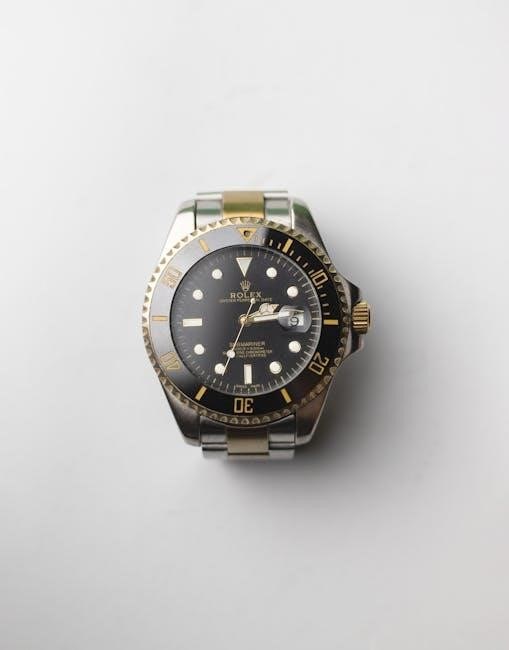
Rolex Submariner: The Iconic Diver’s Watch

The Rolex Submariner is a legendary timepiece designed for underwater exploration, featuring a robust 40mm or 41mm case, unidirectional rotating bezel, and exceptional water resistance up to 300 meters. Its clean, minimalist dial with luminescent indexes ensures readability in deep waters. Available in various materials like stainless steel, two-tone, and gold, the Submariner caters to both divers and style enthusiasts. Introduced in 1954, it has become a symbol of adventure and sophistication, often associated with James Bond. With its reliable automatic movement and timeless design, the Submariner remains a favorite among watch collectors and divers alike, blending functionality with elegance seamlessly.

Rolex Daytona: The Ultimate Chronograph

The Rolex Daytona is a iconic chronograph watch designed for racing enthusiasts, first introduced in 1963. Known for its precision and sleek design, it features a tachymeter bezel for calculating average speed and three sub-dials for tracking hours, minutes, and seconds. The Daytona is available in various materials, including stainless steel, two-tone, and gold, appealing to both collectors and motorsport fans. Its robust movement, Calibre 4130, offers a 72-hour power reserve. The Daytona has become a symbol of performance and style, with notable models like the “Paul Newman” becoming highly sought after by collectors. Its enduring appeal lies in its perfect blend of functionality, heritage, and timeless aesthetics, making it a cornerstone of Rolex’s lineup.

Rolex GMT-Master: The Pilot’s Timepiece

The Rolex GMT-Master, introduced in 1954, was specifically designed for pilots and travelers to track multiple time zones. Its signature feature is the rotating 24-hour bezel, allowing users to easily distinguish between day and night. The watch is equipped with a GMT hand, enabling simultaneous tracking of two time zones, while an additional hour hand can be set to a third time zone. Originally developed for Pan Am pilots during the Golden Age of aviation, the GMT-Master became synonymous with global travel and exploration. Available in various materials, including stainless steel, two-tone, and gold, the GMT-Master II offers enhanced functionality with a separate hour hand for precise time zone adjustments. Its robust Calibre 3285 or 3286 movement provides a 70-hour power reserve, making it a reliable companion for both professionals and adventurers.

Rolex Datejust: The Classic Dress Watch

The Rolex Datejust, introduced in 1945, is a timeless symbol of elegance and sophistication. Known as the first self-winding watch to feature a date display, it has become a staple in Rolex’s collection. Available in a variety of materials, including stainless steel, two-tone, and gold, the Datejust appeals to both men and women. Its sleek design, characterized by a 41mm case, makes it versatile for formal and casual occasions. The iconic Cyclops lens magnifies the date, while the Jubilee bracelet adds a touch of refinement. Equipped with Rolex’s Calibre 2236 movement, the Datejust offers precision and reliability. Its enduring appeal lies in its classic aesthetic, making it a favorite among watch enthusiasts seeking a sophisticated yet practical timepiece.

Rolex Sky-Dweller: The Sophisticated Traveler’s Watch

The Rolex Sky-Dweller is a masterpiece designed for the modern traveler, offering functionality and elegance. Introduced in 2012, it features a dual time zone display and an annual calendar, making it ideal for globetrotters. The watch boasts a sleek 42mm case, available in gold or platinum, exuding luxury. Its innovative Ring Command bezel simplifies setting the time and date, while the Saros annual calendar automatically adjusts for month lengths. The Sky-Dweller combines practicality with sophistication, appealing to travelers who value precision and style. Its design is both contemporary and timeless, making it a standout choice for those seeking a watch that keeps pace with their lifestyle.

Buying Considerations

When purchasing a Rolex, consider new vs. pre-owned options, understand movement types, explore materials, check serial numbers, and find trusted dealers for authenticity and value.

New vs. Pre-Owned Rolex Watches

Deciding between a new and pre-owned Rolex involves weighing benefits like warranty and latest features against cost savings and unique character. New watches offer the allure of untouched condition, official warranty, and the latest technological advancements, making them ideal for those seeking a pristine timepiece. However, they often come with a higher price tag and may require a longer wait due to demand. Pre-owned Rolexes, on the other hand, can offer significant savings and the opportunity to own discontinued or vintage models. They are also readily available, bypassing waiting lists. Both options provide access to Rolex’s legendary craftsmanship, but the choice depends on personal preference, budget, and whether the allure of a new watch or the charm of a pre-owned piece is more appealing.

Understanding Rolex Movement Types

Rolex watches are powered by high-quality, in-house movements known for their precision and reliability. The brand offers both automatic and manual-winding movements, though automatic movements are far more common. Rolex’s iconic Perpetual Rotor, introduced in 1931, revolutionized watchmaking by enabling self-winding mechanisms. This innovation ensures that the watch winds continuously, eliminating the need for manual winding. Rolex movements are certified by the Swiss Official Chronometer Testing Institute (COSC), guaranteeing accuracy to -2/+2 seconds per day. Additionally, Rolex’s Superlative Chronometer certification further ensures precision to -2/+2 seconds per day after casing. Popular movements include the Calibre 3255, found in the Datejust, and the Calibre 4130, powering the Daytona. Each movement is meticulously crafted to uphold Rolex’s legacy of horological excellence, combining functionality, durability, and elegance.

Rolex Watch Materials: Exploring the Options

Rolex watches are crafted from premium materials, each chosen for its unique properties and aesthetic appeal. Stainless steel, such as Oystersteel, is durable and resistant to corrosion, making it ideal for everyday wear. Yellow, white, and Everose gold are prized for their luxurious finish and timeless elegance. Platinum, used in select models, offers a sophisticated and rarefied look. Rolex also pioneered Rolesor, a combination of steel and gold, blending practicality with luxury. Additionally, the brand introduced Rolesium, pairing steel with platinum for a distinctive appearance. Each material is meticulously finished to ensure a polished and refined look, reflecting Rolex’s commitment to excellence. Whether stainless steel, gold, or platinum, Rolex watches embody exceptional craftsmanship and style, catering to diverse tastes and preferences.

The Importance of Rolex Serial Numbers

Rolex serial numbers are unique identifiers found on every watch, typically located between the lugs at the 6 o’clock position. These numbers are crucial for verifying authenticity, as they are recorded by Rolex and can be cross-checked with official records. Serial numbers also help determine the watch’s production date, which is essential for collectors and enthusiasts. They provide insight into the watch’s history, including when it was manufactured and potentially when it was serviced. Additionally, serial numbers play a key role in maintaining the watch’s value, as they confirm its legitimacy in the market. For buyers, especially in the pre-owned market, a valid serial number is a critical factor in ensuring the watch is genuine. Thus, understanding and verifying the serial number is a vital step in owning and appreciating a Rolex timepiece.

Design Elements of Rolex Watches

Rolex watches blend timeless elegance with innovative engineering, offering iconic designs, high-quality materials, and features like the Oyster case, Crown logo, Cyclops lens, and robust bracelets.

Rolex Case Sizes and Shapes

Rolex offers a variety of case sizes and shapes to cater to different wrist sizes and personal preferences. The Oyster case, Rolex’s most iconic design, is available in sizes ranging from 31mm to 44mm, ensuring a perfect fit for both men and women. Popular models like the Submariner and Daytona feature a 40mm or 41mm case, while the Datejust offers a smaller 36mm option. The Sky-Dweller boasts a larger 42mm case, ideal for those who prefer a bolder look. Rolex’s cases are known for their robustness and elegant proportions, with a focus on both functionality and aesthetics. Whether you prefer a sporty or classic design, Rolex’s diverse case sizes and shapes ensure there’s a timepiece to suit every style and preference. This versatility has made Rolex a favorite among watch enthusiasts worldwide.

Rolex Dial Variations and Colors

Rolex dials are celebrated for their elegance and diversity, offering a wide range of colors and designs to suit every taste. From the classic black, white, and silver dials to vibrant options like blue, green, and even rare colors like “Salmon,” Rolex ensures a dial to match every personality. The brand is also known for its iconic dial styles, such as the “Pepsi” and “Batman” configurations on GMT-Master models. Some dials feature intricate details like diamond indices or precious stone markers, adding an extra layer of luxury. The Submariner’s minimalist dial with circular and triangular markers is another timeless favorite. Rolex’s attention to detail ensures that each dial is not only visually stunning but also highly functional, with clear readability and a focus on craftsmanship. Whether you prefer understated elegance or bold sophistication, Rolex’s dial variations and colors provide endless options for personalization and style. This diversity has solidified Rolex’s reputation as a leader in watch design.

Rolex Bezel Designs and Functions

Rolex bezels are a defining feature of their watches, blending functionality with timeless design. The Submariner’s unidirectional rotating bezel allows divers to track elapsed time underwater, while the GMT-Master’s bidirectional bezel helps pilots track multiple time zones. The Daytona’s fixed tachymeter bezel is designed for calculating average speed, making it a favorite among racing enthusiasts. Other models, like the Yacht-Master, feature a bidirectional rotating bezel with a matte finish for a sleek, nautical look. Rolex bezels are crafted from high-quality materials, including stainless steel, platinum, and gold, often with polished or brushed finishes. Some bezels are adorned with diamonds or other precious stones for added luxury. The bezel’s functionality and aesthetic appeal make it a standout element of Rolex watches, enhancing both their practicality and visual allure. Whether for diving, aviation, or everyday wear, Rolex bezels are designed to be both functional and beautiful.

Rolex Bracelets: Options and Features

Rolex bracelets are crafted with precision, offering comfort and durability while complementing the watch’s design. The iconic Oyster bracelet, available in various sizes, features flat, three-piece links with a sleek, modern look. Jubilee bracelets, introduced in 1945, boast a five-piece link design for a dressier aesthetic. The Diver’s extension on the Oyster and Jubilee bracelets allows for a secure fit over diving suits. The Pearl bracelet, designed for Datejust and Day-Date models, features rounded, five-piece links for a sophisticated look. Rolex bracelets are made from 904L stainless steel, 18k gold, or platinum, ensuring durability and elegance. Many bracelets also feature the Easylink extension system, allowing for a 5mm adjustment for comfort. Some models, like the GMT-Master II, offer two-tone bracelets for a unique style. Rolex bracelets are a testament to the brand’s commitment to quality and versatility, catering to diverse tastes and preferences.

Authentication and Avoiding Counterfeits

  • Ensure the watch has proper engravings, serial numbers, and weight, as counterfeit watches often lack these details or have poor craftsmanship.
  • Verify the watch’s authenticity by checking for misspelled words or low-quality dials, common in fake Rolexes.
  • Use Rolex’s official resources or trusted dealers to confirm the watch’s legitimacy and avoid purchasing counterfeit timepieces.

How to Spot a Fake Rolex Watch

To identify a counterfeit Rolex, inspect the watch’s engravings, serial number, and overall build quality. Genuine Rolexes feature crisp, precise engravings, while fake ones may appear blurry or uneven. Check the serial number between the lugs at the 6 o’clock position; it should match Rolex’s official records. Counterfeit watches often feel lighter due to cheaper materials. Examine the dial for misspelled words or uneven spacing, as Rolex dials are meticulously crafted. Verify the bracelet and clasp for solid construction, as genuine Rolexes use high-quality metals. The crown should screw down smoothly, a hallmark of authentic models. Finally, ensure the watch comes with original packaging and documentation, such as the Rolex box and papers, which are essential for verifying authenticity. Always consult a trusted dealer or professional to confirm the watch’s legitimacy.

The Role of Rolex Box and Papers

Rolex boxes and papers play a crucial role in verifying the authenticity and value of a watch. The box serves as a protective case, while the papers include the warranty card, user manual, and certificate of authenticity. These documents contain the watch’s serial number, confirming it was issued by Rolex. The box and papers are essential for resale, significantly boosting the watch’s value. Collectors and buyers often prioritize watches with complete documentation, as they ensure legitimacy. Without these, the watch’s authenticity may be questioned, impacting its market value. Always request the box and papers when purchasing a Rolex, and verify their legitimacy through Rolex’s official resources to ensure your investment is secure and genuine. These elements are vital for both new and pre-owned watches, safeguarding their heritage and monetary worth.

Using Rolex Resources for Verification

Rolex provides official resources to verify the authenticity of their watches, ensuring buyers can confirm their timepiece’s legitimacy. The Rolex website offers a serial number checker, allowing owners to validate their watch’s serial number and confirm it was issued by Rolex. Additionally, Rolex Service Centers are equipped to inspect watches and provide official documentation, guaranteeing their authenticity. These resources are invaluable for distinguishing genuine Rolex watches from counterfeit ones. By utilizing these tools, buyers can ensure their purchase is legitimate and maintain its value over time. Rolex’s commitment to authenticity is unwavering, and their resources empower consumers to make informed decisions when investing in a luxury timepiece.

Maintenance and Servicing

Regular maintenance ensures Rolex watches retain their precision and longevity. Clean the case and bracelet, avoid extreme temperatures, and service your watch every 5-7 years for optimal performance.

Rolex Watch Maintenance Tips

Proper care ensures your Rolex retains its timeless elegance and functionality. Clean the case and bracelet regularly with mild soap and water to prevent dirt buildup; Avoid exposing your watch to extreme temperatures, as this can affect timekeeping accuracy. For models with bracelets, ensure a proper fit to avoid stretching or damage. Service your Rolex every 5-7 years by an authorized Rolex service center to maintain its precision and water-resistance. Avoid using harsh chemicals or abrasive materials that might scratch the watch. Store your Rolex in a cool, dry place when not worn. Regular maintenance not only preserves its beauty but also ensures optimal performance and longevity. By following these tips, you can enjoy your Rolex for years to come.

Understanding Rolex Servicing Costs

Rolex servicing costs vary depending on the model, age, and condition of the watch. On average, a routine service can range from $800 to $2,500, covering movement overhaul, cleaning, and water-resistance testing. Additional repairs or parts replacement, such as a new crystal or bracelet, may increase costs. Authorized Rolex service centers provide detailed estimates before work begins. Regular servicing ensures optimal performance, accuracy, and longevity of your timepiece. While the investment may seem significant, it preserves the watch’s value and functionality. Budgeting for periodic servicing is essential for maintaining your Rolex’s precision and elegance over the years.

Investment Potential

Rolex watches often appreciate in value, making them a savvy investment. Certain models, like vintage or limited editions, are highly sought after by collectors, ensuring long-term value retention.

Rolex Watches as Investment Pieces

Rolex watches are widely regarded as excellent investment pieces due to their potential to appreciate in value over time. Certain models, such as vintage or limited-edition timepieces, are particularly sought after by collectors, often commanding high prices at auctions. The brand’s reputation for craftsmanship, durability, and timeless design contributes to their appeal. Additionally, the resale value of Rolex watches remains strong, especially for popular models like the Daytona, Submariner, and GMT-Master. Factors such as rarity, condition, and historical significance can significantly influence their worth. While not all Rolex watches appreciate equally, many have proven to be stable or even lucrative investments. For those considering a Rolex as an investment, it’s important to focus on models with a strong track record of value retention and to ensure authenticity through proper documentation and verification.

The Buying Process

Navigating the Rolex buying process involves research, establishing relationships with authorized dealers, and understanding market dynamics to secure your desired timepiece efficiently and authentically.

Finding Trusted Rolex Dealers

Finding trusted Rolex dealers is crucial for ensuring authenticity and a smooth purchasing experience. Start by visiting Rolex-authorized dealers, as they guarantee genuine products and valid warranties. Building a relationship with local dealers can also enhance your experience, as they may offer personalized service and priority access to new models. Dress appropriately and be personable when visiting, as this can positively influence your interaction. Additionally, consider checking Rolex’s official website for a dealer locator tool to find verified retailers near you. For online purchases, reputable platforms like Bob’s Watches or Watchfinder are known for their rigorous authentication processes. Always verify the dealer’s reputation through reviews and industry forums to avoid counterfeit risks. Remember, patience and due diligence are key to securing your dream Rolex timepiece.

Tips for First-Time Rolex Buyers

As a first-time Rolex buyer, it’s essential to approach your purchase with careful consideration. Start by researching popular models like the Submariner, Daytona, or Datejust to find the one that best suits your lifestyle and budget. Understanding the differences between new and pre-owned watches can also help you make an informed decision. Visit authorized dealers to ensure authenticity and receive guidance from knowledgeable staff. Dress appropriately and build a rapport with the dealer, as this can improve your experience. Additionally, consider the long-term investment potential of your purchase, as many Rolex models appreciate in value. Don’t rush the process—take your time to find the perfect timepiece that aligns with your personal style and preferences. Remember, buying a Rolex is not just a purchase; it’s an investment in craftsmanship and legacy.

Investing in a Rolex is a timeless decision, symbolizing craftsmanship and legacy.

Final Thoughts on Purchasing a Rolex

Purchasing a Rolex is a significant decision that combines personal style, investment potential, and a commitment to quality.

Research thoroughly, consider your lifestyle, and ensure the watch fits perfectly.

Authenticity is crucial, so always buy from trusted dealers and verify documentation.

Rolex watches hold their value well, making them not just a timepiece but a legacy piece.

Take your time, and remember, a Rolex is a lifelong companion that deserves careful consideration.

Rolex Watch Guide FAQ

Frequently asked questions about Rolex watches often revolve around their value, authenticity, and maintenance.

  • What are the most popular Rolex models? The Submariner, Daytona, and GMT-Master are among the most sought-after models.
  • How much does a Rolex cost? Prices vary widely, from around $5,000 for entry-level models to over $100,000 for luxury pieces.
  • Are Rolex watches a good investment? Many Rolex models appreciate in value, especially limited editions and vintage pieces.
  • How can I authenticate a Rolex? Check for official Rolex engravings, use verification tools, and ensure it comes with box and papers.
  • How often should I service my Rolex? Regular servicing every 5-10 years is recommended to maintain accuracy and longevity.

how to replace valve guides

Valve guide replacement is a critical engine maintenance task that ensures proper valve operation and prevents oil leakage. Replacing worn guides restores engine efficiency and performance.

Understanding the Importance of Valve Guides in Engine Performance

Valve guides play a crucial role in maintaining engine efficiency by ensuring proper valve operation. They help seal the combustion chamber‚ preventing oil from entering and escaping through the exhaust. Worn guides can lead to increased oil consumption‚ blue exhaust smoke‚ and engine misfires‚ all of which degrade performance. Properly functioning guides ensure valves open and close precisely‚ maintaining compression and efficient combustion. This directly impacts engine power‚ fuel efficiency‚ and longevity. Neglecting worn guides can lead to costly damage‚ making their replacement essential for sustained engine health and optimal performance. Regular inspection and timely replacement are vital to prevent these issues and ensure smooth engine operation.

Common Symptoms of Worn Valve Guides

Worn valve guides often manifest through distinct symptoms that can signal the need for replacement. One of the most noticeable signs is excessive oil consumption‚ as worn guides allow engine oil to seep into the combustion chamber. This can result in blue smoke emanating from the exhaust‚ indicating oil is being burned alongside fuel. Additionally‚ engine misfires may occur due to improper valve sealing‚ leading to reduced power and efficiency. Increased emissions and decreased fuel economy are also common consequences. In severe cases‚ damaged guides can cause valves to become misaligned‚ potentially leading to further engine damage. Recognizing these symptoms early is crucial to preventing more extensive and costly repairs down the line.

Identifying Worn Valve Guides

Worn valve guides can be identified through visible wear‚ excessive play‚ or misalignment. Inspecting for these signs ensures accurate diagnosis before replacement begins.

Signs of Valve Guide Deterioration

Signs of valve guide deterioration include excessive oil consumption‚ blue exhaust smoke‚ and engine misfires. These issues arise as worn guides allow oil to enter the combustion chamber.

Diagnosing Oil Consumption and Exhaust Smoke

Diagnosing oil consumption and exhaust smoke is crucial for identifying worn valve guides. Increased oil use often indicates oil seeping past worn guides‚ while blue smoke from the exhaust suggests oil burning in the combustion chamber. These symptoms‚ along with engine misfires and decreased performance‚ signal guide deterioration. To confirm‚ technicians may perform compression tests or leak-down tests to check for internal engine leaks. Specialized tools‚ such as drifts and reamers‚ are essential for accurate diagnosis. Addressing these issues early prevents further engine damage and ensures optimal performance. Regular inspections and timely replacements are vital for maintaining engine efficiency and reliability.

Recognizing Engine Misfires Related to Valve Guides

Engine misfires can often be traced to issues with valve guides‚ as worn or damaged guides disrupt proper valve function. When guides are compromised‚ valves may not seat correctly‚ leading to incomplete combustion. This results in misfires‚ which can cause rough engine operation‚ reduced power‚ and poor fuel efficiency. Drivers may notice a stuttering or shaking sensation while driving‚ accompanied by a “check engine” light. Diagnostic tools‚ such as OBD-II scanners‚ can identify misfire codes linked to specific cylinders. Addressing these issues promptly is essential to prevent further damage to the engine‚ such as catalytic converter failure or increased oil consumption. Regular inspections and timely guide replacements help maintain smooth engine performance and reliability.

Methods for Replacing Valve Guides

Valve guide replacement involves various techniques to restore proper engine function. Methods include knurling‚ installing thin-wall bronze liners‚ or replacing integral guides with false ones.

Overview of Valve Guide Replacement Techniques

Valve guide replacement techniques vary‚ each offering distinct advantages. Knurling is a cost-effective method that uses a specialized tool to reshape the guide‚ while thin-wall bronze liners provide durability and are installed for precise fitment. Replacing insert guides involves removing the old ones and pressing in new units‚ ensuring proper alignment. For engines with oversize valve stems‚ modifying the guides is essential. Integral guides can be swapped with false guides to simplify future maintenance. BronzeWall 2 coil-type liners are another option‚ offering easy installation and long-term performance without machining. Each method requires specialized tools and precise steps to ensure optimal engine operation and prevent future issues.

Knurling as a Repair Method

Knurling is a cost-effective repair method for valve guides that avoids the need for full replacement. It involves using a specialized knurling tool to reshape the worn guide‚ creating a tighter fit around the valve stem. This technique is ideal for minor wear and can extend the life of the guide. The knurling process generates a textured surface‚ enhancing grip and reducing oil leakage. It is less invasive compared to other methods‚ requiring minimal disassembly of the cylinder head. While knurling is durable‚ it is not suitable for severely damaged guides. This method is favored for its simplicity and ability to restore proper valve operation without extensive machining or replacement.

Installing Thin-Wall Bronze Guide Liners

Installing thin-wall bronze guide liners is a reliable method for repairing worn valve guides. This technique involves pressing out the old guide and inserting a precision-fit bronze liner. Bronze liners are chosen for their durability and ability to reduce wear on the valve stem. The process requires precise measurement to ensure the liner is correctly sized for the guide bore. Once installed‚ the liner is typically reamed to match the valve stem diameter‚ ensuring proper fitment and smooth operation. This method is popular for its balance of cost-effectiveness and long-term performance. It is widely used in both automotive and industrial engines to restore valve guide function without extensive cylinder head modifications.

Replacing Insert Guides

Replacing insert guides is a straightforward process that involves removing the worn-out guide from the cylinder head and installing a new one. Insert guides are typically pressed into the head and can be replaced individually‚ making this method less invasive than other techniques. The old guide is carefully pressed out using specialized tools‚ and the new guide is aligned and pressed into place. This method is ideal for engines with minimal damage‚ as it avoids the need for extensive machining. Proper alignment and seating are critical to ensure the guide functions correctly. Once installed‚ the guide is reamed to fit the valve stem precisely‚ restoring proper engine performance and preventing oil leakage. This approach is both cost-effective and time-efficient compared to more complex replacement methods.

Modifying Valve Guides for Oversize Valve Stems

Modifying valve guides for oversize valve stems is a specialized repair method used when the valve stem diameter exceeds the original guide’s capacity. This process involves machining the existing guide to accommodate the larger stem‚ ensuring proper fitment and functionality. Specialized tools are required to enlarge the guide’s inner diameter while maintaining precise alignment. The modification must be done with extreme care to avoid damaging the surrounding material or the cylinder head. Proper measurement and alignment are critical to prevent excessive play or binding of the valve stem. This method is often employed in high-performance engines or when original guides are severely worn. It ensures smooth engine operation and prevents potential damage to the valve or seat. Expert mechanics typically perform this procedure due to its complexity and precision requirements.

Replacing Integral Guides with False Guides

Replacing integral guides with false guides is a repair method used when the original guides are severely damaged or cannot be repaired. False guides are standalone components installed into the engine’s cylinder head‚ offering a more straightforward replacement compared to modifying or reaming integral guides. This method is particularly useful when the original guides are cracked‚ worn beyond repair‚ or improperly sized. Specialized tools‚ such as guide installers‚ are required to ensure proper fitment and alignment. The process involves removing the damaged integral guide‚ preparing the bore‚ and pressing in the false guide. Proper alignment and precise fitment are critical to prevent valve stem misalignment and ensure smooth engine operation. This method is often preferred for its simplicity and effectiveness in restoring valve guide functionality.

Installing BronzeWall 2 Coil-Type Liners

BronzeWall 2 Coil-Type Liners are a modern solution for valve guide replacement‚ offering enhanced durability and resistance to wear. These liners are designed to be installed directly into the worn guide bore without requiring extensive machining. The process involves compressing the coil and inserting it into the bore‚ where it expands to fit snugly. This method is particularly advantageous for its simplicity and cost-effectiveness‚ eliminating the need for specialized tools. BronzeWall 2 liners are ideal for high-performance engines‚ providing improved heat dissipation and resistance to excessive valve stem wear. They are a popular choice for engine rebuilders seeking a reliable‚ long-lasting repair solution.

Tools and Equipment Needed

Specialized tools like drifts and reamers are essential for valve guide replacement. Drifts remove old guides‚ while reamers ensure proper fitment of new ones.

Specialized Tools for Valve Guide Replacement

Replacing valve guides requires specific tools to ensure accuracy and safety. Drifts are used to carefully remove old guides without damaging the engine. Reamers are essential for resizing the guide bore to fit new guides precisely. A valve guide driver is needed to install the new guides properly. Additionally‚ tools like valve guide knurling or bronze liner installation tools may be necessary for certain repair methods. These tools ensure proper alignment and fitment‚ preventing further engine damage. Using the right tools is critical for a successful replacement and maintaining engine performance. Always use high-quality‚ precision tools designed for this task.

Drifts and Their Role in Removing Old Guides

Drifts are essential tools for safely removing worn valve guides. These tools are designed to apply even pressure around the guide‚ preventing damage to the engine. By carefully aligning the drift with the guide‚ technicians can avoid costly repairs to surrounding components. The gradual tapping process ensures the old guide is loosened and removed without causing damage. Proper use of drifts minimizes the risk of engine damage‚ making them indispensable for this process. Always ensure drifts are the correct size for the guides being removed. This step is crucial for a successful valve guide replacement. Using drifts is the preferred method due to their precision and effectiveness. Their role is vital in maintaining engine integrity during the replacement process.

Reamers and Their Importance in Proper Fitment

Reamers play a critical role in ensuring proper fitment of new valve guides. After pressing in the guides‚ reaming is necessary to achieve the correct diameter and alignment. This process ensures the valve stem moves smoothly within the guide‚ preventing binding or excessive play. Accurate reaming is essential for maintaining proper valve operation and engine performance. Improper fitment can lead to issues like oil leakage or engine misfires. Using the correct reamer size guarantees precise alignment‚ ensuring the valve guide functions as intended. This step is crucial for the longevity and efficiency of the engine. Reamers are specialized tools designed specifically for this purpose‚ making them indispensable in valve guide replacement. Proper reaming ensures a smooth‚ efficient engine operation.

Step-by-Step Replacement Process

The process involves removing the cylinder head‚ pressing out old guides‚ and installing new ones. Reaming ensures proper fitment and alignment for smooth valve operation.

Removing the Cylinder Head

Removing the cylinder head is the first step in accessing the valve guides. Begin by draining the engine’s cooling system and disconnecting the battery. Next‚ remove the air intake ducts‚ fuel lines‚ and any electrical connections attached to the cylinder head; Use a wrench or socket to loosen the head bolts in a star pattern to avoid warping the head. Once the bolts are removed‚ carefully lift the cylinder head using a head puller or hoist. Place the head on a clean‚ flat surface for disassembly. Be cautious of the valve train components‚ as they can be fragile. Documenting the location of each part ensures proper reassembly later. Inspect the head for any signs of damage or wear.

Pressing Out Old Valve Guides

Pressing out old valve guides requires precision and the right tools. Start by positioning the cylinder head on a stable surface. Use a valve guide driver or drift to align with the guide. Apply a press or slide hammer to gently push the guide out. Ensure the tool is centered to avoid damaging the head. Work slowly‚ applying steady force to prevent the guide from breaking. Once removed‚ inspect the bore for any remaining material or debris. Clean the area thoroughly before installing the new guide. Proper alignment and careful pressing are crucial to avoid costly repairs. This step ensures a clean slate for the new valve guide installation.

Installing New Valve Guides

Installing new valve guides is a precise process that requires attention to detail. Begin by ensuring the bore is clean and free from debris. Next‚ apply a thin layer of lubricant or assembly lube to the new guide. Position the guide in the bore‚ aligning it with the center. Use a guide installer or driver to press it in place‚ applying steady pressure to avoid tilting. Once seated‚ verify the guide’s alignment and depth using a micrometer or depth gauge. Proper installation ensures smooth valve operation and prevents future issues. This step is crucial for maintaining engine efficiency and longevity.

Reaming and Aligning the New Guides

Reaming and aligning the new valve guides is essential for ensuring they fit perfectly and function as intended. After installing the new guides‚ use a reamer to achieve the correct diameter and alignment. This step ensures the valve stem moves smoothly within the guide without binding or excessive play. Proper reaming prevents wear and tear on the valve and guide‚ improving engine performance. Alignment is critical to maintain proper valve operation and prevent oil leakage. Specialized reamers are designed for this task‚ ensuring accuracy and consistency. Once reamed‚ inspect the guides to confirm they meet specifications. This step guarantees optimal engine efficiency and longevity.

Post-Installation Checks

After installing new valve guides‚ ensure proper fitment and alignment. Test for oil leaks and verify engine performance to confirm successful replacement and optimal function.

Ensuring Proper Valve Stem Fitment

Proper valve stem fitment is essential for optimal engine performance. After replacing the valve guides‚ inspect the valve stem-to-guide clearance using a dial indicator. Excessive play or binding indicates improper alignment. Ensure the valve stem moves smoothly without resistance. If the fitment is too tight‚ it may cause increased wear‚ while excessive clearance can lead to oil leakage and reduced engine efficiency. Accurate reaming during installation ensures the correct fitment‚ preventing issues like engine misfires or poor sealing. Proper fitment guarantees smooth engine operation‚ reduces wear on components‚ and maintains overall engine efficiency. Always refer to manufacturer specifications for precise measurements.

Testing for Oil Leaks and Engine Performance

After installing new valve guides‚ it’s crucial to test for oil leaks and verify engine performance. Start by visually inspecting the valve area for any signs of leakage. Run the engine and check for blue smoke from the exhaust‚ which indicates oil burning due to improper sealing. Perform a leak-down test to ensure valves are sealing correctly. Monitor engine performance for misfires or reduced power‚ which could signal issues with valve guide installation; Additionally‚ check oil levels regularly to detect any increased consumption. Proper testing ensures the repair was successful and maintains engine efficiency. Addressing any leaks or performance issues promptly prevents further damage.

Proper valve guide installation is essential for maintaining engine efficiency‚ preventing wear‚ and ensuring smooth operation. It guarantees longevity and optimal performance.

Importance of Proper Valve Guide Installation

Proper valve guide installation is crucial for ensuring optimal engine performance and efficiency. Improperly installed guides can lead to oil leakage‚ engine misfires‚ and increased wear on valve train components. Accurate alignment and fitment prevent excessive play or binding‚ which can cause premature wear and potential engine damage. Specialized tools and precise techniques are essential to guarantee a secure and precise fit. Proper installation also ensures smooth operation‚ reduces the risk of future repairs‚ and maintains the overall integrity of the engine. By adhering to best practices‚ technicians can ensure long-term reliability and peak performance of the engine.

Final Tips for Maintaining Engine Efficiency

Regular inspections and timely replacements of worn valve guides are essential for maintaining engine efficiency. Always use high-quality replacement parts and follow precise installation techniques to ensure optimal performance. Proper tool usage‚ such as drifts and reamers‚ guarantees accurate fitment and alignment. After installation‚ perform thorough checks for oil leaks and test engine performance under various conditions. Additionally‚ maintaining clean engine components and using the correct lubricants can extend the life of valve guides and other engine parts. By adhering to these practices‚ you can ensure smoother engine operation‚ reduce oil consumption‚ and prevent premature wear on critical components. Consistent maintenance will help sustain peak engine efficiency and reliability over time.

tour guide resume

A well-structured tour guide resume is essential for showcasing your qualifications, experience, and regional expertise, helping you stand out in the competitive tourism industry and land your desired role․

1․1 Importance of a Well-Structured Tour Guide Resume

A well-structured tour guide resume is crucial for standing out in the competitive tourism industry․ It effectively showcases your qualifications, experience, and regional expertise, making it easier for employers to identify your value․ A clear and visually appealing format ensures your key skills and achievements are immediately noticeable, reflecting your professionalism and attention to detail—essential traits for a tour guide․ By highlighting interpersonal skills and certifications, you demonstrate your ability to engage and inform guests, which is vital for delivering exceptional tours․ A polished resume not only enhances your credibility but also increases your chances of securing the role, as it presents you as a knowledgeable and entertaining guide․

1․2 Key Elements to Include in a Tour Guide Resume

A tour guide resume should include essential elements that highlight your qualifications and suitability for the role․ Begin with your contact information and personal details, followed by a professional summary that captures your experience and personality․ List your work experience, emphasizing roles where you engaged and informed guests, and include specific achievements or positive feedback․ Skills such as communication, problem-solving, and knowledge of local attractions are crucial to mention․ Certifications, like first aid or tourism-related courses, add credibility․ Education and any relevant training should also be included․ Finally, optional sections like languages spoken or volunteer work can further demonstrate your versatility and dedication to the field․

Professional Summary for Tour Guides

A professional summary for tour guides should highlight your enthusiasm, regional expertise, and interpersonal skills, showcasing your ability to engage guests and deliver memorable, informative experiences while ensuring safety and adaptability․

2․1 Crafting a Compelling Tour Guide Biography

Crafting a compelling tour guide biography involves blending your personality, experience, and skills into a concise narrative․ Highlight your passion for storytelling, regional expertise, and ability to connect with diverse groups․ Emphasize your role in creating memorable experiences, such as guiding historical tours or leading cultural excursions․ Mention any unique qualifications, like language proficiency or specialized knowledge of local attractions․ Use dynamic language to convey your enthusiasm and dedication to ensuring guests have an engaging and educational journey․ This section should paint a vivid picture of your strengths and make you stand out as an ideal candidate for the position․

2․2 Highlighting Core Competencies in the Summary

Highlighting core competencies in your tour guide resume summary is crucial for capturing the employer’s attention․ Emphasize skills like communication, leadership, and problem-solving, which are essential for managing groups and handling unexpected situations․ Mention your ability to engage diverse audiences with storytelling and historical accuracy․ Include proficiency in languages or knowledge of specific regions to showcase your versatility․ Highlight any certifications, such as first aid or cultural guiding credentials, to demonstrate professionalism․ By aligning your skills with the job requirements, you create a strong case for why you’re the ideal candidate to deliver memorable and educational tours․ This focus ensures your resume stands out and resonates with hiring managers․

Essential Sections of a Tour Guide Resume

A professional tour guide resume should include key sections like Contact Information, Work Experience, Skills, Education, and Certifications to effectively showcase your qualifications and expertise in guiding tours․

3․1 Contact Information and Personal Details

Your tour guide resume should begin with clear and professional contact information, including your name, phone number, email address, and physical or professional address․ Adding links to your LinkedIn profile or personal website can enhance your visibility․ Ensure all details are accurate and up-to-date to make it easy for employers to reach you․ Avoid using unprofessional email addresses and opt for a simple, professional format․ Including your location can also help employers assess your regional expertise, which is crucial for tour guide roles․ This section sets the tone for the rest of your resume, so clarity and professionalism are key․ Keep it concise and free of errors to make a positive first impression․

3․2 Work Experience as a Tour Guide

Your work experience section should detail your roles as a tour guide, emphasizing responsibilities like conducting tours, managing groups, and providing educational content․ Highlight specific achievements, such as consistently positive customer feedback or successfully leading large groups․ Mention any specialized tours, like historical or adventure-focused excursions, to showcase versatility․ Include dates, locations, and employers to provide context․ Quantify accomplishments, such as “led 50+ tours annually” or “increased customer satisfaction ratings by 20%․” Tailor the description to align with the job you’re applying for, emphasizing relevant skills like communication, problem-solving, and regional knowledge․ This section demonstrates your practical expertise and reliability as a tour guide․

3․3 Skills and Certifications for Tour Guides

In the skills section, emphasize abilities like communication, problem-solving, and group management․ Highlight certifications such as CPR/First Aid, tour guide licenses, or specialized knowledge in history or culture․ Mention language proficiency if applicable․ Certifications demonstrate expertise and commitment, enhancing credibility․ Tailor your skills to match the job description, ensuring alignment with the employer’s needs․ For example, if applying for historical tours, emphasize relevant historical knowledge․ If leading adventure tours, highlight safety certifications․ This section showcases your qualifications and readiness to excel as a tour guide, making you a more attractive candidate to potential employers․

3․4 Education and Relevant Training

Highlighting your educational background and relevant training is crucial for a tour guide resume․ Include degrees in hospitality, history, or languages, as they demonstrate foundational knowledge․ Mention certifications like tour guide licenses, first aid, or cultural expertise․ If you’ve attended workshops on storytelling or customer service, note them․ Professional development courses, such as regional history or environmental studies, showcase your commitment to excellence․ List any specialized training that aligns with the job, like eco-tourism or historical interpretation․ This section proves your qualifications and readiness to provide informed, engaging tours, making you a strong candidate for the role․

Customizable Tour Guide Resume Templates

Explore free and customizable resume templates tailored for tour guides, featuring professional formats and AI-powered tools to create standout CVs that highlight your skills and experience effectively․

4․1 Free and Printable Tour Guide Resume Samples

Utilize free and printable tour guide resume samples to craft a professional CV․ These templates offer structured formats, showcasing key sections like contact info, experience, and skills․ They are customizable to fit your specific qualifications, ensuring your resume stands out․ With options available online, you can download and edit them easily, tailoring each section to highlight your regional expertise and interpersonal abilities․ These samples provide a solid foundation, helping you present your credentials clearly and attract potential employers in the tourism industry․

4․2 AI-Powered Resume Builders for Tour Guides

AI-powered resume builders are revolutionizing how tour guides create their resumes․ These tools offer customizable templates tailored to the tourism industry, ensuring your CV stands out․ With features like keyword optimization and real-time feedback, they help highlight your regional expertise and interpersonal skills․ Many platforms provide affordable access, such as $9/month for unlimited resume building․ They also offer suggestions to enhance your professional summary and work experience sections․ These builders are user-friendly, allowing you to craft a polished resume efficiently․ By leveraging AI technology, you can ensure your resume meets modern hiring standards and captures the attention of employers in the competitive tour guiding field․

Tips for Writing a Standout Tour Guide Resume

Use action verbs and tailor your resume to the job description, emphasizing regional expertise and interpersonal skills to create a compelling, five-star tour guide resume that impresses employers;

5․1 Using Action Verbs to Describe Tour Guiding Experience

Using action verbs effectively enhances your tour guide resume by showcasing your responsibilities and achievements․ Verbs like “conducted,” “guided,” “educated,” and “engaged” highlight your role in leading tours․ For example, “Greeted visitors and maintained a positive atmosphere” or “Performed research to provide accurate information․” These verbs demonstrate your ability to manage groups, communicate effectively, and deliver memorable experiences․ Incorporate specific examples from your experience, such as “Designed and led themed tours” or “Ensured safety and satisfaction of tour participants․” Strong action verbs make your resume dynamic and engaging, helping employers visualize your skills in action and understand your value as a tour guide professional․

5․2 Tailoring Your Resume to the Job Description

Tailoring your resume to match the job description is crucial for standing out as a tour guide candidate․ Analyze the job posting to identify key terms and requirements, such as “regional expertise” or “interpersonal skills,” and incorporate them into your resume․ Highlight relevant experience, like leading tours in specific regions or handling diverse groups, to align with the employer’s needs․ Use specific examples, such as “Designed and led themed tours” or “Ensured safety and satisfaction of tour participants,” to demonstrate your qualifications․ Customize your skills section to reflect the job’s priorities, such as language proficiency or historical knowledge․ This personalized approach ensures your resume resonates with hiring managers and increases your chances of landing an interview․

Common Mistakes to Avoid in a Tour Guide Resume

  • Overlooking regional expertise, which is critical for tour guides․
  • Failing to highlight interpersonal skills, essential for engaging with diverse groups․

6․1 Overlooking Regional Expertise

One common mistake in a tour guide resume is failing to emphasize regional expertise․ Employers seek guides with deep knowledge of specific areas, including historical sites, cultural nuances, and local attractions․ Neglecting to highlight this expertise can make a resume less competitive․ To avoid this, include detailed descriptions of regions you specialize in, such as historical landmarks, cultural spots, and local customs․ Mention any research or certifications related to these areas․ This demonstrates your ability to provide insightful and engaging tours, making you a more attractive candidate to hiring managers in the tourism industry․

6․2 Failing to Highlight Interpersonal Skills

Omitting interpersonal skills in a tour guide resume is a significant oversight, as they are crucial for engaging with diverse groups effectively․ Tour guides must interact with people from various cultural backgrounds, manage group dynamics, and handle unexpected situations․ Highlighting skills like communication, empathy, and conflict resolution is essential․ For example, mention experiences where you successfully managed challenging groups or tailored tours to meet diverse needs․ Failing to showcase these abilities can make your resume less appealing to employers seeking charismatic and customer-focused candidates․ Emphasizing interpersonal skills demonstrates your ability to create memorable and enjoyable experiences, making your application stand out in the competitive tourism industry․

A well-crafted tour guide resume is your gateway to showcasing qualifications, experience, and regional expertise, ensuring you stand out in the competitive tourism industry and secure your ideal role․

7․1 Final Tips for Creating a Five-Star Tour Guide Resume

To craft a standout tour guide resume, focus on clarity and relevance․ Use action verbs to describe your experience, such as “guided” or “educated,” and highlight regional expertise․ Emphasize interpersonal skills like communication and problem-solving, which are critical for engaging tourists․ Include certifications, such as first aid or language proficiency, to demonstrate professionalism․ Tailor your resume to the job description, ensuring alignment with the employer’s needs․ Finally, proofread meticulously to avoid errors and use a clean, modern format․ By combining these strategies, you’ll create a compelling resume that showcases your qualifications and helps you secure your dream role in the tourism industry․

7․2 Leveraging Online Resources for Resume Improvement

Utilizing online resources can significantly enhance your tour guide resume․ Websites offer free, customizable templates and AI-powered resume builders to streamline the creation process․ Platforms like Cake Resume and Resume Genius provide professional examples tailored for tour guides, showcasing how to highlight regional expertise and interpersonal skills․ Additionally, online guides offer tips on using action verbs and tailoring your resume to job descriptions․ These resources help ensure your resume is polished, error-free, and optimized for applicant tracking systems․ By leveraging these tools, you can create a standout resume that effectively showcases your qualifications and increases your chances of landing your desired role in the tourism industry․

crocodile dundee parents guide

Crocodile Dundee is a classic 1986 Australian comedy film starring Paul Hogan as Mick Dundee, a rugged Outback crocodile hunter. This guide helps parents assess its suitability for children, covering themes, content, and cultural aspects, ensuring informed decisions for family viewing.

1.1 Overview of the Movie

Crocodile Dundee (1986) stars Paul Hogan as Mick Dundee, a charismatic Australian crocodile hunter. The film follows his adventure with American journalist Sue Charlton in the Outback and New York. Blending action, comedy, and romance, it showcases rugged landscapes and cultural contrasts. Notable for its humor and Mick’s larger-than-life personality, it includes scenes of crocodile attacks and bar brawls. Parents may find it useful for discussions on cultural stereotypes and outdated humor.

1.2 Why Parents Should Consider This Guide

This guide aids parents in evaluating Crocodile Dundee’s suitability for children. It highlights content such as brief strong language, suggestive humor, and action scenes. Parents can use this guide to decide if the film aligns with their family’s values and to prepare for discussions about its themes and cultural depictions. It ensures informed decisions, helping parents navigate the movie’s blend of adventure and comedy while addressing any mature elements that may concern them.

Rating and Content Info

Crocodile Dundee is rated PG-13 for brief strong language, drug content, and suggestive humor. Violence includes fistfights, a bar brawl, and a crocodile attack with some blood shown.

2.1 Why Crocodile Dundee is Rated PG-13

Crocodile Dundee earned its PG-13 rating due to brief strong language, including profanity like “hell” and “damn,” and a single use of the “f-word.” The film also contains mild suggestive humor and drug references, such as a scene involving cocaine. Additionally, the movie features violent scenes, including fistfights, a bar brawl, and a graphic crocodile attack with some blood shown. These elements collectively exceed the PG rating thresholds, making PG-13 appropriate for the content.

2.2 Brief Strong Language and Suggestive Humor

The film contains brief strong language, including words like “hell,” “damn,” and one instance of the “f-word.” Suggestive humor is present, with scenes depicting Sue in revealing outfits, including a thong bathing suit, and references to prostitutes. While these elements are not overly explicit, they contribute to the PG-13 rating and may require parental discretion for younger or sensitive viewers. The humor and language reflect the era’s standards, offering a mix of wit and mild adult content.

2.3 Violence and Action Scenes

The film features fistfights, a bar brawl, and a knife threat, with brief blood shown in a crocodile attack scene. Mick Dundee fights off a crocodile by stabbing it, and there are intense moments involving thugs. While the violence is not excessively gory, it may be unsettling for younger viewers. Parents should be aware of these scenes when deciding if the film is appropriate for their children, as they add to the PG-13 rating and contribute to the movie’s adventurous tone.

Themes and Tone

Crocodile Dundee blends adventure and comedy, showcasing Mick Dundee’s rugged Outback spirit. The tone is lighthearted, with a mix of humor and thrilling action, reflecting Australian culture and lifestyle.

3.1 Adventure and Comedy Elements

Crocodile Dundee combines thrilling adventure with lighthearted comedy, featuring Mick Dundee’s daring crocodile hunts and humorous interactions with city life. The film’s tone balances action-packed scenes, such as a intense bar brawl and a dramatic crocodile attack, with witty dialogue and comedic misunderstandings. Paul Hogan’s charm and the contrast between Outback ruggedness and urban sophistication create a humorous and entertaining experience. Parents should note the mix of adventure and humor, which may appeal to teens but could require discussion about violence and suggestive humor.

3.2 Cultural Depiction of Australian Life

Crocodile Dundee offers a colorful portrayal of Australian culture, blending authentic Outback life with humorous stereotypes. The film highlights the rugged lifestyle of bushmen, showcasing iconic Australian landscapes and wildlife. While it celebrates the country’s adventurous spirit, some critics argue it oversimplifies cultural nuances. Parents should discuss how the film balances reality and Hollywoodized stereotypes, ensuring kids understand both the charm and limitations of its cultural representation.

Suitability for Children

Crocodile Dundee is rated PG-13 due to brief strong language, violence, and suggestive humor. While its adventurous tone may appeal to older children, parental discretion is advised.

4.1 Age Recommendations

Crocodile Dundee is rated PG-13, making it suitable for viewers 13 and older. The film’s language, violence, and mature themes may not be appropriate for younger children. Parents should use discretion, as some scenes, like fistfights and suggestive humor, could be too intense for pre-teens. While the adventurous tone appeals to teens, the content warrants careful consideration based on individual maturity levels. Some parents may allow younger teens to watch with guidance, but previewing the film is advised to ensure suitability for their child.

4.2 Mature Themes and Content

Crocodile Dundee contains mature themes, including brief strong language (e.g., “shit” and one “fuck”), suggestive humor, and violence. Scenes involve fistfights, a bar brawl, and a graphic crocodile killing with a knife, showing some blood. Drug use, like cocaine, and near-constant drinking and smoking are also present. Sue’s revealing outfits and prostitutes in the background add to the mature tone. These elements, while typical of a PG-13 film, may require parental discretion for younger or sensitive viewers.

Parent Reviews and Feedback

Parents praised Crocodile Dundee for its humor and adventure but noted concerns about strong language, violence, and suggestive content, urging discretion for younger audiences.

5.1 Positive Aspects Noted by Parents

Parents often praise Crocodile Dundee for its blend of humor and adventure, making it an entertaining watch for both children and adults. The film’s lighthearted tone and Mick Dundee’s charming, adventurous spirit resonate well with families. Many appreciate the cultural insights into Australian life, enhancing learning and curiosity about different lifestyles. While some content may raise concerns, the movie’s overall appeal lies in its balance of action and comedy, making it a classic choice for family movie nights.

5.2 Concerns Raised by Parents

Parents have expressed concerns about Crocodile Dundee due to its mature content, including brief strong language, suggestive humor, and scenes of violence. The film’s portrayal of substance use, such as alcohol and cigarettes, and a brief instance of cocaine, raises eyebrows. Some find the humor outdated and the cultural depictions stereotypical. Additionally, the presence of mild nudity and profanity makes it less suitable for younger audiences, prompting parents to exercise discretion based on their child’s sensitivity and maturity level.

Educational Value

Crocodile Dundee offers insights into Australian wildlife and culture, teaching viewers about crocodile behavior and Outback life. It also highlights the importance of respecting nature and safety tips for encountering wildlife, making it a valuable educational resource for understanding environmental conservation and cultural awareness.

6.1 Learning About Australian Wildlife

Crocodile Dundee provides a unique opportunity to learn about Australian wildlife, showcasing crocodiles, kangaroos, and snakes. The film highlights the dangers and beauty of these animals, offering insights into their habitats. Mick Dundee’s expertise in handling crocodiles educates viewers on safety tips and survival skills in the Outback. The movie also emphasizes respecting nature and understanding wildlife behavior, making it a valuable resource for teaching children about environmental conservation and the importance of coexisting with wild animals.

6.2 Cultural Awareness and Stereotypes

Crocodile Dundee offers insights into Australian culture, showcasing the Outback lifestyle and bush traditions. While it highlights authentic aspects, it also relies on stereotypes, portraying Aussies as rugged and simplistic. The film reflects both cultural pride and criticism for oversimplifying complexities. Parents should discuss these elements, helping children understand the balance between cultural representation and stereotyping, fostering awareness of diverse perspectives and the importance of respectful portrayal in media.

Comparisons to Other Films

Crocodile Dundee stands out among similar adventure-comedy films, offering a unique blend of humor and action. Its sequel, while entertaining, doesn’t match the original’s charm and impact.

7.1 Crocodile Dundee vs. Crocodile Dundee II

Crocodile Dundee (1986) and its sequel (1988) share similar themes but differ in execution. The original film charmed audiences with its fresh humor and adventurous spirit, while the sequel, though entertaining, lacked the same novelty and critical acclaim. Both films feature Paul Hogan as Mick Dundee, but the sequel leans more into action and less on character development. Parents may find the first film more appealing for its unique blend of humor and heart, making it a better choice for family viewing.

7.2 How It Stacks Up Against Modern Films

Crocodile Dundee’s charm lies in its simplicity, contrasting with modern films’ complex plots and CGI effects. While today’s movies often focus on intense action and deep character development, Dundee’s lighthearted humor and straightforward storytelling provide a refreshing alternative. Its nostalgic appeal and cultural insights make it a timeless classic, offering a unique viewing experience compared to contemporary blockbusters.

Real-Life Inspiration

Crocodile Dundee was inspired by real Australian bush characters, particularly the life of Rod Ansell, adding authenticity to the film’s rugged Outback adventures and cultural portrayal.

8.1 The True Story Behind the Character

Crocodile Dundee’s character was inspired by real-life Australian bushman Rod Ansell, known for his survival skills and crocodile hunting. The film blends factual inspiration with fictional adventures, creating a charismatic and relatable protagonist. This connection to real-life figures adds authenticity to the story, making it engaging for audiences while offering a glimpse into Australia’s rugged culture and wildlife. Parents can appreciate the blend of reality and fiction, which enhances the film’s educational and entertaining value for families.

8.2 Crocodile Safety Tips Featured in the Film

The film highlights practical crocodile safety tips, such as avoiding water where crocodiles are known to exist and staying alert in their habitats. Mick Dundee demonstrates staying calm and maintaining distance, emphasizing the importance of not approaching wild crocodiles. These scenes provide valuable lessons for viewers, especially children, about respecting wildlife and understanding basic safety measures in nature. Parents can use these moments to discuss real-life dangers and precautions with their kids.

Controversies and Criticisms

Crocodile Dundee has faced criticism for outdated humor, cultural stereotypes, and perceived sexism. Some viewers find its portrayal of Australian life and characters overly simplistic or offensive.

9.1 Stereotypes and Cultural Sensitivity

Crocodile Dundee has been criticized for perpetuating stereotypes about Australian culture, particularly its portrayal of bushmen and Indigenous communities. The film’s humor and character depictions reflect outdated views, which some find offensive. While it was celebrated in the 1980s, modern audiences may view its cultural representation as oversimplified or insensitive. Parents should be mindful of these elements when considering the film’s suitability for children, as it reflects the attitudes of its time.

9.2 Outdated Humor and Jokes

Crocodile Dundee features humor and jokes that reflect the attitudes of the 1980s, which may seem outdated or offensive today. The film includes suggestive humor, stereotypes, and jokes that modern audiences might find inappropriate or insensitive. While the comedy was popular at the time of release, some viewers now criticize its outdated approach to humor, particularly regarding gender and cultural stereotypes. Parents should consider these elements when assessing the film’s suitability for children.

Final Guide for Parents

This guide helps parents decide if Crocodile Dundee is suitable for their children, considering its humor, action, and cultural elements. Parents should assess their child’s sensitivity and maturity before viewing, as the film contains some mature themes and outdated jokes. Resources like Common Sense Media offer additional insights to aid decision-making.

10.1 Watching with Teenagers

Watching Crocodile Dundee with teenagers can spark conversations about its humor, action, and cultural context. While the film’s PG-13 rating includes brief strong language, suggestive humor, and violence, it offers opportunities to discuss outdated jokes and stereotypes. Parents should gauge their teen’s maturity and sensitivity to such content. Encourage dialogue about the film’s portrayal of Australian culture and its mix of adventure and comedy, helping teens critically analyze its themes and historical context.

10.2 Discussing the Film with Kids

Discussing Crocodile Dundee with kids involves addressing its mature themes, humor, and cultural aspects. Parents should explain the historical context of the film’s humor and stereotypes, while emphasizing the importance of respecting different cultures. Highlight Mick Dundee’s bravery and resourcefulness, but also discuss the inappropriateness of certain jokes and behaviors. This conversation can help children understand the film’s mix of adventure and comedy, fostering critical thinking about its content and historical background.

taste of the wild feeding guide

Taste of the Wild feeding guide offers tailored nutrition for pets, focusing on high-quality protein sources and natural ingredients to meet their dietary needs effectively․

1․1 Overview of Taste of the Wild Pet Food

Taste of the Wild pet food is a popular brand known for its high-protein, grain-free formulas inspired by the natural diet of wild animals․ It features real roasted meats as the first ingredient, along with fruits and vegetables, to provide essential nutrients․ The brand offers a variety of recipes catering to different life stages and dietary needs, making it a trusted choice for pet owners seeking a natural, wholesome diet for their pets․

1․2 Importance of a Feeding Guide for Pet Owners

A feeding guide is essential for ensuring pets receive the right amount of nutrients for optimal health․ It helps pet owners avoid overfeeding or underfeeding, which can lead to weight issues or nutritional deficiencies․ By following a structured feeding plan, owners can support their pet’s energy levels, digestion, and overall well-being, ensuring they thrive at every life stage․

Key Ingredients in Taste of the Wild

Taste of the Wild features real roasted meats, fresh fruits, and vegetables, ensuring a nutrient-rich diet without artificial additives or unnecessary fillers for pets․

2․1 High-Quality Protein Sources

Taste of the Wild emphasizes real roasted meats like chicken, beef, and fish as primary protein sources․ These ingredients provide essential amino acids, supporting lean muscle growth and energy․ The use of novel proteins such as venison and salmon ensures a diverse and natural diet, catering to pets with sensitivities or allergies․ This approach mimics a wild diet, promoting overall health and vitality in pets․

2․2 Use of Fresh Fruits and Vegetables

Taste of the Wild incorporates fresh fruits and vegetables to provide natural vitamins, minerals, and fiber․ Ingredients like apples, blueberries, and sweet potatoes enhance palatability and nutritional balance․ These components support healthy digestion and immune function, aligning with the brand’s commitment to mimicking a wild diet․ The inclusion of such whole foods ensures pets receive a diverse range of nutrients for optimal health and vitality․

2․3 Controversy Over Ethoxyquin as a Preservative

Ethoxyquin, a synthetic preservative, has sparked debate in Taste of the Wild products․ Critics argue it may pose health risks, though the FDA deems it safe at regulated levels․ Some consumers express concerns about its potential impact on pets’ health, while others trust the scientific backing․ The brand maintains transparency about its use, emphasizing compliance with safety standards to ensure product freshness and longevity․

Nutritional Profile and Guaranteed Analysis

Taste of the Wild’s nutritional profile ensures balanced macronutrients, with a focus on protein-rich formulas․ The guaranteed analysis provides detailed percentages of protein, fat, and carbohydrates, meeting AAFCO standards for pet nutrition․

3․1 Understanding the Guaranteed Analysis Label

The guaranteed analysis label on Taste of the Wild products outlines minimum and maximum levels of protein, fat, fiber, and moisture․ This ensures transparency, helping pet owners make informed decisions about their pet’s diet․ Each nutrient’s percentage is clearly stated, adhering to AAFCO standards, and reflects the product’s formulation to meet a pet’s nutritional needs throughout their life stages․

3․2 Macronutrient Breakdown: Protein, Fat, and Carbohydrates

Taste of the Wild emphasizes high-quality protein as the primary ingredient, often from real roasted meats, to support muscle health and energy․ Fat, sourced from animal-based ingredients, provides essential fatty acids for skin and coat health․ Carbohydrates, including legumes and vegetables, add fiber and energy, balancing the formula to meet a pet’s nutritional needs without fillers, ensuring a balanced and wholesome diet for optimal health․

Feeding Guidelines for Different Life Stages

Feeding guidelines vary by life stage, ensuring balanced nutrition for puppies, adults, and seniors․ Adjust portions to support growth, maintenance, and senior needs․ Portion control and monitoring weight are crucial for optimal health․

4․1 Feeding Puppies and Adult Dogs

Feeding puppies and adult dogs requires tailored approaches․ Puppies need more protein and calories for growth, while adults require balanced nutrition for maintenance․ Taste of the Wild formulas cater to these life stages, offering high-quality protein sources like real roasted meats․ Portion control and feeding schedules are crucial to ensure optimal weight and energy levels․ Regular monitoring of your dog’s condition and adjusting food intake as needed can help maintain their health․ Transitioning from puppy to adult food should occur around 12-18 months․ Always consult your veterinarian for personalized feeding advice to ensure your dog thrives at every stage․

4․2 Senior Dog Feeding Recommendations

As dogs age, their energy levels and metabolic needs decrease․ Senior dogs benefit from balanced nutrition with joint support and easier-to-digest ingredients․ Taste of the Wild offers formulas with glucosamine to promote joint health․ Portion control is essential to prevent weight gain, and splitting meals can aid digestion․ Regular vet check-ups ensure tailored feeding plans, addressing specific health concerns and maintaining vitality in senior years․

Grain-Free and All Life Stages Formulas

Taste of the Wild offers grain-free formulas, substituting grains with legumes and potatoes, catering to dogs’ natural diets․ All Life Stages recipes ensure balanced nutrition for puppies, adults, and seniors, addressing varying energy and health needs throughout a dog’s life․

5․1 What Makes Grain-Free Diets Popular?

Grain-free diets are popular due to their alignment with dogs’ ancestral eating habits․ Many pet owners believe grains can cause allergies or digestive issues․ Taste of the Wild uses alternatives like legumes and potatoes, which are seen as healthier and more natural․ This trend is driven by the pet food industry’s shift towards mimicking wild diets, ensuring pets receive essential nutrients without unnecessary fillers․

5․2 All Life Stages vs․ Maintenance Recipes

Taste of the Wild offers formulas for all life stages, catering to puppies, adults, and seniors, ensuring balanced nutrition throughout a dog’s life․ Maintenance recipes, however, are tailored for adult dogs in their prime, focusing on sustaining health rather than growth․ Both options provide essential nutrients but differ in protein levels and energy content, meeting specific life stage requirements effectively․

Safety and Recall History

Taste of the Wild has faced recalls, notably in 2012, due to Salmonella concerns․ The brand has since enhanced safety protocols to ensure product quality and pet well-being․

6․1 Past Recalls and Their Implications

In 2012, Taste of the Wild faced a voluntary recall due to potential Salmonella contamination․ Diamond Pet Foods, the manufacturer, issued the recall to protect consumer and pet safety․ While no illnesses were reported, the incident raised concerns about quality control and led to increased scrutiny of the brand’s manufacturing processes․ This recall highlighted the importance of transparency and rigorous testing in pet food production․

6․2 Ensuring Safe Feeding Practices

Ensuring safe feeding practices involves checking expiration dates, storing food properly, and avoiding contamination․ Taste of the Wild emphasizes quality control and regular testing to prevent recalls․ Pet owners should also monitor their pets’ health and consult vets if issues arise․ Transparency in manufacturing and adherence to safety standards are crucial for maintaining trust and ensuring pets receive nutritious, safe meals․

Transitioning Your Pet to Taste of the Wild

Ensuring safe feeding practices involves proper storage of food, checking expiration dates, and avoiding contamination․ Taste of the Wild adheres to strict quality control measures, including regular testing to prevent recalls․ Pet owners should also monitor their pets’ health and consult veterinarians if any adverse reactions occur․ Transparency in manufacturing and adherence to safety standards help maintain trust and ensure pets receive safe, nutritious meals․

7․1 Steps for a Smooth Transition

Transitioning your pet to Taste of the Wild should be gradual to prevent digestive upset․ Start by mixing a small portion of the new food with their current diet, increasing the ratio over 7-10 days․ Monitor your pet’s reaction, such as energy levels or stool quality․ If any adverse reactions occur, slow the transition or consult a veterinarian for personalized advice․ This ensures a seamless adjustment to the new formula․

7․2 Monitoring Your Pet’s Reaction

Monitor your pet’s reaction to Taste of the Wild closely during and after the transition․ Watch for changes in appetite, energy levels, and stool quality․ If your pet experiences digestive upset, adjust the transition pace․ Ensure your pet stays hydrated and maintains a healthy weight․ If adverse reactions persist, consult your veterinarian for guidance․ Observing these signs helps ensure a successful switch to the new diet․

Addressing Common Concerns

Addressing concerns about Taste of the Wild involves understanding ingredients like legumes and potatoes, and the grain-free diet controversy, ensuring pet safety and optimal nutrition through informed choices․

8․1 Legumes, Potatoes, and Their Role in Dog Food

Legumes and potatoes in Taste of the Wild serve as energy sources, replacing grains in grain-free formulas․ They provide essential nutrients but have sparked controversy due to potential links to heart health issues in dogs․ The FDA has investigated these ingredients, prompting debates about their safety and appropriateness in pet diets․ Pet owners are advised to consult veterinarians to ensure balanced nutrition and address any concerns regarding these components․

8․2 The Grain-Free Diet Controversy

The grain-free diet debate centers around potential health risks, with critics linking legumes and potatoes to heart issues in dogs․ Taste of the Wild, using these ingredients, faces scrutiny․ The FDA’s ongoing investigation highlights concerns, prompting pet owners to question grain-free benefits․ Veterinarians recommend careful consideration and tailored diets to ensure pets receive balanced nutrition without compromising health, emphasizing the need for informed choices based on scientific evidence and professional advice․

Feeding Tips for Optimal Health

Portion control and consistent feeding schedules are crucial․ Monitor your pet’s needs and adjust servings accordingly․ Always consult a veterinarian for personalized dietary advice to ensure optimal health․

9․1 Portion Control and Feeding Schedules

Portion control is essential to prevent overfeeding․ Use the feeding guide on the label to determine the right amount based on your pet’s weight and activity level․ Divide daily rations into 2-3 meals for puppies and 1-2 meals for adults․ Adjust portions as needed to maintain a healthy weight, ensuring your pet stays active and thrives․ Consistency in feeding schedules helps establish a routine, promoting digestive health and overall well-being․

9․2 Combining with Other Foods or Supplements

Combining Taste of the Wild with other foods or supplements can balance your pet’s diet․ However, consult a veterinarian first to avoid nutritional imbalances․ Introduce new foods gradually to prevent digestive issues․ Supplements should only be added if necessary, as Taste of the Wild is formulated to meet nutritional needs․ Always follow professional advice to ensure your pet’s health and well-being remain optimal․

Taste of the Wild vs․ Other Brands

Taste of the Wild stands out among other brands for its high-quality protein sources, natural ingredients, and cost-effective grain-free formulas, appealing to pet owners seeking balanced nutrition․

10․1 Comparison with Acana, Blue Buffalo, and Orijen

Taste of the Wild competes closely with Acana, Blue Buffalo, and Orijen in offering high-quality pet food․ While Acana focuses on regional ingredients, Blue Buffalo emphasizes whole grains, and Orijen highlights fresh meat, Taste of the Wild distinguishes itself with unique protein sources and a more affordable price point, making it a popular choice for pet owners seeking balanced nutrition without compromising on quality or taste․

User Reviews and Experiences

Many pet owners praise Taste of the Wild for improving their pets’ energy and digestion, while others criticize its ingredient controversies and occasional palatability issues․

11․1 Positive Feedback and Success Stories

Many pet owners have shared positive experiences with Taste of the Wild, highlighting improvements in their pets’ energy levels, digestion, and overall health․ Some users have reported shinier coats and reduced shedding in their dogs․ The high-quality protein sources and natural ingredients are often praised for catering to their pets’ natural cravings․ These success stories have helped build trust and loyalty among pet owners seeking nutritious, wholesome diets for their companions․

11․2 Common Complaints and Criticisms

Some pet owners have raised concerns about Taste of the Wild, particularly regarding the inclusion of legumes and potatoes in certain formulas․ Others have criticized past recalls, such as the 2012 Diamond Pet Foods recall, which affected several of their products․ Additionally, the use of Ethoxyquin as a preservative has sparked debate among pet owners․ While many pets thrive on this food, these issues highlight the importance of vigilance and awareness for pet owners․

Taste of the Wild feeding guide provides natural, protein-rich diets, but owners should consult veterinarians to ensure optimal nutrition for their pets’ unique needs․

12․1 Final Thoughts on Taste of the Wild Feeding Guide

Taste of the Wild offers a balanced, natural diet with high-quality proteins and real ingredients, catering to pets’ instincts․ However, pet owners must stay informed about recalls and consult veterinarians for personalized advice to ensure their pets’ health and well-being through proper nutrition and feeding practices․

12․2 Encouragement to Consult Veterinarians

Consulting a veterinarian is crucial for personalized feeding recommendations tailored to your pet’s unique needs, health conditions, and lifestyle․ They can help ensure your pet’s diet aligns with their specific requirements, preventing potential issues and promoting optimal health․ Regular check-ups and professional guidance are essential for making informed decisions about your pet’s nutrition and well-being․

speedo swimsuit size guide

Speedo offers a comprehensive swimsuit size guide for women, men, and kids, ensuring the perfect fit for optimal performance and comfort. Proper sizing enhances swimming efficiency and confidence.

Speedo Swimsuit Size Guide for Women

Speedo’s women’s swimsuit size guide offers a detailed chart based on chest, waist, and hip measurements, ensuring an accurate and comfortable fit for all body types.

From competitive styles to leisure swimsuits, proper sizing enhances performance, comfort, and confidence, with options to suit every preference and swimming goal.

Women’s Size Chart

Speedo’s women’s swimsuit size chart provides a detailed guide to help you find the perfect fit. Sizes range from UK 6 to UK 24, with corresponding chest measurements in inches and centimeters. The chart is organized by UK dress sizes, offering a clear conversion to help you identify your ideal fit; For example, a UK size 8 corresponds to a chest measurement of approximately 33 inches (84 cm), while a UK size 16 corresponds to 39 inches (99 cm). The chart also includes hip measurements to ensure a balanced fit. Proper sizing is crucial for both performance and comfort, allowing for a full range of motion in the water. By referring to the chart, you can confidently select the size that aligns with your body measurements, ensuring optimal comfort and support during swimming. Always consult the official Speedo size guide for the most accurate fit.

How to Measure for Women’s Swimsuits

To ensure the best fit for Speedo women’s swimsuits, accurate measurements are essential. Start by using a flexible tape measure and stand upright in your natural posture. For the chest measurement, wrap the tape measure around the fullest part of your bust, keeping the tape level and parallel to the floor. Ensure the tape is snug but not too tight. Next, measure your natural waistline, which is the narrowest point of your torso. Finally, measure your hips by wrapping the tape around the widest part of your hips, approximately 7-9 inches (18-23 cm) below your waistline. These measurements will help you align with Speedo’s size chart, ensuring a comfortable and performance-enhancing fit. Double-checking your measurements ensures accuracy and the best possible fit for your swimsuit. Always refer to Speedo’s official size guide for detailed instructions.

Speedo Swimsuit Size Guide for Men

Speedo’s men’s swimsuit size guide offers a range of sizes based on chest measurements, ensuring a comfortable and performance-enhancing fit for every swimmer.

Men’s Size Chart

Speedo’s men’s size chart provides detailed measurements to help you find the perfect fit. The chart includes a range of sizes, from XXS to 4XL, based on chest measurements in inches.

  • Chest measurements are categorized into sizes, ensuring accuracy and comfort.
  • For example, a Small size typically corresponds to a chest measurement of 35-37 inches.
  • M, L, and XL sizes follow a similar pattern, with each size accommodating a 2-inch increment in chest measurement.
  • Larger sizes, such as 2XL and 3XL, are also available to cater to a broader range of body types.

Refer to the official Speedo size guide for the most accurate and up-to-date information to ensure optimal comfort and performance in the water.

How to Measure for Men’s Swimsuits

To ensure the best fit for your Speedo swimsuit, accurate measurements are essential. Start by using a flexible tape measure and stand upright in a relaxed position;

  • Chest Measurement: Wrap the tape measure around the fullest part of your chest, keeping it level and parallel to the floor. Ensure the tape is snug but not too tight. This is the primary measurement for determining your size.
  • Waist Measurement: While not always necessary for swimsuits, measuring your natural waistline can help in achieving a more precise fit, especially if you’re considering different styles like briefs or jammers.

Refer to Speedo’s size chart to match your measurements with the corresponding size. If your measurement falls between sizes, consider the intended use and comfort level to decide whether to size up or down. Always measure over bare skin for accuracy and consistency.

Speedo Swimsuit Size Guide for Kids

Speedo offers a dedicated size guide for kids’ swimwear, ensuring comfort and performance. The size charts cater to various ages and growth stages, making it easy to find the perfect fit.

Boys’ and Girls’ Size Chart

Speedo provides a detailed size chart for boys’ and girls’ swimwear, ensuring a comfortable and performance-driven fit. The chart includes sizes from XXS to XL, catering to various age groups and body types. Measurements are based on chest and waist sizes, with conversions to UK dress sizes for easier reference. For example, a chest measurement of 75cm corresponds to a UK size 30, while 85cm aligns with a UK size 34. The chart also offers guidance on hip measurements, ensuring a balanced fit. Speedo’s size guide for kids is designed to accommodate growth spurts and varying body shapes, making it easier for parents to select the right size. By following the chart, children can enjoy optimal comfort and mobility during swimming activities.

Speedo LZR Range Size Chart

The Speedo LZR range offers a high-performance size chart tailored for competitive swimmers. The LZR Pure Intent and LZR Pure Valor suits are available in sizes 20 to 30, with chest measurements ranging from 84cm to 108cm. Hip measurements are also provided to ensure a streamlined fit. The LZR X and LZR Elite models cater to different body types, with sizes up to 38 for elite athletes. The chart includes detailed conversions between UK and international sizes, ensuring accuracy. Speedo’s LZR range is designed for racing, with a focus on compression and flexibility. Proper sizing is crucial for maximizing performance and comfort in the water. Refer to the official Speedo size guide for precise measurements and to find the ideal fit for your LZR swimsuit.

Speedo Triathlon Swimsuit Size Guide

Speedo’s Triathlon Swimsuit Size Guide is designed to help athletes find the perfect fit for endurance and comfort during multi-sport events. The size chart includes detailed measurements for chest, waist, and hips, ensuring a streamlined fit. Sizes range from XXS to 3X, catering to a wide range of body types. The guide emphasizes the importance of proper fit for reducing drag and enhancing performance. Fabric elasticity and compression are key factors in the sizing, as they impact mobility and comfort during swimming, cycling, and running. Speedo recommends measuring without clothing and consulting the official size chart for accurate sizing. The Triathlon range includes suits with built-in liners and chlorine-resistant fabric, making them ideal for long-distance races. By following the size guide, triathletes can optimize their performance and comfort in training and competition.

How to Measure for Speedo Swimsuits

To ensure the best fit for your Speedo swimsuit, accurate measurements are essential. Start by measuring your chest, waist, and hips using a flexible tape measure. For women, the chest measurement is taken around the fullest part of the bust, while the waist is measured at the narrowest point. Hips are measured around the widest part, typically 7-9 inches below the waistline. For men, the chest measurement is taken around the broadest part of the chest, and the waist is measured at the narrowest point. Additionally, measure your body length from the base of the neck to the desired suit length. Use Speedo’s official size charts to match your measurements to the correct size. Proper fit ensures comfort, support, and optimal performance in the water. Always measure without clothing for the most accurate results.

Speedo Size Charts

Speedo provides detailed size charts to help you find the perfect fit for their swimwear and accessories. These charts are categorized by gender, with specific measurements for men, women, and kids. The women’s size chart includes chest, waist, and hip measurements, while the men’s chart focuses on chest and waist. Kids’ sizes are based on age and body length. The charts also include conversions between UK and international sizes for convenience. Speedo offers additional size guides for specialized products like tech suits, triathlon gear, and goggles. Each chart is designed to align with specific product lines, ensuring accuracy. To use the charts effectively, measure yourself carefully and match your dimensions to the corresponding size. This system helps avoid sizing errors and ensures optimal comfort and performance. Always refer to Speedo’s official size charts for the most accurate information.

Care Tips for Speedo Swimsuits

To maintain the quality and longevity of your Speedo swimsuit, proper care is essential. After each use, rinse the suit in cold water to remove chlorine, sweat, and sunscreen. Avoid using harsh detergents or bleach, as they can damage the fabric. Instead, hand wash with a mild detergent specifically designed for swimwear. Gently reshape the suit while it’s wet to prevent stretching. Air dry away from direct sunlight, as UV rays can cause fading. Do not wring or twist the suit, as this can stretch or misshape it. Avoid using fabric softeners or putting the suit in the dryer, as heat can damage the material. Regularly following these care tips will help extend the lifespan of your Speedo swimsuit, ensuring it retains its performance and appearance. Proper care also helps maintain the suit’s elasticity and color vibrancy.

Troubleshooting Fit Issues

Ensuring the perfect fit for your Speedo swimsuit is crucial for comfort and performance. If your suit feels too tight, it may restrict movement, while a suit that’s too loose can cause discomfort during swimming. Common fit issues include improper chest or waist measurements and incorrect sizing due to body type variations. To address this, refer to Speedo’s size charts and remeasure yourself if necessary. For women, ensure the bust and hip measurements align with the chart, while men should focus on chest size. If the suit rides up or digs into the shoulders, it may be too small. Conversely, if it sags or feels baggy, it could be too large. Adjusting your size selection based on these observations can help achieve a better fit. If issues persist, consider reaching out to Speedo’s customer support for personalized assistance.

Importance of Proper Fit for Performance

A well-fitting Speedo swimsuit is essential for maximizing performance in the water. Proper sizing ensures minimal drag, allowing for smoother strokes and faster lap times. A suit that fits correctly provides optimal support and reduces muscle fatigue, enabling swimmers to maintain technique and endurance. For competitive athletes, even slight discomfort from an ill-fitting suit can hinder performance. Speedo’s size guides are designed to help swimmers achieve a snug yet comfortable fit, ensuring freedom of movement. Whether training or competing, the right fit enhances confidence and overall swimming efficiency. By following Speedo’s sizing charts and measuring guidelines, swimmers can optimize their performance and enjoy a more enjoyable swimming experience.

Speedo’s Size Resources

Speedo provides a variety of resources to help customers find their perfect fit. Their official website offers detailed size charts for women, men, and kids, covering swimwear, footwear, and accessories. Additionally, Speedo provides measurement guides to ensure accuracy when selecting sizes. Customers can access size conversion charts to compare UK, US, and EU sizes seamlessly. For specific products like the LZR range or triathlon suits, Speedo offers tailored size guides to meet the unique needs of competitive athletes. Many Speedo products also include a “Find Your Size” tool, allowing shoppers to input their measurements for personalized recommendations. These resources are designed to make the sizing process straightforward and stress-free, ensuring the best fit for comfort and performance in the water.

Speedo’s swimsuit size guide is an essential tool for ensuring a perfect fit, whether for casual swimming or competitive performance. By following the detailed charts and measurement guidelines provided, customers can make informed decisions to select swimwear that offers both comfort and optimal functionality. Speedo’s commitment to accuracy and inclusivity across their range ensures that all individuals, from children to adults, can find the right size. Proper fit not only enhances swimming efficiency but also boosts confidence, making every swim session more enjoyable. Utilizing Speedo’s size resources guarantees a tailored experience, allowing swimmers to focus on their goals without compromise. With a focus on quality and precision, Speedo continues to be a trusted choice for swimmers worldwide.